
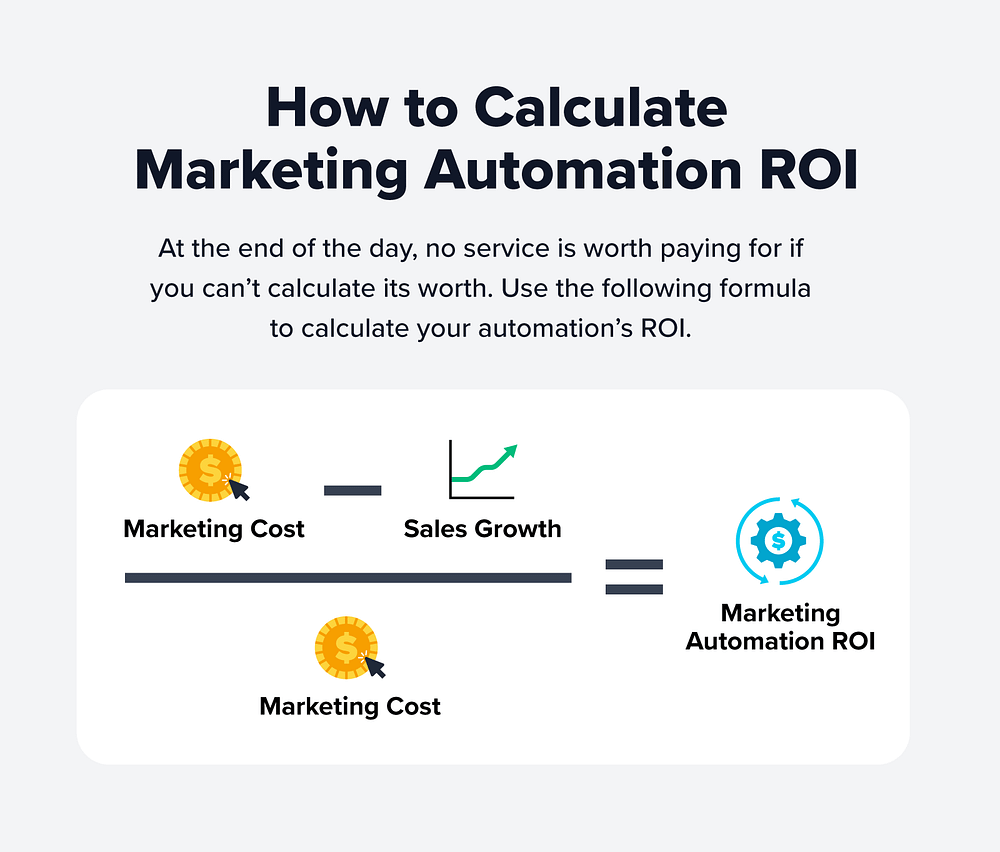
Marketing automation ROI measures the return on investment from automated marketing efforts. It highlights the financial benefits of using marketing automation tools.
Marketing automation streamlines repetitive marketing tasks, boosting efficiency and effectiveness. Businesses can nurture leads, personalize customer experiences, and track campaign performance in real time. These tools help in segmenting audiences, targeting them with relevant content, and optimizing marketing strategies. The result is higher conversion rates and improved customer retention.
By automating tasks, companies save time and reduce costs, leading to a better ROI. Evaluating the ROI of marketing automation involves analyzing metrics like lead generation, conversion rates, and revenue growth. Effective use of marketing automation can transform business outcomes, making it a valuable investment.
Credit: clevertap.com
Introduction To Marketing Automation
Marketing automation is changing how businesses handle their marketing tasks. It’s a game-changer for both small businesses and large enterprises.
What Is Marketing Automation?
Marketing automation uses software to automate repetitive marketing tasks. These tasks include email marketing, social media posting, and ad campaigns. The goal is to save time and improve efficiency.
Automated systems can handle customer segmentation and tracking. They also generate detailed analytics reports. This helps businesses understand what works and what doesn’t. It means they can make better decisions faster.
Importance For Businesses
Marketing automation is crucial for businesses today. It helps companies run more smoothly and efficiently. Here are some key benefits:
- Time-saving: Automates repetitive tasks, freeing up valuable time.
- Personalization: Sends personalized messages to different customer segments.
- Improved accuracy: Reduces human errors in marketing tasks.
- Better analytics: Provides detailed reports for better decision-making.
- Cost-effective: Reduces the need for a large marketing team.
Businesses of all sizes can benefit from marketing automation. Small businesses can compete with larger ones. Large enterprises can streamline their operations. The result is improved ROI and happier customers.
Benefits Of Marketing Automation
Marketing automation has revolutionized how businesses interact with customers. It offers numerous advantages that significantly improve a company’s efficiency and effectiveness. Let’s explore some key benefits of marketing automation.
Increased Efficiency
Marketing automation streamlines repetitive tasks. This saves time and reduces errors. Automated workflows handle email campaigns, social media posts, and lead nurturing. By automating these tasks, your team can focus on strategy and creativity.
Here’s a quick look at tasks improved by automation:
- Email marketing
- Social media scheduling
- Lead scoring and nurturing
- Customer segmentation
Personalized Marketing
Automation tools gather and analyze customer data. This data helps create personalized content. Personalized marketing boosts engagement and conversion rates. Customers receive relevant messages tailored to their interests and behaviors.
Personalization can include:
- Customized email campaigns
- Dynamic website content
- Targeted social media ads
- Behavior-triggered messages
By leveraging personalized marketing, businesses create stronger customer relationships. This leads to higher customer satisfaction and loyalty.
Key Metrics To Measure Roi
Understanding the Return on Investment (ROI) of marketing automation is crucial. It helps businesses determine the value derived from their marketing efforts. To measure this effectively, you need to focus on key metrics. These metrics provide insights into various aspects of your marketing campaigns.
Cost Per Lead
The Cost Per Lead (CPL) is an essential metric. It helps determine the financial efficiency of your marketing campaigns. To calculate CPL, divide the total marketing spend by the number of leads generated.
Total Marketing Spend Number of Leads Cost Per Lead (CPL) $10,000 500 $20
Lowering your CPL means your campaigns are more cost-effective. It indicates better targeting and more efficient marketing efforts. Tracking CPL helps optimize your budget and improve overall ROI.
Customer Lifetime Value
Customer Lifetime Value (CLV) measures the total revenue a customer brings over their lifetime. This metric is crucial for understanding long-term value from each customer.
To calculate CLV, use this formula:
CLV = (Average Purchase Value) x (Number of Purchases per Year) x (Customer Lifespan in Years)For example:
- Average Purchase Value: $100
- Number of Purchases per Year: 5
- Customer Lifespan in Years: 3
CLV = $100 x 5 x 3 = $1,500
A higher CLV indicates a strong customer relationship. It shows effective marketing strategies and customer retention.
Credit: userpilot.com
Implementing Marketing Automation
Implementing marketing automation can boost your return on investment (ROI). It streamlines your processes, saves time, and enhances efficiency. This section will guide you through the steps of implementing marketing automation effectively.
Choosing The Right Tools
Choosing the right tools is crucial for successful marketing automation. You need tools that fit your business needs and goals. Here are some key features to look for:
- Ease of use: The tool should be user-friendly.
- Scalability: It should grow with your business.
- Integration: It must integrate with your existing systems.
- Analytics: The tool should offer robust reporting and analytics.
Popular tools include HubSpot, Marketo, and Mailchimp. Compare their features and pricing before making a decision.
Integrating With Existing Systems
Integration with existing systems ensures seamless operation. It maximizes the benefits of marketing automation. Follow these steps to integrate effectively:
- Assess current systems: Identify what you already use.
- Check compatibility: Ensure the new tool works with your systems.
- Plan the integration: Create a step-by-step plan.
- Test thoroughly: Conduct tests to ensure everything works.
- Train your team: Make sure your team knows how to use the new tool.
Proper integration minimizes disruptions and enhances efficiency. Your team should be comfortable with the new system to get the most out of it.
Optimizing Campaigns For Better Roi
Optimizing Campaigns for Better ROI
Maximizing your marketing automation ROI means making smart decisions. Effective strategies help optimize your campaigns. Two vital techniques are segmentation and A/B testing. These can transform your results and boost your ROI.
Segmentation Strategies
Segmentation means dividing your audience into smaller groups. Each group shares common traits or behaviors. This makes your messages more relevant to each segment.
Start with demographic segmentation. Group people by age, gender, or location. This lets you target specific needs and preferences.
- Age
- Gender
- Location
Next, try behavioral segmentation. Group people based on actions they take. This can include purchase history or website visits.
- Purchase history
- Website visits
Use psychographic segmentation to group by lifestyle or interests. This helps create highly personalized messages.
- Lifestyle
- Interests
A/b Testing
A/B testing compares two versions of a campaign element. This helps find the best-performing option. Test elements like subject lines, images, or call-to-actions.
Start with a clear hypothesis. For example, “Changing the subject line will increase open rates.”
- Create two versions (A and B).
- Send each version to a small part of your audience.
- Measure the results.
- Choose the version with better performance.
Use A/B testing regularly. This helps improve your campaigns over time. Always test one element at a time. This ensures clear results.
Element Version A Version B Subject Line Buy Now! Special Offer Inside Image Product Photo Customer Using Product Call-to-Action Shop Now Get Your Deal
Credit: www.hushly.com
Challenges And Solutions
Marketing automation can greatly boost your ROI. But it’s not without challenges. Addressing these challenges can ensure smooth operations and better results.
Data Management Issues
Data management is a significant challenge in marketing automation. Poor data quality can lead to ineffective campaigns.
To address this, consider the following solutions:
- Implement robust data validation rules.
- Regularly clean and update your database.
- Use data enrichment tools to fill in missing information.
Proper data management ensures accurate targeting and better campaign performance.
Aligning Sales And Marketing
Aligning sales and marketing teams is crucial for success. Misalignment can lead to lost opportunities and wasted resources.
Here are some solutions to align these teams:
- Establish clear communication channels between teams.
- Set shared goals and KPIs.
- Use integrated tools that both teams can access.
- Hold regular meetings to discuss progress and challenges.
Effective alignment leads to more cohesive strategies and improved ROI.
/media/a8de3f65748c8f89c24f0860d4c28191
Case Studies And Success Stories
Marketing automation can transform businesses of all sizes. Case studies and success stories provide concrete proof of its benefits. Below, we explore how marketing automation has delivered impressive returns on investment (ROI) for both small businesses and large enterprises.
Small Business Success
Small businesses often have limited resources. Marketing automation can level the playing field. Here are some success stories:
Company Industry ROI ABC Startups Tech 300% Gourmet Delights Food 250%
ABC Startups saw a 300% ROI by automating email campaigns. They saved time and reached more clients. Gourmet Delights achieved a 250% ROI. They used automated social media posts to boost sales.
Enterprise Solutions
Large enterprises can also benefit from marketing automation. Here are some examples:
- Global Tech: Increased lead generation by 200% with automated workflows.
- Healthcare Innovators: Reduced customer churn by 30% using personalized email automation.
Global Tech used workflows to streamline lead generation. They saw a 200% increase in leads. Healthcare Innovators personalized emails to retain customers. Their churn rate dropped by 30%.
These case studies show the power of marketing automation. Both small and large businesses can achieve significant ROI. Investing in automation can lead to greater efficiency and higher profits.
Future Trends In Marketing Automation
The future of Marketing Automation looks promising. It’s driven by technological advancements and changing consumer behaviors. With the rise of AI, machine learning, and omnichannel marketing, businesses can achieve unprecedented efficiency and engagement.
Ai And Machine Learning
AI and Machine Learning are transforming marketing automation. They enable more personalized customer experiences. AI can analyze vast amounts of data quickly. This helps in identifying patterns and predicting customer behavior. Machine learning algorithms refine marketing strategies over time. They learn from previous campaigns and improve future ones.
Here are some key benefits of AI and Machine Learning in marketing automation:
- Enhanced Personalization: Tailored content for individual users.
- Predictive Analytics: Forecasting customer needs and trends.
- Efficiency: Automating repetitive tasks.
- Improved Decision Making: Data-driven insights for better strategies.
Omnichannel Marketing
Omnichannel Marketing integrates multiple channels to provide a seamless customer experience. It ensures consistent messaging across all touchpoints. This approach increases customer engagement and loyalty. By using marketing automation, businesses can manage all channels efficiently.
Benefits of Omnichannel Marketing include:
- Increased Reach: Engaging customers on their preferred platforms.
- Consistent Messaging: Uniform brand voice across channels.
- Better Customer Insights: Comprehensive data from multiple sources.
- Higher Conversion Rates: Improved customer journey management.
Implementing these future trends can significantly enhance Marketing Automation ROI. Embrace AI, machine learning, and omnichannel marketing to stay ahead.
Frequently Asked Questions
What Is Marketing Automation Roi?
Marketing automation ROI measures the return on investment from automation tools in marketing. It helps businesses understand the effectiveness of their marketing strategies and tools.
How To Calculate Marketing Automation Roi?
Calculate marketing automation ROI by dividing the net profit generated from marketing efforts by the cost of automation tools. Multiply by 100 for a percentage.
Why Is Marketing Automation Roi Important?
Marketing automation ROI is crucial as it helps businesses evaluate the effectiveness of their marketing strategies. It guides budget allocation and decision-making.
What Factors Affect Marketing Automation Roi?
Several factors affect marketing automation ROI, including tool costs, campaign effectiveness, lead conversion rates, and customer retention.
Conclusion
Maximizing marketing automation ROI is crucial for business growth. It streamlines processes and improves customer engagement. Investing in the right tools leads to higher efficiency and better results. Implement these strategies to see a significant boost in your ROI. Stay ahead of competitors and watch your business thrive.