
There are various types of marketing automation, including email marketing, social media automation, and customer relationship management (CRM). These tools streamline marketing efforts and improve efficiency.
Marketing automation uses technology to automate repetitive marketing tasks. It helps businesses target customers more effectively and personalize their marketing strategies. Email marketing automation sends personalized emails to specific segments. Social media automation schedules and manages posts across various platforms.
CRM systems track customer interactions and manage relationships. These tools increase productivity and enhance customer engagement. Effective marketing automation can lead to higher conversion rates and better customer retention. Businesses can focus on strategy and creativity while automation handles routine tasks. This approach can significantly boost marketing ROI and overall business growth.
Introduction To Marketing Automation
Types of Marketing Automation
Marketing automation is a powerful tool for businesses today. It helps streamline marketing tasks and workflows. This makes it easier to manage multiple channels effectively. Automation tools can handle repetitive tasks. This allows marketers to focus on strategy and creativity.
What Is Marketing Automation?
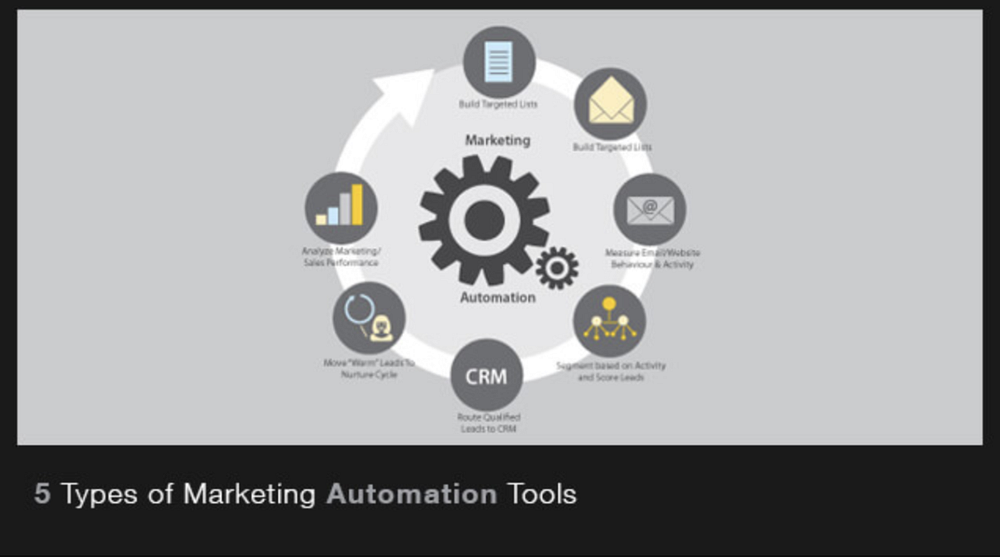
Marketing automation uses software to automate marketing actions. These actions include email campaigns, social media posts, and other website actions. The goal is to engage customers and nurture leads efficiently. Automation tools collect data and analyze it to improve marketing efforts.
Importance In Modern Marketing
Marketing automation is crucial in today’s digital world. It helps businesses save time and resources. Automation tools can target specific customer segments. This increases the effectiveness of marketing campaigns.
Here are some key benefits:
- Improved Efficiency: Automation handles repetitive tasks.
- Better Data Management: Tools collect and analyze data effectively.
- Enhanced Customer Engagement: Personalize messages for different audiences.
- Cost-Effectiveness: Save money by reducing manual labor.
Benefit Description Improved Efficiency Handles repetitive tasks to save time. Better Data Management Collects and analyzes data accurately. Enhanced Customer Engagement Personalizes messages for better interaction. Cost-Effectiveness Reduces the need for manual labor.
Credit: theknowledgegym.com
Email Marketing Automation
Types of Marketing Automation: Email Marketing Automation
Email marketing automation helps you send targeted messages. These messages engage your audience and improve conversions. Below, we will explore two main types of email marketing automation.
Automated Email Campaigns
Automated email campaigns are pre-scheduled emails. They send based on a specific time or action. These campaigns ensure consistent communication with your audience.
- Welcome Emails: Sent to new subscribers.
- Newsletter Emails: Regular updates and news.
- Promotional Emails: Special offers and discounts.
Automated email campaigns save you time. They also increase engagement and brand loyalty.
Behavior-triggered Emails
Behavior-triggered emails react to user actions. They send based on specific behaviors. This type of email improves relevance and timing.
Behavior Trigger Email Cart Abandonment Reminder to complete purchase Product Purchase Thank you email Website Visit Follow-up email with relevant content
Behavior-triggered emails increase open and click rates. They also improve customer satisfaction.
Social Media Automation
Social media automation helps businesses manage their social media presence effortlessly. It saves time and ensures consistent engagement with the audience. Let’s explore two vital aspects of social media automation: Scheduled Posts and Social Listening.
Scheduled Posts
Scheduled posts allow you to plan your social media content in advance. This ensures that your posts go live at the optimal times, even if you’re not online.
- Save time by planning posts ahead.
- Maintain consistency in your posting schedule.
- Reach global audiences by posting at different times.
Using tools like Hootsuite or Buffer, you can create a month’s worth of content in one sitting. This frees up your time for other important tasks.
Tool Features Cost Hootsuite Multiple accounts, Analytics, Auto-scheduling Starts at $19/month Buffer Content planning, Team collaboration, Analytics Starts at $15/month
Social Listening
Social listening involves monitoring social media for mentions of your brand, competitors, and industry keywords. This helps you understand what people say about you.
- Identify trends in customer preferences.
- Respond quickly to customer queries or complaints.
- Gain insights into competitor activities.
Using tools like Brandwatch or Sprout Social, you can track conversations across various platforms. This helps you stay informed and responsive.
Tool Features Cost Brandwatch Sentiment analysis, Trend tracking, Custom alerts Custom pricing Sprout Social Social listening, Analytics, Engagement tools Starts at $99/month
By integrating social listening into your strategy, you can stay ahead of the curve. This ensures that you meet your audience’s needs effectively.
Customer Relationship Management (crm)
Customer Relationship Management (CRM) helps businesses manage interactions with customers. CRM systems use data to improve customer relationships and drive sales. They automate tasks, track customer history, and provide insights. This makes CRM essential for effective marketing automation.
Lead Scoring
Lead scoring ranks leads by their likelihood to convert. It uses data like website behavior and email engagement. Businesses can prioritize high-scoring leads for follow-up. This boosts sales efficiency and improves conversion rates.
Lead Activity Score Opened Email 5 Visited Website 10 Downloaded Whitepaper 20
Personalized Communication
Personalized communication tailors messages to each customer’s needs. CRM systems collect data on customer preferences. This helps create targeted email campaigns and special offers. Personalized communication increases engagement and customer satisfaction.
- Use customer names in emails.
- Send product recommendations based on past purchases.
- Offer exclusive deals for loyal customers.
Effective CRM strategies make customers feel valued. This fosters long-term relationships and repeat business.
Content Marketing Automation
Content Marketing Automation is a game-changer in the digital world. It helps marketers streamline their content strategies. This means less time on repetitive tasks and more time on creativity. Let’s dive into the key aspects of this automation.
Automated Content Distribution
Automated content distribution ensures your content reaches the right audience. This process uses tools that schedule and share content across multiple platforms. Here’s why it’s crucial:
- Consistent posting without manual effort
- Maximized reach and engagement
- Improved audience targeting
For example, tools like Hootsuite and Buffer can schedule posts. These tools help manage multiple social media accounts. They save time and maintain a consistent online presence.
Content Curation Tools
Content curation tools help gather and share relevant content. They source articles, videos, and other media from around the web. This enriches your content strategy and keeps your audience engaged.
Tool Features Feedly Aggregates news from various sources Scoop.it Curates content based on specific topics Pocket Save articles for future reference
Using these tools, you can effortlessly share valuable content. This keeps your audience informed and engaged.
Credit: yellow.ai
Ad Campaign Automation
Ad Campaign Automation helps marketers save time and money. It uses software to manage and automate online ad campaigns. This process ensures ads reach the right audience at the right time.
Ppc Automation
PPC Automation uses tools to manage pay-per-click (PPC) campaigns. These tools automate tasks like bidding, keyword research, and ad creation. Here are some benefits:
- Time-saving: Automates repetitive tasks.
- Efficiency: Optimizes bids for better performance.
- Accuracy: Reduces human error in campaigns.
Some popular PPC automation tools include:
Tool Features Google Ads Auto-bidding, keyword suggestions, ad scheduling AdRoll Retargeting, dynamic ads, cross-channel campaigns WordStream Automated workflows, performance tracking, suggestions
Retargeting Strategies
Retargeting Strategies aim to re-engage users who have shown interest in your product. These strategies use data to display relevant ads to past visitors. Key benefits include:
- Increased conversions: Targets warm leads.
- Brand recall: Keeps your brand top of mind.
- Cost-effective: Lower cost-per-click for retargeted ads.
Effective retargeting strategies involve:
- Segmenting your audience: Group users based on their actions.
- Personalizing ads: Tailor ads to user interests.
- Setting frequency caps: Avoid overloading users with ads.
Tools like Facebook Retargeting and Google Display Network can help execute these strategies effectively.
Analytics And Reporting Automation
Analytics and reporting automation is crucial in modern marketing. It helps businesses track their performance. This automation gathers and analyzes data. It provides insights and helps make informed decisions.
Real-time Data Analysis
With real-time data analysis, you see data as it happens. This allows quick adjustments to marketing strategies. The benefits include:
- Immediate feedback on campaigns
- Quick identification of trends
- Timely troubleshooting of issues
Real-time data helps stay ahead of competitors. It enables rapid response to market changes.
Performance Dashboards
Performance dashboards offer a visual representation of data. They make understanding complex data easy. Dashboards can show:
- Key performance indicators (KPIs)
- Conversion rates
- Customer engagement metrics
These dashboards help in tracking progress. They highlight areas needing improvement.
Metric Description KPIs Measure success of marketing efforts Conversion Rates Track the rate of goal completions Engagement Metrics Analyze customer interactions
Using both real-time analysis and performance dashboards is essential. They streamline marketing efforts and provide actionable insights.
Benefits Of Marketing Automation
Marketing automation offers numerous benefits for businesses. It helps streamline tasks, enhances customer interactions, and boosts efficiency. Below, we’ll explore two key benefits in detail.
Increased Efficiency
Marketing automation tools allow teams to complete tasks quickly. This increased efficiency saves valuable time. Automated campaigns run without manual intervention. Here are some ways marketing automation boosts efficiency:
- Automated Email Campaigns: Send emails based on user actions.
- Lead Nurturing: Automatically move leads through the sales funnel.
- Social Media Scheduling: Plan and publish posts in advance.
These tools reduce the workload for marketing teams. This allows them to focus on strategy and creativity. By automating repetitive tasks, teams can achieve more in less time.
Improved Customer Experience
Marketing automation enhances the customer experience. It ensures timely, personalized interactions. Automated systems can segment customers based on behavior. This allows for targeted messaging. Here are some benefits for customer experience:
- Personalized Content: Tailor messages to individual preferences.
- Timely Responses: Respond to customer actions immediately.
- Consistent Communication: Maintain regular contact with your audience.
Personalized interactions make customers feel valued. Timely responses show that you care about their needs. Consistent communication keeps your brand top of mind.
Marketing automation tools create a seamless experience. This leads to higher customer satisfaction and loyalty.
Choosing The Right Tools
Choosing the right tools for marketing automation is crucial. The correct tools can save time and boost efficiency. They enable your team to focus on strategy rather than mundane tasks. Selecting the best tool requires understanding key features and popular options.
Key Features To Look For
Marketing automation tools come with various features. Here are some key features to look for:
- Email Marketing: Automate email campaigns and track performance.
- Lead Management: Manage and nurture leads efficiently.
- Analytics and Reporting: Measure the success of your campaigns.
- CRM Integration: Sync with your CRM for seamless operations.
- Social Media Automation: Schedule and manage social posts.
Popular Marketing Automation Tools
Here are some popular marketing automation tools to consider:
Tool Key Features HubSpot
- Email marketing
- Lead management
- Analytics and reporting
- CRM integration
Marketo
- Advanced analytics
- Lead nurturing
- Account-based marketing
- Social media tools
ActiveCampaign
- Email automation
- Sales automation
- CRM integration
- Customer messaging
Choosing the right tools can make a big difference. Evaluate features and match them with your needs. Ensure you choose a tool that fits your business size and goals.
Credit: www.corefactors.in
Implementing Marketing Automation
Implementing marketing automation can transform your business. It saves time, personalizes customer interactions, and increases efficiency. Proper implementation ensures smooth operations and maximizes ROI.
Best Practices
Following best practices can make marketing automation effective.
- Define Clear Goals: Set specific, measurable objectives for your campaigns.
- Segment Your Audience: Divide your audience into smaller groups based on behavior, preferences, or demographics.
- Create Personalized Content: Tailor your messages to fit the needs of each segment.
- Test and Optimize: Regularly test different elements of your campaigns. Optimize based on performance data.
- Integrate with CRM: Ensure your marketing automation tool integrates seamlessly with your CRM system.
Common Challenges And Solutions
Implementing marketing automation can present several challenges. Here are common issues and their solutions:
Challenge Solution Complex Setup Start with simple campaigns. Gradually increase complexity as you get comfortable. Data Management Regularly clean and update your database. Use tools to manage data efficiently. Lack of Expertise Invest in training for your team. Use resources provided by the automation tool. Integration Issues Ensure compatibility between your systems. Seek help from technical support if needed. Content Overload Focus on quality over quantity. Provide valuable content to your audience.
/media/1a04432db2784f5514a911daefefe5de
Frequently Asked Questions
What Is Marketing Automation?
Marketing automation uses software to automate repetitive marketing tasks. It helps businesses streamline workflows. This improves efficiency and saves time.
How Does Marketing Automation Work?
Marketing automation uses software to automate marketing tasks. It tracks customer interactions and behavior. It sends personalized messages based on this data.
What Are The Benefits Of Marketing Automation?
Marketing automation improves efficiency by automating repetitive tasks. It personalizes customer experiences. It increases conversion rates and customer retention.
What Types Of Marketing Automation Exist?
Email marketing automation, social media automation, and CRM automation are common types. Each serves different business needs.
Conclusion
Marketing automation offers diverse tools to streamline tasks. It enhances efficiency, improves customer engagement, and boosts revenue. By understanding various types, businesses can tailor strategies to their needs. Embrace marketing automation to stay competitive and achieve sustainable growth. Start exploring these tools today for a smarter marketing approach.