
Marketing automation streamlines repetitive tasks and personalizes customer interactions. It boosts efficiency and enhances customer engagement.
Marketing automation has revolutionized how businesses interact with their audience. By automating repetitive tasks, companies save time and resources, allowing teams to focus on strategic activities. Automation tools personalize customer experiences, leading to higher engagement and satisfaction. Businesses can segment their audience, tailor communications, and track user behavior effectively.
This data-driven approach ensures that marketing efforts are more targeted and impactful. Whether through email campaigns, social media management, or lead nurturing, marketing automation delivers measurable results. It empowers businesses to scale their operations and achieve consistent growth. Embracing marketing automation is essential for staying competitive in today’s fast-paced digital landscape.
Introduction To Marketing Automation
Introduction to Marketing Automation
Marketing automation helps businesses achieve more with less effort. It uses software to automate repetitive tasks. This lets teams focus on strategic work. This section explains marketing automation and its importance.
What Is Marketing Automation?
Marketing automation is the use of software to handle marketing tasks. These tasks include sending emails, posting on social media, and tracking website activity.
- Automatically send welcome emails to new subscribers.
- Schedule social media posts in advance.
- Track customer interactions on your website.
Marketing automation tools make these tasks easier. They save time and improve efficiency.
Importance For Businesses
Marketing automation is crucial for businesses. It allows them to stay competitive in a fast-paced market.
- Time-saving: Automate repetitive tasks to save time.
- Better targeting: Personalize messages based on customer behavior.
- Increased revenue: Improve conversion rates with targeted campaigns.
Businesses can focus on what matters most: growth and customer satisfaction.
Lead Nurturing
Lead nurturing is a crucial part of marketing automation. It helps turn potential customers into loyal clients. By using automated tools, businesses can engage leads effectively. This process involves sending the right message at the right time. Let’s dive into some key components of lead nurturing.
Personalized Email Campaigns
Personalized email campaigns are essential for effective lead nurturing. These campaigns use data to tailor messages for each lead. Personalized emails have higher open and click-through rates. They make the recipient feel valued and understood.
Consider the following benefits of personalized email campaigns:
- Improved Engagement: Tailored content speaks directly to the recipient’s interests.
- Higher Conversion Rates: Personalized emails often lead to more sales.
- Better Customer Relationships: Leads feel appreciated and are more likely to convert.
Here is a simple example of a personalized email:
Subject: Hi [Name], Check Out Our New Products!
  Dear [Name],
  We noticed you recently viewed our electronics section. We have some exciting new products that might interest you. Click here to explore.
  Best regards,
  [Your Company]
Drip Campaigns
Drip campaigns are another powerful tool for lead nurturing. These campaigns send a series of automated emails over time. Each email builds on the previous one, guiding the lead through the sales funnel.
Advantages of drip campaigns include:
- Consistent Communication: Keeps your brand top-of-mind for leads.
- Automated Follow-ups: Ensures no lead is forgotten.
- Customized Journeys: Tailor messages based on lead actions.
Here is a basic structure of a drip campaign:
Day Email Content Day 1 Welcome Email Day 3 Introduction to Products/Services Day 7 Customer Testimonials Day 10 Special Offer
Drip campaigns ensure leads receive timely, relevant information. This keeps them engaged and moves them closer to conversion.
Customer Segmentation
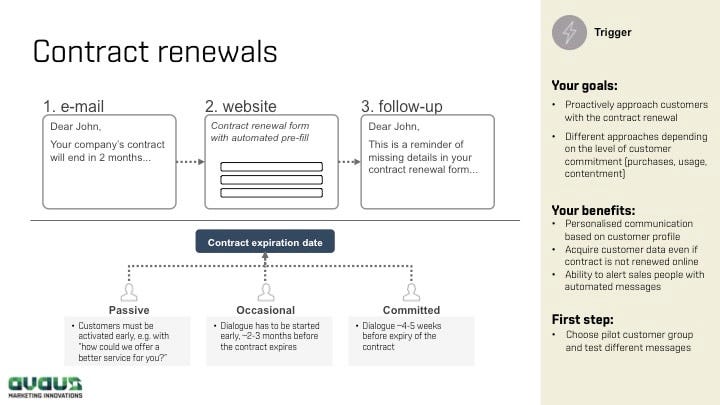
Customer segmentation is essential in marketing automation. It divides your audience into distinct groups. This enables personalized marketing strategies. Here, we explore two important types of segmentation: behavior-based and demographic.
Behavior-based Segmentation
Behavior-based segmentation groups customers based on their actions. This includes purchase history, website interactions, and email engagement.
- Purchase History: Identify frequent buyers and tailor offers to them.
- Website Interactions: Track page visits and time spent to understand interests.
- Email Engagement: Segment based on email opens and link clicks.
Analyzing these behaviors helps create targeted campaigns. These campaigns are more effective and increase conversion rates.
Demographic Segmentation
Demographic segmentation categorizes customers by personal attributes. This includes age, gender, income, and location.
Attribute Example Age: Targeting millennials with social media campaigns. Gender: Creating separate ads for men and women. Income: Offering premium products to high-income groups. Location: Promoting local events to nearby customers.
Using demographics makes your marketing more relevant. This improves engagement and customer satisfaction.
Credit: www.avaus.com
Social Media Management
Marketing automation has revolutionized social media management. Businesses can now streamline tasks, save time, and engage effectively. Let’s explore how automation can enhance social media management.
Automated Posting
Automated posting is a game-changer for social media managers. It allows you to schedule posts in advance. You can maintain a consistent posting schedule. This ensures your audience always sees fresh content. Automated tools can post on multiple platforms simultaneously. This saves time and effort. You can also tailor messages for different platforms. This increases engagement and reach.
Engagement Tracking
Engagement tracking helps you monitor interactions. It shows which posts get the most likes, comments, and shares. This data helps you understand what your audience loves. You can also track mentions and hashtags. This keeps you informed about your brand’s online presence. Automated tools can compile this data into detailed reports. These reports help you refine your strategy. You can focus on content that drives engagement and growth.
Sales Funnel Optimization
Marketing Automation Use Cases: Sales Funnel Optimization
Sales Funnel Optimization is crucial for converting leads into customers. By using marketing automation, businesses streamline processes, saving time and resources. This approach ensures no lead falls through the cracks.
Lead Scoring
Lead scoring helps prioritize leads based on their engagement. This process assigns points to leads according to their actions. For instance, visiting a pricing page scores higher than reading a blog post.
Here is a table to show possible lead actions and their scores:
Lead Action Score Filling out a form 10 Opening an email 5 Visiting the pricing page 20
Automated Follow-ups
Automated follow-ups ensure timely communication with leads. These follow-ups can be emails, SMS, or even social media messages. The system sends messages based on the lead’s activity.
Here are some benefits of automated follow-ups:
- Improved response times
- Consistent messaging
- Reduced manual effort
With marketing automation, businesses optimize their sales funnel. This leads to higher conversion rates and better customer relationships.
Customer Retention
Customer retention is vital for business growth. Keeping existing customers is cheaper than acquiring new ones. Marketing automation can help companies retain customers effectively. It uses data and technology to engage customers continuously.
Loyalty Programs
Loyalty programs are a great way to keep customers coming back. Marketing automation can personalize these programs for each customer. It can track purchases and reward points automatically.
For example, automated emails can notify customers about their points balance. It can also send personalized offers based on their purchase history. This makes customers feel valued and encourages repeat purchases.
Feedback Collection
Collecting feedback is crucial for understanding customer needs. Marketing automation can streamline this process. Automated surveys can be sent after a purchase or interaction.
These surveys can ask for ratings and comments. The feedback can be analyzed to improve products and services. Automated responses can also thank customers for their input, making them feel heard and appreciated.
Here’s how marketing automation can enhance feedback collection:
- Automated surveys via email or SMS
- Instant analysis of feedback data
- Personalized thank-you messages
Analytics And Reporting
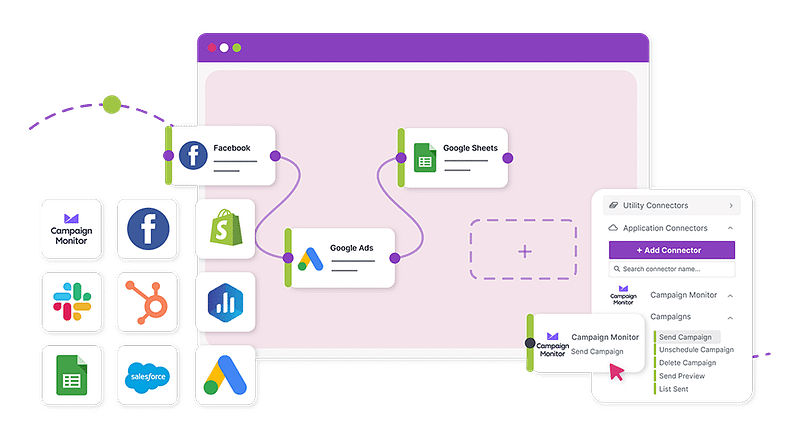
Marketing automation tools are powerful for analytics and reporting. They help track various metrics and generate comprehensive reports. These insights drive data-driven decisions, improving marketing strategies.
Performance Metrics
Tracking performance metrics is crucial for any marketing campaign. Marketing automation platforms offer detailed insights into:
- Email open rates
- Click-through rates
- Conversion rates
- Customer engagement
These metrics help identify what works best. They also highlight areas for improvement.
Roi Analysis
Understanding the Return on Investment (ROI) is vital. Marketing automation tools simplify this process. They provide data on:
Metric Details Cost per lead Shows how much you spend to acquire a lead Customer acquisition cost Indicates the total cost to acquire a customer Lifetime value Measures the total value a customer brings over time
These metrics help evaluate the effectiveness of campaigns. They ensure that resources are used efficiently.
Credit: connectorengine.com
Case Studies
Marketing automation has transformed how businesses operate. By automating repetitive tasks, companies can focus on strategic growth. Case studies show the power of marketing automation in real-world scenarios. They highlight successful implementations and lessons learned.
Successful Implementations
Several companies have used marketing automation to achieve impressive results. Here are some notable examples:
Company Industry Results Company A Retail Increased sales by 25% in 6 months Company B Healthcare Improved lead generation by 40% Company C Technology Reduced marketing costs by 30%
These companies leveraged automation to streamline their marketing efforts. They used targeted email campaigns, social media scheduling, and customer segmentation.
Lessons Learned
From these case studies, several key lessons emerge:
- Start Small: Begin with a few automated tasks and scale up.
- Data Quality: Ensure the accuracy of your data for better results.
- Customization: Tailor your automation to fit your specific needs.
- Monitor Performance: Regularly check metrics to optimize campaigns.
By learning from these examples, businesses can avoid common pitfalls. They can also maximize the benefits of marketing automation.
Future Trends
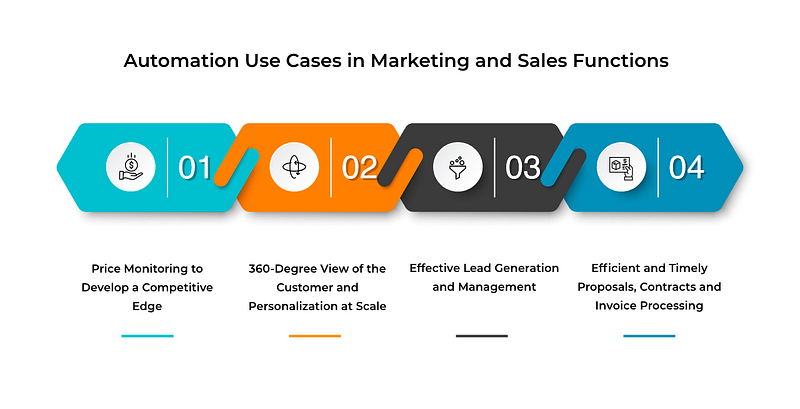
The future of marketing automation holds exciting possibilities. Emerging trends promise to revolutionize how businesses interact with customers. Two key areas to watch are AI Integration and Advanced Personalization.
Ai Integration
Artificial Intelligence (AI) is transforming marketing automation. AI can analyze vast amounts of data quickly. This enables businesses to make smarter decisions.
AI-powered tools can predict customer behavior. They can also optimize marketing campaigns in real-time. This leads to increased efficiency and better results.
Some common AI applications in marketing include:
- Chatbots: Provide instant customer support and improve user experience.
- Predictive Analytics: Forecast future trends and customer needs.
- Content Generation: Create personalized content for different audience segments.
Advanced Personalization
Advanced personalization is another significant trend. Personalization goes beyond using the customer’s name. It involves tailoring content to individual preferences and behaviors.
With advanced tools, businesses can deliver unique experiences to each user. This boosts customer engagement and loyalty.
Here are some techniques for advanced personalization:
- Dynamic Content: Change website content based on user data.
- Segmentation: Group customers by behavior, demographics, or preferences.
- Behavioral Trigger Emails: Send emails based on user actions.
Businesses that adopt these trends can stay ahead of the competition. They can also provide more value to their customers.
Credit: www.trantorinc.com
Frequently Asked Questions
What Is Marketing Automation?
Marketing automation uses software to automate repetitive tasks. It helps streamline marketing efforts and improves efficiency. Common tasks include email campaigns, social media posting, and ad management.
How Does Marketing Automation Help Businesses?
Marketing automation helps businesses by saving time and reducing manual efforts. It allows for personalized customer interactions. Additionally, it enhances lead nurturing and improves conversion rates.
Can Small Businesses Benefit From Marketing Automation?
Yes, small businesses can benefit significantly from marketing automation. It helps manage limited resources efficiently. Automated processes can also enhance customer engagement and improve ROI.
What Are Common Marketing Automation Tools?
Common marketing automation tools include HubSpot, Mailchimp, and Marketo. These tools offer features like email marketing, CRM integration, and analytics. They help streamline marketing tasks effectively.
Conclusion
Marketing automation offers a wealth of opportunities for businesses. It enhances efficiency and improves customer engagement. By leveraging automation tools, companies can streamline processes and drive growth. Stay ahead of the competition by adopting these innovative solutions. Embrace marketing automation to unlock your business’s full potential and achieve remarkable success.