
Retail marketing automation streamlines marketing tasks using software and technology. It enhances efficiency, personalization, and customer engagement.
Retail marketing automation leverages software to automate repetitive marketing tasks. This technology boosts efficiency, allowing retailers to focus on strategic initiatives. Automation tools personalize customer interactions, enhancing user experience and loyalty. Retailers can use data analytics to segment audiences and target them with tailored campaigns.
Automated marketing workflows ensure timely and relevant communication, improving customer retention. Businesses can track performance metrics in real-time, adjusting strategies for optimal results. Retail marketing automation saves time, reduces errors, and drives higher ROI. Integrating these tools is essential for staying competitive in today’s fast-paced retail environment.
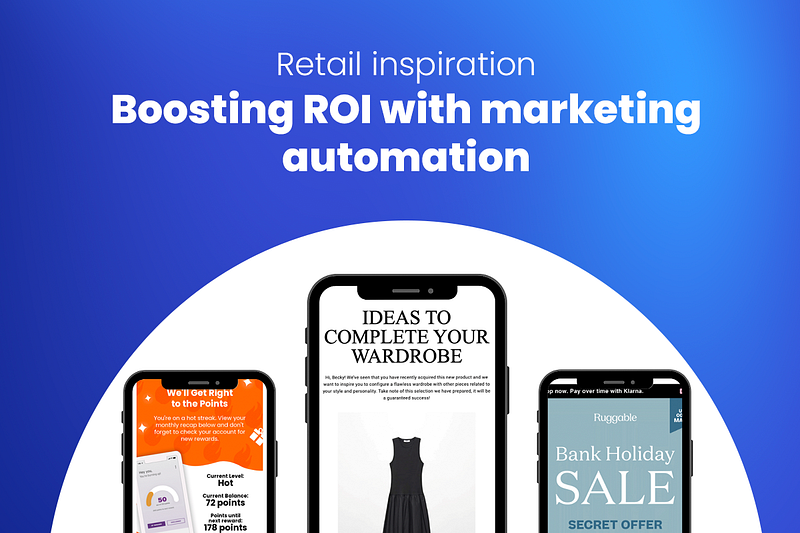
Credit: deployteq.com
Introduction To Retail Marketing Automation
Introduction to Retail Marketing Automation
Retail marketing automation is changing the way stores operate. It uses technology to make marketing tasks easier. This means businesses can focus on what they do best. Let’s explore this topic further.
What Is Marketing Automation?
Marketing automation uses software to handle repetitive marketing tasks. These tasks include sending emails, posting on social media, and tracking customer behavior.
With automation, these tasks run on their own. This saves time and ensures consistency. Retailers can set up campaigns that run automatically. This helps them reach customers without extra effort.
Importance In Retail
Marketing automation is very important for retailers. It helps them stay competitive. Here are some key benefits:
- Improved Efficiency: Automation reduces manual work. This allows staff to focus on more important tasks.
- Better Customer Experience: Automated messages can be personalized. This makes customers feel special and increases loyalty.
- Increased Sales: Targeted campaigns can boost sales. Automation helps send the right message at the right time.
- Data-Driven Decisions: Automation tools provide valuable data. Retailers can use this data to make better business decisions.
Below is a table showing how automation benefits different aspects of retail:
Aspect Benefit Customer Engagement Personalized messages Sales Targeted promotions Efficiency Reduced manual work Data Analysis Better insights
Retail marketing automation is a powerful tool. It can transform your business and improve customer satisfaction.
Key Benefits
Retail Marketing Automation: Key Benefits
Retail marketing automation brings many benefits to your business. It simplifies tasks and boosts your sales. Let’s explore the key benefits in detail.
Increased Sales
With retail marketing automation, your sales can grow quickly. Automated emails remind customers of their abandoned carts. This encourages them to complete their purchases. Personalized recommendations also help boost sales. Customers receive suggestions based on their past behavior. This increases their likelihood to buy.
Automated upselling and cross-selling are also powerful. These strategies introduce customers to more products. This can lead to higher order values. All these factors contribute to increased sales.
Enhanced Efficiency
Retail marketing automation saves time and effort. Routine tasks like email campaigns and social media posts are automated. This means your team can focus on more important tasks. Automation also reduces human error. This ensures your marketing efforts are accurate and effective.
Another benefit is the easy tracking of customer behavior. Automated systems gather and analyze data quickly. This helps in making informed marketing decisions. Efficient resource allocation is another advantage. Your team can work smarter, not harder.
Benefit Description Increased Sales Boosts sales through personalized recommendations and reminders. Enhanced Efficiency Saves time and reduces errors with automated tasks.
/media/1a04432db2784f5514a911daefefe5de
Popular Automation Tools
Retail marketing automation is transforming how businesses operate. Automation tools simplify tasks, save time, and boost efficiency. Here are some popular automation tools for retail marketing.
Email Marketing Software
Email marketing software helps businesses send targeted emails. It can automate newsletters, promotional campaigns, and customer follow-ups.
- Mailchimp: A widely-used tool for creating and sending emails.
- Constant Contact: Great for managing email lists and tracking results.
- SendinBlue: Offers email marketing with SMS capabilities.
- ActiveCampaign: Advanced automation features and CRM integration.
Using email marketing software ensures your messages reach the right audience. This helps increase engagement and sales.
Customer Relationship Management
Customer Relationship Management (CRM) tools help manage customer interactions. These tools store customer data, track sales, and automate follow-ups.
- Salesforce: A leading CRM with robust automation features.
- HubSpot CRM: Free and easy to use, ideal for small businesses.
- Zoho CRM: Offers customization and integration with other tools.
- Pipedrive: Focuses on sales pipeline management and automation.
CRM tools provide valuable insights into customer behavior. This helps businesses tailor their marketing strategies effectively.
Tool Primary Feature Best For Mailchimp Email Campaigns Small to Medium Businesses Salesforce CRM Automation Large Enterprises
Choose the right tool to meet your specific needs. This makes your marketing efforts more effective and efficient.
Implementing Automation In Retail
Retail marketing automation is transforming the retail industry. Automation helps retailers save time and improve efficiency. It also enhances the customer experience. Implementing automation can seem daunting. But breaking it down into steps makes it easier.
Getting Started
To start, identify the key areas where automation can help. Look at your sales, marketing, and customer service processes. Write down the repetitive tasks in these areas. These are the tasks to automate first.
Next, set clear goals for automation. What do you want to achieve? Better customer engagement? Increased sales? Reduced workload? Clear goals will guide your automation journey.
Choose the right tools for your needs. Many tools offer free trials. Test a few to see which fits best. Ensure the tool is user-friendly. Your team should find it easy to use.
Integration With Existing Systems
Integration is crucial for successful automation. Your new tools must work with your existing systems. This includes your CRM, email marketing, and POS systems. Seamless integration ensures data flows smoothly.
Consult with your IT team for integration. They can help identify potential issues. They can also ensure the new tools do not disrupt current operations.
Consider using APIs for integration. APIs allow different systems to communicate. They make it easier to connect new tools with existing systems.
System Integration Method Benefits CRM API Improved data accuracy Email Marketing API Better customer segmentation POS Direct Integration Real-time inventory updates
Regularly review your integrated systems. Ensure they are working well together. Address any issues promptly. This keeps your automation running smoothly.
Personalization Strategies
Retail marketing automation has transformed customer engagement. Personalization strategies play a vital role in this transformation. These strategies help businesses tailor their marketing efforts to individual customers. This increases customer satisfaction and boosts sales.
Customer Segmentation
Customer segmentation divides a customer base into groups. These groups share similar characteristics. This allows for more targeted marketing efforts. Effective segmentation can include:
- Demographic information (age, gender, income)
- Geographic location
- Behavioral data (purchase history, website activity)
Using these segments, businesses can create personalized marketing campaigns. This ensures messages resonate with each customer group.
Tailored Marketing Messages
Tailored marketing messages address the specific needs of each customer segment. Personalized emails are an excellent example. These emails can include:
- Customer’s first name
- Product recommendations based on past purchases
- Special offers and discounts
Personalized messages can be delivered through various channels. These channels include email, social media, and SMS. Consistency across these channels enhances the customer experience.
Channel Personalization Example Email Product recommendations Social Media Targeted ads SMS Exclusive offers
Implementing these personalization strategies can significantly impact customer loyalty. It fosters a sense of connection between the customer and the brand. This leads to long-term business success.
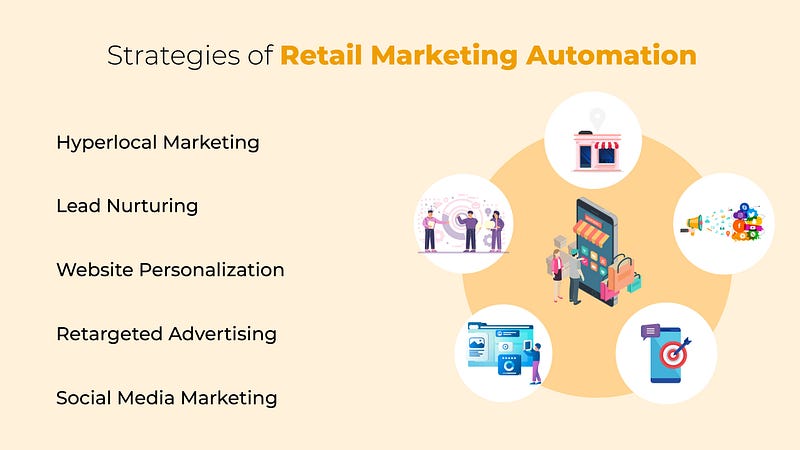
Credit: sekel.tech
Case Studies
Examining real-world case studies can provide valuable insights into retail marketing automation. These examples highlight the successes and challenges retailers face. Understanding their journey helps in replicating success and avoiding pitfalls.
Successful Retailers
Several retailers have seen remarkable results with marketing automation. Here are a few success stories:
Retailer Strategy Outcome Retailer A Personalized Email Campaigns 20% Increase in Sales Retailer B Automated Social Media Ads 30% Boost in Engagement Retailer C Customer Journey Mapping 15% Reduction in Cart Abandonment
Lessons Learned
From these case studies, we can extract several key lessons:
- Personalization is crucial. Tailored messages resonate more with customers.
- Consistency across channels enhances customer experience.
- Data-driven decisions lead to better results.
- Automation saves time and reduces human error.
- Regularly analyze and adjust strategies for continued success.
These lessons can guide other retailers in implementing effective marketing automation strategies.
Challenges And Solutions
Retail marketing automation can revolutionize your business. Yet, it comes with unique challenges. Understanding these challenges and their solutions is crucial for success.
Common Obstacles
Retail marketing automation faces several common obstacles. Addressing these issues is essential for seamless integration.
- Data Integration: Combining data from multiple sources can be complex.
- Personalization: Creating personalized experiences for each customer is challenging.
- Scalability: Scaling campaigns without losing quality is tough.
- Technical Skills: Lack of expertise can hinder automation efforts.
Effective Solutions
Implementing effective solutions can overcome these obstacles. Here are some proven strategies.
- Unified Data Platforms: Use platforms that integrate all data sources seamlessly.
- AI and Machine Learning: Leverage AI to personalize customer experiences.
- Modular Campaigns: Create modular campaigns to scale efficiently.
- Training and Support: Invest in training your team to enhance technical skills.
Challenge Solution Data Integration Unified Data Platforms Personalization AI and Machine Learning Scalability Modular Campaigns Technical Skills Training and Support
Addressing these challenges with effective solutions ensures successful retail marketing automation.
Future Trends
The future of Retail Marketing Automation holds exciting possibilities. With rapid technological advancements, retailers can look forward to more efficient and personalized marketing strategies. Let’s explore some future trends in retail marketing automation.
Ai In Retail Automation
Artificial Intelligence (AI) is revolutionizing retail marketing. AI algorithms analyze customer data to predict buying behavior. This helps retailers create personalized shopping experiences.
AI-powered chatbots enhance customer service by providing instant responses. These chatbots can handle multiple queries at once, ensuring customer satisfaction.
AI also optimizes inventory management. Predictive analytics forecast demand, reducing overstock and stockouts. This ensures products are always available for customers.
Omni-channel Marketing
Omni-channel marketing integrates multiple channels to provide a seamless shopping experience. Customers can switch between online and offline channels without disruption.
Retailers use data from various sources to understand customer preferences. This helps in creating consistent and personalized marketing messages across all channels.
For instance, a customer browses products online and receives a personalized discount code. They can use this code in-store or online, enhancing their shopping experience.
Here are some key points to consider:
- Customer Data Integration: Collect data from all channels.
- Personalized Marketing: Tailor messages based on customer preferences.
- Consistent Experience: Ensure a seamless experience across channels.
Retailers must embrace these trends to stay competitive in the market. The future of retail marketing automation is bright and full of opportunities.
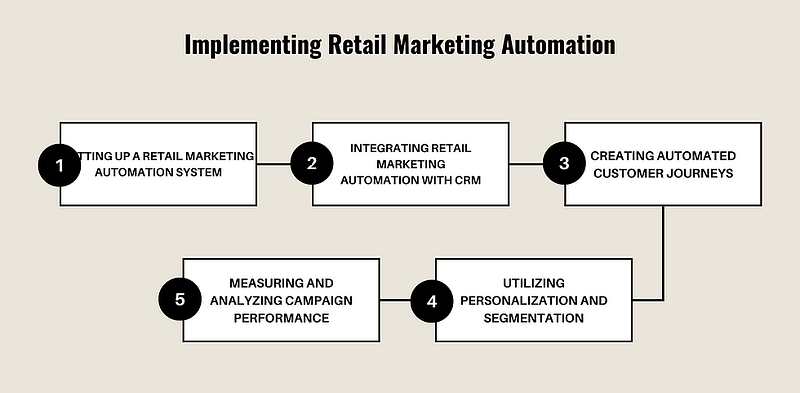
Credit: www.bspk.com
Frequently Asked Questions
What Is Retail Marketing Automation?
Retail marketing automation uses software to streamline marketing tasks. It enhances customer engagement and sales efficiency.
How Does Automation Benefit Retail Marketing?
Automation boosts efficiency, saves time, and personalizes customer interactions. It also improves data analysis and campaign management.
Can Automation Improve Customer Experience?
Yes, automation personalizes customer interactions and provides timely responses. This enhances overall customer satisfaction and loyalty.
What Tools Are Used In Retail Marketing Automation?
Tools include CRM systems, email marketing software, and social media management platforms. They help automate and optimize marketing efforts.
Conclusion
Retail marketing automation is revolutionizing the way businesses operate. It enhances efficiency, saves time, and boosts sales. Implementing automated tools can streamline tasks and improve customer experiences. Embrace this technology to stay ahead of the competition. Start leveraging retail marketing automation today for a more profitable and efficient future.