
The Marketing Automation Market is rapidly growing, driven by increasing demand for efficiency in marketing operations. Businesses are leveraging automation tools to streamline processes and enhance customer engagement.
Marketing automation involves using software to automate repetitive marketing tasks. It helps businesses target customers more effectively and personalize their marketing efforts. The market is expanding due to the rising adoption of digital marketing and the need for advanced customer relationship management.
Companies benefit from improved lead generation, nurturing, and conversion rates. Small and large enterprises alike are investing in marketing automation to stay competitive. The use of artificial intelligence and machine learning is also enhancing the capabilities of these tools, making them more powerful and user-friendly.

Credit: www.spiralytics.com
Introduction To Marketing Automation
Marketing automation is a growing field that helps businesses streamline their marketing efforts. It uses technology to automate repetitive tasks and manage complex campaigns. Understanding marketing automation can give your business a competitive edge.
What Is Marketing Automation?
Marketing automation refers to software platforms designed to automate marketing tasks, including email marketing, social media posting, and ad campaigns. The goal is to make these processes more efficient and provide customers a personalized experience.
Marketing automation tools gather data and insights about customer behavior. This data helps create targeted marketing strategies, which, when used effectively, can lead to better customer engagement and higher sales.
Importance In Modern Business
Marketing automation is crucial for modern businesses aiming to stay competitive. It allows companies to manage large-scale marketing campaigns with ease. Businesses can reach more customers without increasing their workload.
Automated systems also help in tracking and analyzing customer interactions. This provides valuable insights into what works and what doesn’t. Businesses can then adjust their strategies to achieve better results.
Here are some key benefits of marketing automation:
- Efficiency: Automates repetitive tasks, saving time and effort.
- Personalization: Tailors marketing messages to individual customer preferences.
- Data Insights: Provides analytics to improve marketing strategies.
- Scalability: Manages large campaigns without extra resources.
In short, marketing automation is not just a trend. It is a necessity for businesses that want to grow and succeed.
Credit: www.emergenresearch.com
Current Market Landscape
The Marketing Automation Market is rapidly evolving. Businesses seek efficient ways to streamline marketing tasks. This evolution is driven by technology advancements. Understanding the current market landscape is crucial. Let’s explore the key players, market size, and growth.
Key Players
Several companies dominate the marketing automation space. These key players offer diverse solutions to meet different business needs.
- HubSpot: A leader in inbound marketing.
- Marketo: Known for robust automation features.
- Salesforce Pardot: Integrates well with CRM systems.
- ActiveCampaign: Offers email marketing and automation.
- Mailchimp: Popular for its user-friendly interface.
Market Size And Growth
The marketing automation market is expanding quickly. Here are some key stats:
Year Market Value (in billion USD) 2020 3.6 2021 4.2 2022 5.1 2023 6.3
Experts predict continuous growth. They anticipate the market to reach 10.9 billion USD by 2027. Factors contributing to this growth include:
- Increased adoption of digital marketing.
- Rising need for personalized customer experiences.
- Advancements in AI and machine learning.
Businesses investing in marketing automation enjoy higher ROI. They streamline their marketing efforts. This results in better customer engagement and satisfaction.
Emerging Technologies
The marketing automation market is evolving rapidly. Emerging technologies are driving this change. These innovations are making marketing more efficient and effective. Below, we explore some of the key emerging technologies.
Ai And Machine Learning
Artificial Intelligence (AI) and Machine Learning (ML) are transforming marketing automation. These technologies analyze vast amounts of data quickly. They provide insights that were not possible before.
- Predictive Analytics: AI predicts customer behavior. This helps marketers target their audience better.
- Chatbots: ML-powered chatbots engage customers 24/7. They provide instant responses to queries.
- Content Creation: AI tools generate personalized content. This keeps the audience engaged.
These tools save time and increase efficiency. Marketers can focus on strategy and creativity.
Personalization Engines
Personalization engines are changing how businesses interact with customers. These engines use data to create unique experiences.
- Customer Segmentation: Personalization engines group customers based on behavior. This helps in sending targeted messages.
- Dynamic Content: Content changes based on user preferences. This keeps the content relevant.
- Behavioral Triggers: Actions trigger specific responses. This increases engagement.
Personalization engines make customers feel valued. This leads to higher satisfaction and loyalty.
Technology Benefit AI and ML Predictive analytics, chatbots, content creation Personalization Engines Customer segmentation, dynamic content, behavioral triggers
Trends In Customer Engagement
Customer engagement is evolving rapidly. Businesses are focusing on improving customer experiences. Two significant trends are Omnichannel Marketing and Behavioral Targeting. These strategies help in creating personalized interactions.
Omnichannel Marketing
Omnichannel marketing uses multiple channels to reach customers. This includes email, social media, and in-store interactions. The goal is to create a seamless experience. Customers can switch between channels without disruption.
Channel Example Email Personalized newsletters Social Media Targeted ads In-Store Exclusive offers
Omnichannel marketing aligns all platforms. This creates a unified brand message. Businesses can track customer interactions across channels. This helps in understanding customer preferences better.
Behavioral Targeting
Behavioral targeting focuses on customer behavior. It uses data to understand what customers do online. This includes visited websites and clicked links. The goal is to serve personalized content.
- Browsing History: Tailoring content based on visited pages.
- Purchase Patterns: Offering related products.
- Interaction Data: Analyzing email and social media interactions.
Behavioral targeting helps in delivering relevant ads. This increases the chances of conversion. Customers receive information that interests them. This leads to better engagement and loyalty.
/media/1a04432db2784f5514a911daefefe5de
Role Of Data Analytics
Data analytics plays a crucial role in the marketing automation market. It helps businesses make sense of vast amounts of information. This leads to smarter decisions and improved marketing strategies. By leveraging data, companies can better understand customer behavior and preferences.
Data-driven Decision Making
Data-driven decision making is essential in modern marketing. It allows companies to base their strategies on real numbers. This minimizes guesswork and maximizes efficiency.
Here are some benefits of data-driven decision making:
- Improved accuracy in targeting
- Enhanced customer segmentation
- Better ROI on marketing campaigns
Companies can use various tools to collect and analyze data. Google Analytics and CRM systems are popular choices. These tools help businesses track key metrics and make informed decisions.
Predictive Analytics
Predictive analytics uses historical data to forecast future trends. It helps companies anticipate customer needs and behaviors. This enables proactive marketing strategies.
Key applications of predictive analytics in marketing:
- Customer lifetime value prediction
- Churn rate estimation
- Sales forecasting
With predictive analytics, businesses can create personalized marketing campaigns. This enhances customer engagement and loyalty. Predictive analytics also helps in optimizing resource allocation. This leads to more efficient marketing operations.
Benefits Applications Improved targeting Customer segmentation Increased ROI Sales forecasting Better resource allocation Churn rate estimation
By using predictive analytics, businesses can stay ahead in the competitive market. It helps in making data-driven decisions that lead to better outcomes.
Challenges And Solutions
The Marketing Automation Market faces many challenges. These challenges need effective solutions to overcome them. This section highlights the key challenges and offers practical solutions.
Data Privacy Concerns
Many businesses worry about data privacy. They need to ensure customer data is safe. Privacy laws like GDPR add pressure. Companies must comply to avoid fines.
- Solution: Invest in secure systems.
- Solution: Educate your team on data protection.
- Solution: Regularly audit your data practices.
Use encryption to protect data. Always seek customer consent before collecting data.
Integration With Existing Systems
Integrating new systems with old ones can be tough. Many businesses have legacy systems. These old systems may not be compatible with new tools.
- Solution: Choose software with flexible APIs.
- Solution: Work with experienced IT professionals.
- Solution: Conduct thorough testing before full integration.
Build a dedicated integration team. This team should focus on smooth transitions.
Challenge Solution Data Privacy Invest in secure systems, educate team, regular audits System Integration Flexible APIs, experienced IT professionals, thorough testing
Addressing these challenges can help businesses thrive in the Marketing Automation Market. Proper solutions ensure smoother operations and better results.
Future Opportunities
The Marketing Automation Market offers immense future opportunities. As technology evolves, new possibilities emerge for businesses. This section explores these opportunities in depth.
Expansion Into New Industries
Marketing automation is not just for tech companies. Many industries can benefit from it. For example:
- Healthcare: Automation can streamline patient communication.
- Education: Schools can use it for student engagement.
- Retail: Stores can automate their marketing campaigns.
New industries will adopt these tools. This will lead to more growth in the market.
Innovative Use Cases
Marketing automation is evolving. New use cases are emerging. Here are some examples:
- Personalized Content: Automation can create content tailored to users.
- AI Integration: AI can enhance automation tools.
- Chatbots: Bots can handle customer service efficiently.
These innovations make marketing more effective. They also provide better customer experiences.
The future holds many opportunities for the marketing automation market. Businesses should stay updated to leverage these advancements.
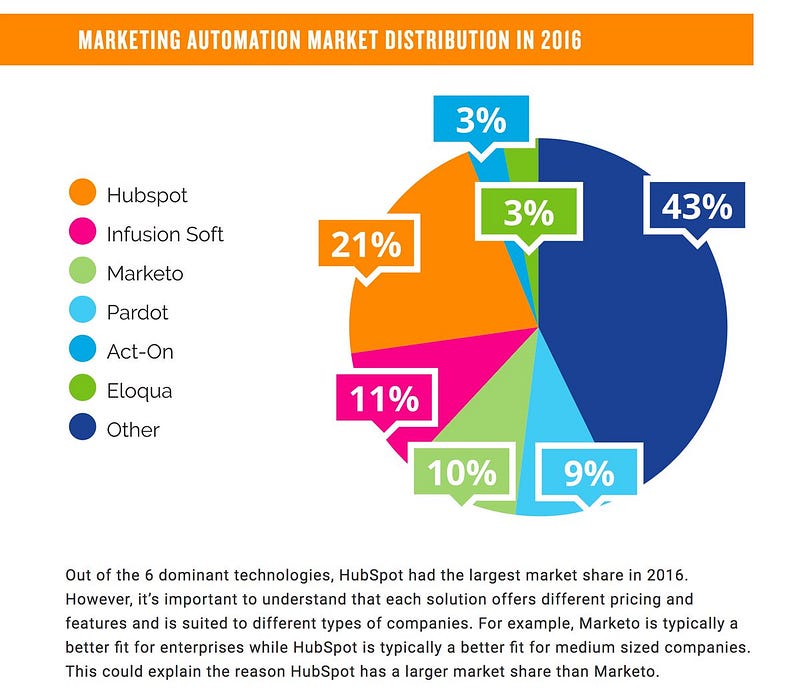
Credit: twitter.com
Frequently Asked Questions
What Is Marketing Automation?
Marketing automation uses software to automate repetitive marketing tasks. It helps in streamlining workflows and improving efficiency.
Why Is Marketing Automation Important?
Marketing automation saves time and resources. It enhances customer engagement by delivering personalized content.
Who Benefits From Marketing Automation?
Businesses of all sizes benefit from marketing automation. It enhances efficiency and improves customer targeting.
How Does Marketing Automation Work?
Marketing automation works by using software to manage marketing processes. It automates tasks like email marketing, social media posting, and lead nurturing.
Conclusion
The marketing automation market is growing rapidly. Businesses are increasingly adopting these tools for efficiency. Staying updated with trends is crucial. Embrace automation to streamline processes and enhance customer engagement. The future of marketing lies in harnessing the power of automation technology.
Don’t miss out on this transformative opportunity.