
Marketing funnel automation streamlines the customer journey from awareness to purchase, enhancing efficiency and boosting conversions. It utilizes technology to automate repetitive tasks, ensuring consistent engagement.
Marketing funnel automation plays a crucial role in modern digital marketing strategies. By automating various stages of the funnel, businesses can effectively nurture leads, reduce manual workload, and ensure timely follow-ups. This automation helps in delivering personalized content to prospects at each stage, increasing the likelihood of conversion.
It also provides valuable insights into customer behavior, enabling marketers to make data-driven decisions. Implementing an automated marketing funnel not only saves time but also optimizes resources, leading to improved ROI. Embracing this technology can give businesses a competitive edge by maintaining consistent communication and fostering stronger customer relationships.
Introduction To Marketing Funnel Automation
Marketing Funnel Automation is a powerful tool for businesses today. It helps to streamline and optimize the customer journey. This process can save time and increase sales. Understanding its benefits can transform your marketing strategy.
What Is Marketing Funnel Automation?
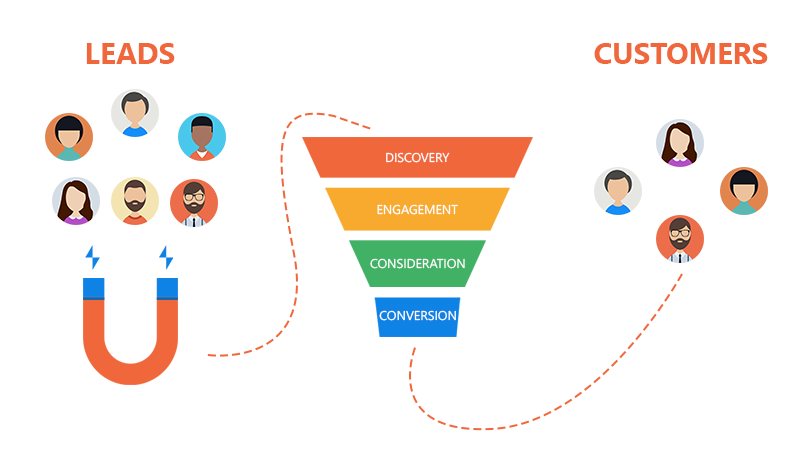
Marketing Funnel Automation uses technology to guide customers through the sales funnel. It automates tasks like email marketing, social media posts, and ad campaigns. This ensures a consistent and personalized experience for each customer. Automation tools can track customer behavior and adjust strategies in real-time.
Stage Description Awareness Customers learn about your brand. Interest Customers show interest in your products. Decision Customers consider making a purchase. Action Customers complete the purchase.
Importance For Modern Businesses
Marketing Funnel Automation is crucial for modern businesses. It helps in reducing manual work and improving efficiency. Automated funnels can handle multiple customers at once. This leads to better customer service and increased revenue.
- Time-saving: Automation reduces manual tasks.
- Consistency: Provides a consistent customer experience.
- Personalization: Delivers personalized content to users.
Businesses that use Marketing Funnel Automation often see higher conversion rates. It helps them understand customer behavior better. This leads to more effective marketing strategies. In today’s fast-paced world, automation is not just an option, it’s a necessity.
Credit: pushalert.co
Key Components Of An Automated Marketing Funnel
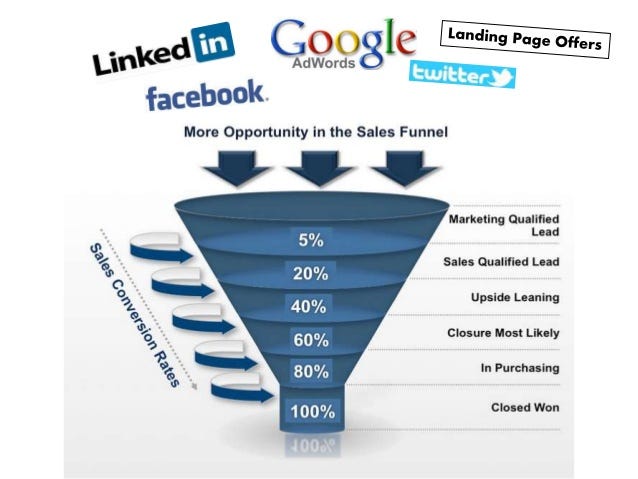
An automated marketing funnel is essential for efficient, scalable business growth. It helps streamline lead generation, nurturing, and conversion. Let’s explore the key components of an automated marketing funnel.
Lead Generation
Lead generation is the first step in your marketing funnel. It involves attracting potential customers to your brand.
- Landing Pages: Create engaging landing pages to capture user information.
- Forms: Use forms to collect contact details.
- Call-to-Actions (CTAs): Persuasive CTAs encourage users to take action.
Lead Nurturing
Lead nurturing keeps potential customers engaged with your brand. It involves consistent, targeted communication.
- Email Campaigns: Send personalized emails to educate and engage leads.
- Content Marketing: Provide valuable content that addresses their needs.
- Social Media Engagement: Interact with leads on social platforms.
Conversion Strategies
Conversion strategies turn engaged leads into paying customers. Implement tactics to persuade them to make a purchase.
- Special Offers: Provide discounts or exclusive deals.
- Testimonials: Showcase customer reviews to build trust.
- Free Trials: Offer a trial period for your product or service.
An automated marketing funnel can significantly enhance your marketing efforts. Implement these key components for better results.
Tools And Technologies
Marketing Funnel Automation is crucial for modern businesses. The right tools and technologies streamline the process. They help in managing customer journeys and ensuring efficient lead nurturing. Below, we explore popular automation platforms and their integration with CRM systems.
Popular Automation Platforms
There are many marketing automation platforms available. They offer varied features and benefits. Here are a few popular ones:
- HubSpot: A robust tool with CRM integration and lead scoring capabilities.
- Marketo: Known for advanced analytics and customer segmentation.
- Mailchimp: Great for email marketing and small businesses.
- ActiveCampaign: Combines email marketing with sales automation.
- Pardot: Ideal for B2B marketing with Salesforce integration.
Platform Best For Key Features HubSpot All-in-one solution CRM, lead scoring, analytics Marketo Advanced analytics Customer segmentation, reporting Mailchimp Email marketing Templates, automation, audience insights ActiveCampaign Small to medium businesses Sales automation, email marketing Pardot B2B marketing Salesforce integration, lead nurturing
Integration With Crm
Integrating marketing automation platforms with CRM is essential. It ensures seamless data flow and improved customer insights. Here are key benefits:
- Unified Data: All customer data in one place.
- Enhanced Targeting: Better segmentation and personalized marketing.
- Efficient Lead Management: Track and nurture leads effectively.
- Improved Analytics: Comprehensive reports for better decision-making.
Most automation platforms offer easy CRM integration. For example, HubSpot’s CRM integrates naturally with its marketing tools. Marketo and Salesforce work seamlessly together. This integration is vital for a cohesive marketing strategy.
Creating A Seamless Customer Journey
A seamless customer journey helps in building trust and loyalty. It ensures that every interaction with your brand is smooth and engaging. With marketing funnel automation, you can create a seamless experience for your customers. This involves personalized content and automated follow-ups to keep them engaged.
Personalized Content
Personalized content makes your customers feel valued. It speaks directly to their needs and interests. Use customer data to create tailored messages. This can include:
- Product recommendations
- Special offers
- Relevant articles
Personalization increases engagement and conversion rates. It keeps your audience interested and coming back for more. Consider using dynamic content in your emails and website. This changes based on the user’s behavior and preferences.
Automated Follow-ups
Automated follow-ups are crucial for maintaining customer relationships. They ensure timely communication and help in nurturing leads. Set up automated emails for different stages of the customer journey. Examples include:
- Welcome emails
- Abandoned cart reminders
- Post-purchase follow-ups
These automated messages keep your customers informed and engaged. They help in converting leads into loyal customers. Use CRM tools to manage and automate these follow-ups. This saves time and ensures consistency in your communication.
Stage Automated Follow-Up Awareness Welcome emails Consideration Educational content Decision Special offers Retention Post-purchase follow-ups
Measuring Success
Understanding the success of your marketing funnel automation is crucial. Measuring success helps you see what’s working and what needs improvement. Let’s dive into the key metrics and data analysis for better performance.
Key Metrics To Track
Tracking the right metrics is vital. Here are some key metrics to monitor:
- Conversion Rate: This shows the percentage of leads that turn into customers.
- Click-Through Rate (CTR): This measures how many people click your calls-to-action.
- Cost Per Acquisition (CPA): This tells you how much you spend to acquire a customer.
- Customer Lifetime Value (CLV): This estimates the total revenue from a customer over their lifetime.
- Return on Investment (ROI): This shows the profitability of your marketing efforts.
Analyzing Data For Improvements
Data analysis helps you spot trends and areas for improvement. Follow these steps:
- Collect Data: Use tools like Google Analytics and CRM software.
- Segment Data: Break data into segments like age, location, and behavior.
- Identify Patterns: Look for trends in the data. Are there specific times when conversions spike?
- Test Hypotheses: Create and test new strategies based on your findings.
- Implement Changes: Make data-driven changes to your funnel and monitor the results.
Use the metrics and data analysis to refine your funnel. This will enhance your marketing automation success.

Credit: vipecloud.com
Common Pitfalls And How To Avoid Them
Common Pitfalls and How to Avoid Them in Marketing Funnel Automation
Marketing funnel automation can boost efficiency and enhance customer experience. Yet, many businesses face common pitfalls that hamper success. Let’s explore these pitfalls and learn how to avoid them.
Over-automation
Over-automation can make your marketing efforts feel cold and impersonal. While automation saves time, too much can alienate your audience. Balance is key. Use automation to handle repetitive tasks but maintain human touch for interactions.
How to avoid:
- Use automation for routine tasks like email follow-ups.
- Personalize messages to keep the human touch.
- Monitor results and adjust strategies as needed.
Ignoring Customer Feedback
Ignoring customer feedback can lead to missed opportunities and unhappy customers. Feedback provides valuable insights into customer needs and preferences. Integrating feedback helps improve your marketing funnel.
How to avoid:
- Regularly collect customer feedback through surveys and reviews.
- Analyze feedback to identify common themes and issues.
- Implement changes based on feedback to improve customer experience.
Case Studies And Success Stories
Marketing Funnel Automation has transformed many businesses. Real-world examples and success stories reveal its immense potential. Let’s explore how companies have thrived using this approach.
Real-world Examples
Many companies have adopted Marketing Funnel Automation with great success. Here are a few notable examples:
Company Industry Results XYZ Tech Software 30% increase in lead conversions HealthPlus Healthcare 20% growth in customer retention GreenFoods Food & Beverage 25% boost in online sales
Lessons Learned
Each success story offers valuable lessons. Here are key takeaways from these real-world examples:
- Personalization is key. Tailor messages to individual customer needs.
- Data-driven decisions. Use analytics to refine strategies.
- Automation saves time. Focus on strategic tasks, not repetitive ones.
- Follow-up is crucial. Engage leads consistently to maintain interest.
- Measure and optimize. Continuously improve based on performance data.
Implementing these lessons can help achieve similar success. Marketing Funnel Automation is a powerful tool for growth.
Credit: www.risefuel.com
Future Trends In Marketing Automation
Future Trends in Marketing Automation
The marketing landscape is changing fast. Marketing automation tools are evolving. Businesses need to stay ahead. Understanding future trends can help. Let’s explore some key trends in marketing automation.
Ai And Machine Learning
Artificial Intelligence (AI) and Machine Learning (ML) are revolutionizing marketing automation. These technologies improve customer interactions. AI can analyze large datasets quickly. It can identify patterns in customer behavior. ML helps in predicting future actions. These insights help create personalized campaigns.
AI can automate repetitive tasks. It can manage email marketing, social media posts, and more. This frees up time for creative work. AI chatbots offer instant customer support. They enhance user experience and increase engagement.
Predictive Analytics
Predictive analytics is another game-changer. It uses data, statistical algorithms, and ML to identify future outcomes. Predictive analytics helps in understanding customer needs. It can forecast trends and customer behavior.
This technology can improve lead scoring. It identifies which leads are most likely to convert. This helps in prioritizing efforts. Predictive analytics can also optimize marketing strategies. It provides data-driven insights for decision-making.
Trend Benefit AI and Machine Learning Improves customer interactions, automates tasks Predictive Analytics Forecasts trends, improves lead scoring
These trends are shaping the future of marketing automation. Embracing these technologies can give businesses a competitive edge.
/media/3de62826de5a5d7bf55ab97a3c85d52c
Frequently Asked Questions
What Is Marketing Funnel Automation?
Marketing funnel automation uses technology to streamline and manage marketing processes. It helps in nurturing leads, converting them into customers, and retaining them. Automation tools handle repetitive tasks, saving time and improving efficiency.
How Does Marketing Funnel Automation Work?
Marketing funnel automation works by using software to automate marketing tasks. It includes email campaigns, lead nurturing, and customer segmentation. These tools track user behavior and deliver personalized content, enhancing engagement and conversion rates.
Why Is Marketing Funnel Automation Important?
Marketing funnel automation is important because it saves time and boosts efficiency. It ensures consistent communication with leads and customers. Automation also helps in tracking performance and optimizing marketing strategies for better results.
What Are The Benefits Of Marketing Funnel Automation?
The benefits of marketing funnel automation include increased efficiency, better lead management, and higher conversion rates. It also provides valuable insights into customer behavior. Automation enhances personalization and improves overall marketing ROI.
Conclusion
Automating your marketing funnel can transform your business. It saves time, boosts efficiency, and enhances customer engagement. Implementing these strategies ensures consistent growth and improved ROI. Stay ahead by integrating automation into your marketing efforts. Your business will benefit from streamlined processes and better results.