
Marketing automation encompasses a broader range of tools and strategies, while email marketing focuses solely on email campaigns. Both are essential but serve different purposes in a marketing strategy.
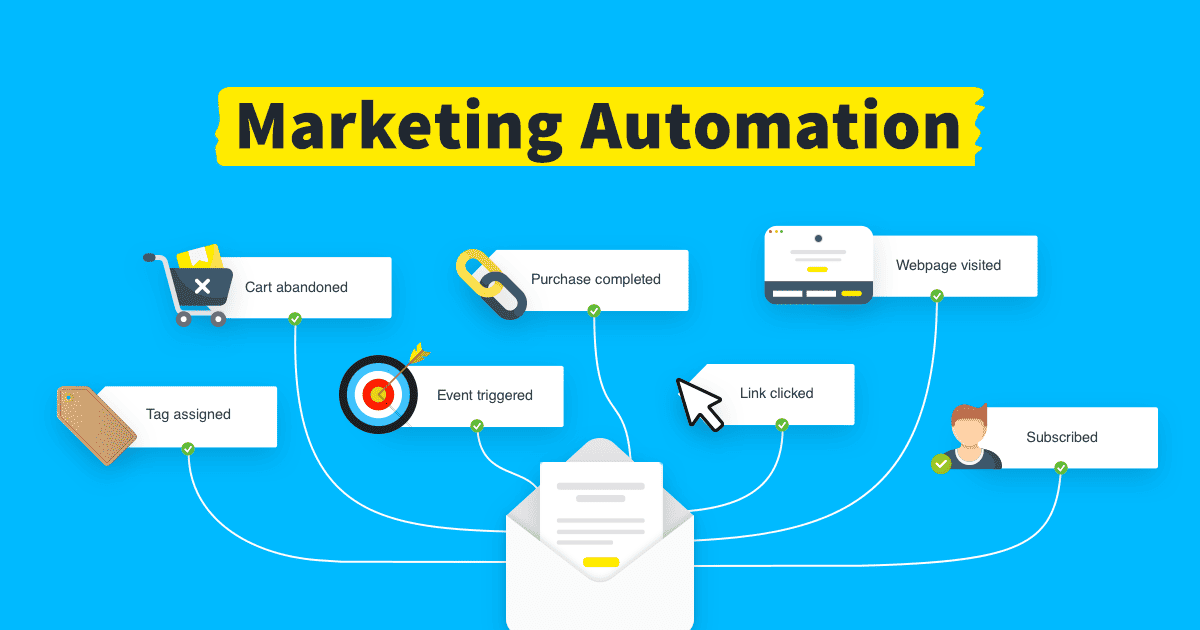
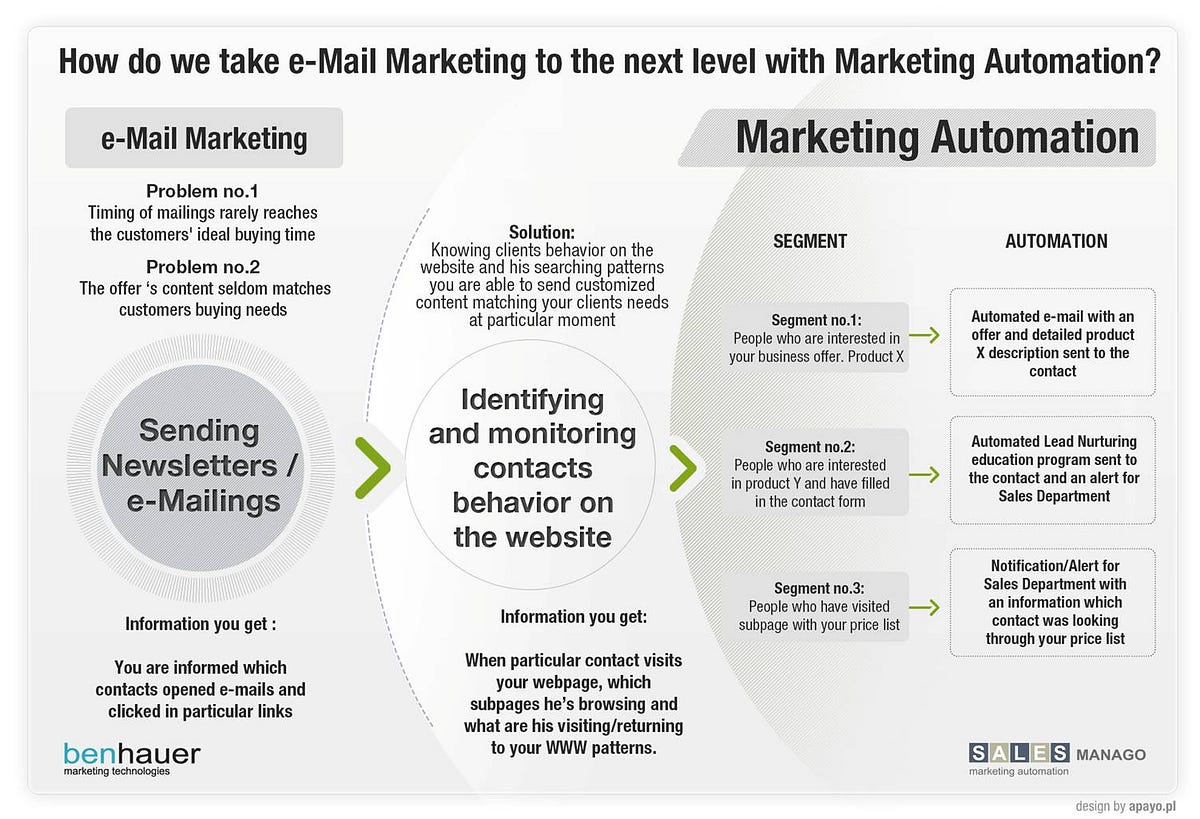
Marketing automation involves using software to automate repetitive marketing tasks. This includes email campaigns, social media posting, and even ad campaigns. It helps businesses streamline their marketing efforts, targeting customers more effectively. Email marketing, on the other hand, specifically targets customers through email communication.
It is a vital component of marketing automation but operates independently. Businesses use email marketing to send newsletters, promotions, and updates directly to their audience. Both strategies aim to enhance customer engagement, but marketing automation provides a more comprehensive approach.
Credit: www.convergehub.com
Core Features
Marketing Automation Vs Email Marketing: Core Features
Understanding the core features of marketing automation and email marketing helps to make better decisions. Both tools offer unique advantages that cater to specific needs.
Key Features Of Marketing Automation
Marketing automation is a comprehensive tool. It handles multiple tasks across various channels.
- Lead Scoring: Automatically score leads based on their behavior.
- Personalized Content: Deliver personalized messages to each user.
- Multi-channel Campaigns: Run campaigns across email, social media, and more.
- Analytics: Detailed insights into campaign performance.
- Workflows: Create complex workflows with ease.
Key Features Of Email Marketing
Email marketing focuses on sending targeted messages to your audience. It is a straightforward tool but very powerful.
- Templates: Use pre-designed templates for quick email creation.
- Segmentation: Segment your audience for targeted campaigns.
- Automated Emails: Send automated welcome and follow-up emails.
- A/B Testing: Test different email versions to optimize performance.
- Metrics: Track open rates, click rates, and conversions.
Credit: www.salesmanago.com
Target Audience
Marketing Automation Vs Email Marketing: Target Audience
Understanding the target audience is crucial for successful campaigns. Marketing automation and email marketing serve different user needs. Each one has its ideal user group. Let’s dive into it.
Ideal Users For Marketing Automation
Marketing automation is perfect for businesses with large customer databases. It saves time and effort by automating repetitive tasks.
- Large Enterprises: They need to manage extensive client lists.
- E-commerce Stores: They handle numerous transactions and client interactions.
- B2B Companies: They require complex lead nurturing processes.
These users benefit from automated workflows. It streamlines their marketing efforts. They can focus on strategy and innovation.
Ideal Users For Email Marketing
Email marketing is ideal for smaller businesses. It’s effective and cost-efficient.
- Small Businesses: They need to reach local customers.
- Startups: They operate with limited budgets.
- Freelancers: They want to build personal connections with clients.
These users can send personalized emails. It helps in building strong relationships. They can engage their audience directly and effectively.
Benefits
Benefits of Marketing Automation Vs Email Marketing
Understanding the benefits of marketing automation and email marketing is crucial. Each has its unique advantages that can help your business grow.
Advantages Of Marketing Automation
Marketing automation offers several advantages. It helps streamline marketing tasks and save time. Here are some key benefits:
- Personalization: Tailor messages to different audience segments.
- Efficiency: Automate repetitive tasks, freeing up time.
- Analytics: Gain insights through detailed reports and analytics.
- Customer Journey: Track customer interactions across different channels.
Advantages Of Email Marketing
Email marketing remains a powerful tool. It is easy to use and very effective. Here are some key benefits:
- Cost-Effective: Reach a large audience without spending much.
- Direct Communication: Communicate directly with your customers.
- Measurable Results: Track open rates and click-through rates.
- High ROI: Email marketing has a high return on investment.
Costs And Roi
Understanding the costs and ROI of marketing automation and email marketing helps you make informed decisions. Both strategies offer unique benefits and challenges. Let’s delve into the specifics of cost implications and ROI for each.
Cost Implications Of Marketing Automation
Marketing automation tools usually have higher upfront costs. Subscription fees vary based on features and scale. Here’s a table comparing typical costs:
Tool Monthly Cost Features Basic Plan $50 Email scheduling, Basic analytics Standard Plan $200 Lead scoring, Advanced analytics Premium Plan $500 CRM integration, Personalized workflows
Hidden costs may include training and setup. Ongoing maintenance is also a factor. The investment pays off if you use all features effectively. Consider your budget and needs carefully.
Roi Of Email Marketing
Email marketing offers a significant ROI. It is cost-effective and direct. Here are some benefits:
- Low cost per email
- High engagement rates
- Immediate results
Personalization in email marketing boosts engagement. Segmenting lists ensures relevant messages reach the right audience. Here’s a breakdown of potential ROI:
- Send personalized emails
- Track open and click rates
- Adjust strategies based on analytics
With minimal investment, you can see a significant return. Focus on crafting compelling content to maximize benefits.
/media/e9036ccde9d21cb09d76b690b275af8b
Integration Capabilities
Understanding the integration capabilities of marketing automation and email marketing is crucial. Integration allows these tools to connect seamlessly with other systems. This enhances their functionality and streamlines processes.
Marketing Automation Integrations
Marketing automation platforms integrate with a wide range of tools. These include:
- Customer Relationship Management (CRM) systems
- Content Management Systems (CMS)
- Social Media Platforms
- Analytics and Reporting Tools
Integrations help automate repetitive tasks. They ensure data consistency across platforms. This leads to a cohesive marketing strategy.
A typical marketing automation integration might look like this:
Tool Integration Benefit CRM Syncs customer data for personalized campaigns CMS Automates content updates and scheduling Social Media Schedules posts and tracks engagement Analytics Provides insights for data-driven decisions
Email Marketing Integrations
Email marketing tools also offer integration capabilities. Common integrations include:
- eCommerce Platforms
- Lead Generation Tools
- Customer Support Systems
- Webinar and Event Platforms
These integrations enhance the functionality of email marketing tools. They help create more effective email campaigns. For example:
Tool Integration Benefit eCommerce Sends personalized product recommendations Lead Generation Captures and nurtures leads efficiently Customer Support Improves customer engagement with timely responses Webinar Platforms Automates follow-up emails post-events
Both marketing automation and email marketing offer robust integration capabilities. Choosing the right tool depends on your specific needs and goals.
Use Cases
Understanding the use cases for Marketing Automation and Email Marketing helps businesses make informed decisions. Each tool serves unique purposes. This section explores when to use each one.
When to Use Marketing Automation
Marketing Automation is ideal for complex workflows. It handles multiple channels like email, social media, and websites.
- Lead Scoring: Identify high-potential leads based on behavior.
- Drip Campaigns: Send a series of emails based on user actions.
- Customer Journey Mapping: Track and guide customers through the sales funnel.
- Behavioral Tracking: Monitor user interactions across platforms.
Companies with diverse marketing needs benefit from Marketing Automation. It provides a holistic view of customer engagement.
When to Use Email Marketing
Email Marketing excels in targeted, direct communication. It’s best for specific campaigns and newsletters.
- Newsletters: Share updates, promotions, or news directly to subscribers.
- Promotional Offers: Announce special deals and discounts.
- Event Invitations: Invite customers to webinars, workshops, or events.
- Customer Feedback: Send surveys to collect user opinions.
Small businesses or startups find Email Marketing cost-effective. It offers a straightforward approach to reach customers.
Feature Marketing Automation Email Marketing Complex Workflows Yes No Lead Scoring Yes No Behavioral Tracking Yes No Newsletters No Yes Cost-effective No Yes
Choosing The Right Tool
Choosing between Marketing Automation and Email Marketing can be challenging. Each tool has unique benefits and features. This section will guide you in making the best choice for your business needs.
Factors To Consider
Several factors play a vital role in deciding the right tool. Let’s explore these key elements:
- Budget: Assess your financial resources.
- Team Size: Consider the size of your marketing team.
- Technical Expertise: Evaluate your team’s technical skills.
- Customer Base: Understand the size and type of your audience.
Aligning With Business Goals
Aligning the tool with your business goals is essential. Here is a quick comparison to help:
Criteria Marketing Automation Email Marketing Goal Alignment Better for long-term strategies Effective for short-term campaigns Scalability Highly scalable Limited scalability Personalization Advanced personalization options Basic personalization features
Marketing Automation is ideal for large-scale operations. It offers comprehensive features for different marketing tasks. On the other hand, Email Marketing is perfect for specific email campaigns. It focuses on sending personalized messages to your audience.

Credit: www.getresponse.com
Frequently Asked Questions
What Is Marketing Automation?
Marketing automation uses software to automate repetitive tasks. It streamlines marketing processes, targeting, and engagement. It helps businesses nurture leads and personalize customer experiences efficiently.
How Does Email Marketing Work?
Email marketing sends targeted messages to a list of subscribers. It aims to promote products, nurture relationships, and drive conversions. It uses segmentation and personalization.
Can Marketing Automation Include Email Marketing?
Yes, marketing automation includes email marketing. It automates email campaigns, tracks engagement, and personalizes content. This enhances efficiency and effectiveness.
Which Is More Effective: Marketing Automation Or Email Marketing?
Both have unique benefits. Marketing automation offers broader capabilities, while email marketing focuses on direct communication. Combining both maximizes results.
Conclusion
Choosing between marketing automation and email marketing depends on your business needs. Marketing automation offers comprehensive solutions. Email marketing remains essential for direct communication. Both strategies can boost engagement and conversions. Evaluate your goals and resources to decide the best approach.
A balanced strategy often yields the best results.