
**Implement Marketing Automation** Implement marketing automation by utilizing software to streamline, automate, and measure marketing tasks and workflows. This enhances efficiency and personalizes customer experiences.
Marketing automation revolutionizes how businesses interact with potential and existing customers. By automating repetitive tasks, companies save time and resources. It allows for precise targeting and personalized communication, increasing engagement and conversion rates. Businesses can track customer behavior, segment audiences, and deliver tailored content.
This leads to improved customer satisfaction and loyalty. Implementing marketing automation tools helps streamline processes, ensuring timely and relevant interactions. This ultimately boosts sales and revenue. Embracing marketing automation is crucial for staying competitive in today’s fast-paced digital landscape. It empowers marketers to focus on strategy and creativity, driving business growth and success.
Introduction To Marketing Automation
Marketing automation helps businesses manage marketing tasks. It’s a crucial tool for modern marketing strategies. Automation saves time and increases efficiency. It allows businesses to engage with customers effectively.
What Is Marketing Automation?
Marketing automation involves using software to automate marketing tasks. These tasks include email campaigns, social media posting, and ad management. The software performs repetitive tasks automatically. This frees up time for marketers to focus on strategy.
Automation tools can segment audiences and personalize content. They track customer behavior and interactions. This data helps create targeted marketing efforts. Automation tools also provide analytics and reporting. This helps in measuring the success of marketing campaigns.
Importance Of Marketing Automation
Marketing automation enhances customer engagement. It ensures timely communication with customers. Automated systems respond to customer actions instantly. This improves customer experience and satisfaction.
Automation tools increase efficiency and productivity. They reduce manual work and human error. These tools allow marketing teams to handle more campaigns. This leads to a higher return on investment (ROI).
Another benefit is scalability. Automation tools can manage large volumes of data and interactions. They adapt to growing business needs. This makes marketing more effective as the business expands.
Benefits of Marketing Automation Description Time-Saving Automates repetitive tasks, freeing up time. Efficiency Reduces manual work and errors. Customer Engagement Ensures timely and relevant communication. Scalability Handles large data volumes and interactions.
- Segment audiences to create targeted marketing.
- Personalize content based on customer behavior.
- Provide analytics to measure campaign success.
Marketing automation tools are essential for modern businesses. They save time and improve efficiency. These tools also enhance customer engagement and satisfaction. Investing in marketing automation can lead to better results and higher ROI.
Key Benefits
Marketing automation is a powerful tool for businesses. It streamlines various marketing tasks and processes. Implementing marketing automation offers several key benefits that can significantly enhance your business performance.
Increased Efficiency
Marketing automation tools save time by automating repetitive tasks. This includes email marketing, social media posting, and ad campaigns. As a result, your team can focus on strategic tasks.
Automation reduces human errors, ensuring more accurate results. Data entry, lead nurturing, and customer segmentation become seamless. This boosts the overall efficiency of your marketing efforts.
Task Manual Time Automated Time Email Campaigns 5 hours/week 1 hour/week Social Media Posts 3 hours/week 30 minutes/week
Enhanced Roi
Marketing automation provides detailed analytics and insights. This helps in making data-driven decisions, improving return on investment (ROI). You can track campaign performance in real-time and adjust strategies accordingly.
Automated workflows enhance customer engagement and retention. By delivering personalized content, you can nurture leads effectively. This increases conversion rates and boosts revenue.
- Improved targeting and segmentation
- Higher conversion rates
- Better customer retention
Investing in marketing automation is a cost-effective strategy. It reduces operational costs and maximizes marketing budget efficiency. With these benefits, marketing automation proves to be a game-changer for businesses.
Getting Started
Marketing automation can save time and increase productivity. It helps streamline tasks, boost engagement, and drive revenue. Getting started with marketing automation involves choosing the right tools and setting up initial campaigns.
Choosing The Right Tools
Choosing the right tools is crucial for success. Consider these factors when selecting a marketing automation tool:
- Ease of Use: The tool should be user-friendly.
- Features: Ensure it has the features you need.
- Integration: Check if it integrates with your existing software.
- Customer Support: Good support can save you time and headaches.
Here is a comparison table of popular marketing automation tools:
Tool Ease of Use Features Integration Customer Support Tool A High Advanced Yes Excellent Tool B Medium Basic Yes Good Tool C Low Advanced No Fair
Setting Up Initial Campaigns
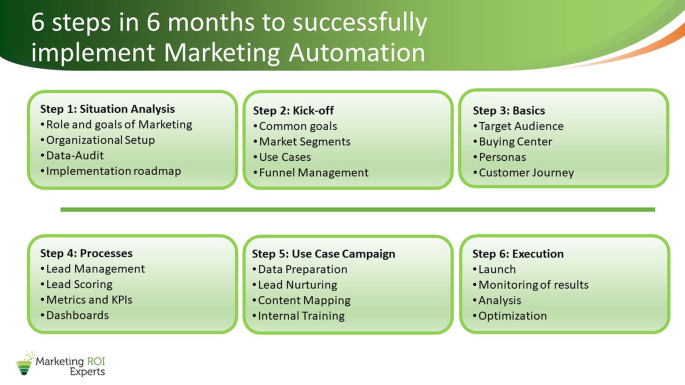
Start with simple campaigns to see how automation works. Follow these steps to set up your initial campaigns:
- Define Goals: What do you want to achieve?
- Segment Audience: Group your audience by similar traits.
- Design Content: Create engaging and relevant content.
- Set Triggers: Automate actions based on user behavior.
- Monitor and Adjust: Track performance and make changes as needed.
Remember to keep your content relevant and engaging. Use analytics to measure success and refine your strategies. Start small and scale as you gain confidence.
Credit: www.theclueless.company
Segmentation Strategies
Implementing marketing automation can transform your business. A crucial aspect of this is Segmentation Strategies. Proper segmentation ensures your marketing efforts reach the right audience. This increases engagement and conversions.
Customer Segmentation
Customer segmentation divides your audience based on demographics. This can include age, gender, income, education, and occupation. By understanding these factors, you can create personalized messages.
Segment Demographic Factor Marketing Strategy Young Adults Age: 18–24 Social Media Campaigns Professionals Occupation: White-collar Email Newsletters Parents Age: 30–45 Family-oriented Promotions
Behavioral Segmentation
Behavioral segmentation focuses on how customers interact with your brand. This includes purchase history, website activity, and email engagement. By analyzing these behaviors, you can tailor your marketing efforts.
- Purchase History: Identify frequent buyers and offer loyalty rewards.
- Website Activity: Track pages visited and time spent on each page.
- Email Engagement: Monitor open rates and click-through rates.
Behavioral segmentation can improve customer satisfaction. You provide what they need based on their actions.
Personalization Techniques
Personalization Techniques are crucial for effective marketing automation. They help create unique experiences for each user. Personalized content boosts engagement, conversions, and customer loyalty. Implementing these techniques can transform your marketing strategy.
Dynamic Content
Dynamic Content changes based on user behavior and preferences. This makes the experience unique for each visitor. For instance, show different content to new and returning visitors.
You can use dynamic content in:
- Landing Pages
- Product Recommendations
- Blog Posts
Landing Pages can display offers based on user location or behavior. Product Recommendations can be tailored using browsing history. Blog Posts can show related articles based on reading habits. This keeps users engaged and increases time on site.
Email Personalization
Email Personalization involves customizing email content for each recipient. This can include the subject line, body text, and call-to-action.
Key techniques for email personalization:
- Using the recipient’s name
- Segmenting email lists
- Personalizing product recommendations
Using the recipient’s name makes the email feel personal. Segmenting email lists allows you to send targeted content to different groups. Personalizing product recommendations can increase click-through rates and sales.
Here’s an example of personalized email content:
Dear [First Name],

We noticed you recently viewed [Product]. We think you'll love our new collection of [Related Products].

Check them out here: [Link]

Best,
[Your Company]
Such emails create a connection with the recipient. This boosts engagement and conversion rates.
Credit: www.buzzboard.ai
Automated Workflows
Automated Workflows in Marketing Automation
Automated workflows in marketing automation help streamline tasks. They save time and reduce manual efforts. These workflows guide leads and customers through your processes. Below, we explore key workflows like Lead Nurturing and Customer Onboarding.
Lead Nurturing
Lead nurturing workflows engage potential customers. They guide leads from awareness to decision. Automated emails can educate and inform leads. These emails share valuable content and address pain points. Use triggers to send emails based on lead actions.
- Personalized Emails: Tailor content to individual interests.
- Timed Follow-ups: Schedule emails to maintain engagement.
- Behavior Tracking: Adjust messages based on lead behavior.
Customer Onboarding
Customer onboarding workflows welcome new users. They ensure a smooth start with your product or service. Send welcome emails with helpful resources. Provide tutorials and guides to assist new customers. Use surveys to gather feedback and improve the process.
- Welcome Email: Send a friendly introduction.
- Product Tutorials: Offer guides and videos.
- Feedback Surveys: Collect insights to enhance onboarding.
Automated workflows elevate your marketing efforts. They make processes efficient and effective. Use these strategies to improve lead nurturing and customer onboarding.
Analyzing Performance
Analyzing the performance of your marketing automation is crucial. It helps you understand what works and what needs improvement. This section will guide you through key metrics and tools for effective analysis.
Key Metrics To Track
To measure the success of marketing automation, track these key metrics:
- Conversion Rate: Percentage of leads turning into customers.
- Click-Through Rate (CTR): Number of clicks divided by total impressions.
- Open Rate: Percentage of opened emails from the total sent.
- Engagement Rate: Interaction with your content (likes, shares, comments).
- Customer Retention Rate: Percentage of customers who return for repeat business.
Using Analytics Tools
Using analytics tools can provide deeper insights. Here are some popular tools:
Tool Features Google Analytics Tracks website traffic, user behavior, and conversion rates. HubSpot Provides CRM, email tracking, and detailed analytics reports. Mailchimp Offers email marketing analytics and campaign performance. Hootsuite Monitors social media engagement and performance.
To get the most out of these tools, follow these steps:
- Set up your account and integrate with your platforms.
- Define your goals and key performance indicators (KPIs).
- Regularly review the data and adjust your strategies.
Consistent analysis helps you refine your marketing efforts. It ensures you achieve better results over time.
Future Trends
Marketing automation is evolving rapidly. Businesses must stay updated with future trends. Understanding these trends helps in making informed decisions. In this section, we will explore key future trends.
Ai In Marketing Automation
Artificial Intelligence (AI) is transforming marketing automation. AI helps businesses personalize customer experiences. It analyzes customer data to predict behavior. This helps in creating targeted marketing campaigns.
AI-driven chatbots enhance customer service. They provide instant responses to customer queries. This improves customer satisfaction and engagement.
AI can also automate repetitive tasks. This saves time and reduces human error. Marketers can focus on strategic activities.
The Role Of Big Data
Big Data is a game-changer in marketing automation. It provides valuable insights into customer behavior. Businesses can analyze large datasets to identify trends. This helps in making data-driven decisions.
Big Data enhances customer segmentation. It allows for more precise targeting. This leads to higher conversion rates and better ROI.
Big Data also improves marketing efficiency. It helps in optimizing marketing strategies. Businesses can allocate resources effectively.
Future Trends Benefits AI in Marketing Automation Personalized experiences, instant responses, task automation The Role of Big Data Valuable insights, precise targeting, optimized strategies
Embracing these trends is crucial. Businesses can stay ahead in a competitive market. Implementing marketing automation effectively is key. Future trends offer exciting opportunities for growth and innovation.
/media/0e4481288508035ee042edb6999a53c3
Credit: link.springer.com
Frequently Asked Questions
What Is Marketing Automation?
Marketing automation refers to software that automates marketing tasks. It helps streamline workflows, manage campaigns, and personalize customer experiences.
How Does Marketing Automation Work?
Marketing automation works by using software to automate repetitive marketing tasks. It includes email campaigns, social media posts, and tracking customer behavior.
Why Is Marketing Automation Important?
Marketing automation is important because it saves time, improves efficiency, and enhances customer engagement. It also provides valuable insights into campaign performance.
Can Small Businesses Use Marketing Automation?
Yes, small businesses can use marketing automation. It helps them compete with larger companies by streamlining marketing efforts and improving customer engagement.
Conclusion
Implementing marketing automation can revolutionize your business operations. It saves time, boosts efficiency, and enhances customer engagement. Adopt these strategies to stay competitive and foster growth. Start small and scale gradually for maximum impact. Embrace automation to streamline processes and achieve your marketing goals seamlessly.