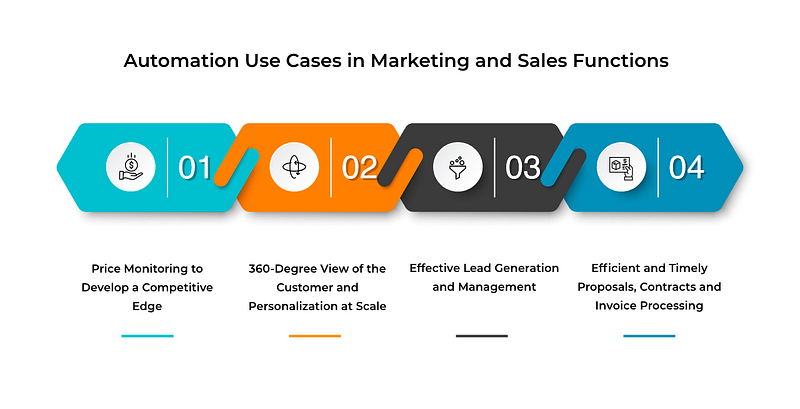
Marketing automation for banks streamlines customer engagement and enhances operational efficiency. It leverages data to deliver personalized experiences.
Banks face increasing pressure to provide personalized services and maintain customer loyalty. Marketing automation offers a solution by automating repetitive tasks, allowing banks to focus on strategic initiatives. This technology helps in segmenting customers, crafting targeted campaigns, and analyzing performance metrics.
Personalized communication nurtures relationships and boosts satisfaction. Additionally, automation reduces human error and operational costs. By integrating marketing automation, banks can stay competitive and agile in a rapidly evolving financial landscape. This approach not only enhances customer experiences but also drives growth and profitability.
Introduction To Marketing Automation
Marketing automation is changing how banks connect with customers. It uses technology to automate marketing tasks. This helps banks save time and money. It also improves customer experience.
What Is Marketing Automation?
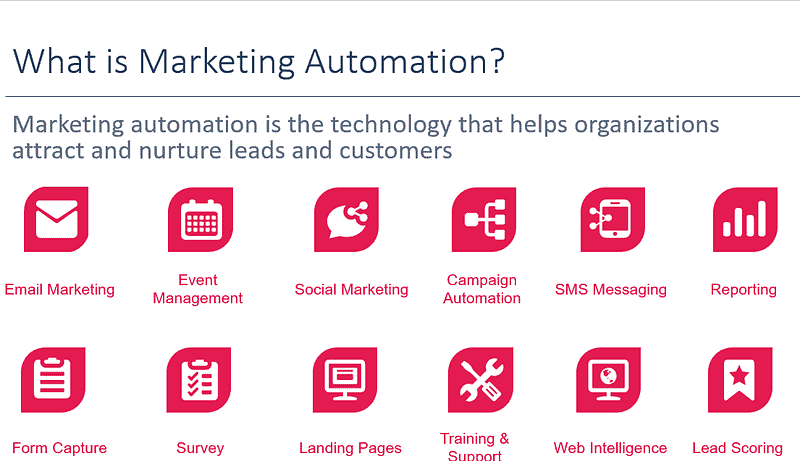
Marketing automation involves using software to automate marketing actions. These actions can include emails, social media posts, and other tasks. With automation, banks can send personalized messages to customers. This helps in building stronger relationships.
Importance For Banks
Banks face tough competition. They need to stay connected with their customers. Marketing automation helps in several ways:
- Saves Time: Automates repetitive tasks.
- Improves Accuracy: Reduces human errors.
- Personalizes Communication: Sends targeted messages.
- Increases Efficiency: Streamlines workflows.
Banks can benefit greatly from marketing automation. Here are some key areas:
Area Benefit Customer Onboarding Sends welcome emails and guides. Customer Retention Sends personalized offers and updates. Lead Generation Automates lead nurturing processes.
Using marketing automation, banks can offer better services. This leads to higher customer satisfaction and loyalty.

Credit: aritic.com
Benefits For Banks
Marketing automation provides banks with numerous advantages. It helps improve customer experience, reduces costs, and streamlines operations. Let’s explore these benefits in detail.
Enhanced Customer Experience
Marketing automation allows banks to deliver personalized services. It helps tailor messages to individual customer needs.
Automation tools can segment customers based on their behavior. This ensures that customers receive relevant offers and information.
- Personalized Emails: Automated emails can address customers by name.
- Targeted Campaigns: Banks can send offers based on customer preferences.
This targeted approach increases customer satisfaction. Happy customers are more likely to stay loyal.
Cost Efficiency
Automation reduces the need for manual tasks. This lowers operational costs for banks.
Banks can save money on marketing campaigns. Automated tools perform tasks faster and more accurately.
Manual Process Automated Process Sending emails manually Automated email campaigns Manual data entry Automated data collection
By reducing human error, banks can also minimize financial risks. Automated systems ensure consistency and accuracy.
Key Features
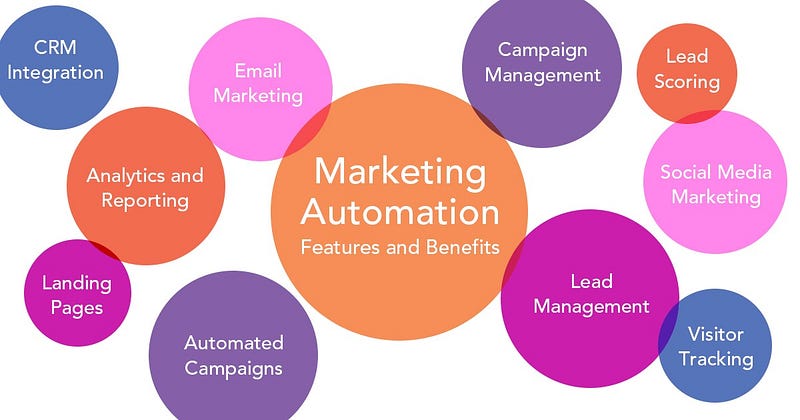
Marketing automation offers numerous advantages for banks. It streamlines processes, enhances customer engagement, and drives profitability. Explore the key features of marketing automation for banks below:
Personalized Campaigns
Banks can create personalized campaigns based on customer data. This includes transaction history, preferences, and behavior. Personalized campaigns improve customer satisfaction and loyalty. They make customers feel valued and understood.
- Targeted emails: Send emails based on customer interests.
- Customized offers: Provide offers that match customer needs.
- Dynamic content: Show different content to different users.
Multi-channel Integration
Multi-channel integration allows banks to reach customers on various platforms. These include email, social media, and mobile apps. This feature ensures a cohesive customer experience.
Channel Benefits Email Direct communication with customers. Social Media Engage with a wider audience. Mobile Apps Provide services on the go.
Multi-channel integration ensures consistent messaging across all platforms. Customers receive the same information no matter where they interact.
Marketing automation for banks is a game-changer. It helps create personalized campaigns and integrates multiple channels. This leads to better customer engagement and increased profitability.
Implementation Strategies
Implementing marketing automation in banks can transform customer engagement. It streamlines processes and improves efficiency. Effective implementation strategies are crucial for success. Let’s explore some key aspects.
Choosing The Right Platform
Choosing the right platform is essential for marketing automation. Consider the following factors:
- Scalability: The platform should grow with your bank.
- Integration: It must integrate with existing systems.
- User Interface: An intuitive interface is crucial.
- Support: Ensure the vendor offers robust support.
- Cost: Evaluate the total cost of ownership.
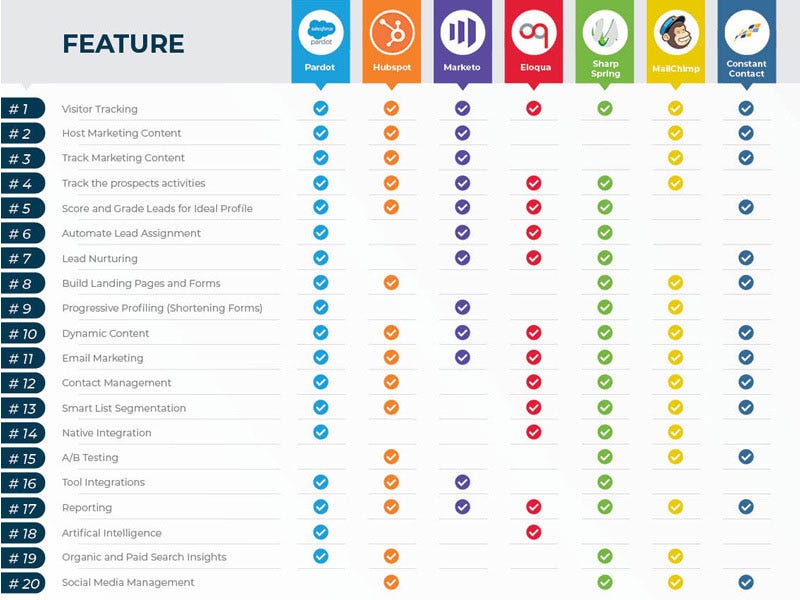
Here is a comparison table of popular platforms:
Platform Scalability Integration User Interface Support Cost Platform A High Yes Easy 24/7 $$ Platform B Medium Yes Moderate Business Hours $ Platform C Low No Difficult No $$$
Staff Training
Training your staff is vital for successful implementation. Focus on these areas:
- Platform Navigation: Teach staff to navigate the platform.
- Automation Workflows: Train staff to create automation workflows.
- Data Analysis: Show how to analyze data and generate reports.
- Customer Segmentation: Teach staff to segment customers effectively.
- Compliance: Ensure staff understand compliance requirements.
Provide continuous training to keep staff updated. Use webinars, workshops, and online courses. This ensures they stay informed and skilled.
Effective training improves adoption rates. It also boosts overall productivity. Your staff will feel confident using the new system.
/media/da30fd688a2a9ab6a4d896bf6726ad61
Challenges And Solutions
Marketing Automation for Banks: Challenges and Solutions
Marketing automation offers many benefits for banks. Yet, it also brings challenges. Banks need effective solutions to address these issues. Below are key challenges and their solutions.
Data Privacy Concerns
Banks handle sensitive customer data. Data privacy is a major concern. Customers trust banks with their personal information. Any breach can damage this trust.
- Encryption: Encrypt all customer data. This protects it from hackers.
- Access Controls: Limit data access to authorized personnel only.
- Regular Audits: Conduct regular security audits. This ensures compliance with regulations.
Integration Issues
Integration with existing systems can be complex. Banks use many software systems. These systems must work together seamlessly.
- API Solutions: Use APIs to connect different systems. This ensures smooth data flow.
- Training: Train staff on new systems. This reduces errors and improves efficiency.
- Third-Party Expertise: Hire experts for complex integrations. This saves time and reduces risks.
Challenge Solution Data Privacy Concerns Encryption, Access Controls, Regular Audits Integration Issues API Solutions, Training, Third-Party Expertise

Credit: www.moneythor.com
Case Studies
Marketing Automation for Banks: Case Studies
Marketing automation is transforming the banking sector. Banks use automation to boost customer engagement and streamline operations. This section will explore real-world examples and valuable insights.
Successful Implementations
Several banks have successfully adopted marketing automation. Let’s look at some notable implementations:
Bank Automation Strategy Results Bank A Automated Email Campaigns Increased open rates by 30% Bank B Personalized SMS Alerts Boosted customer retention by 20% Bank C AI-driven Chatbots Reduced customer queries by 50%
Lessons Learned
From these case studies, banks can learn valuable lessons:
- Data is crucial: Gather and analyze customer data for targeted campaigns.
- Personalization matters: Tailor messages to meet individual customer needs.
- Testing is key: Regularly test and optimize automation strategies.
- Customer feedback: Use feedback to improve automation tools and strategies.
- Security: Ensure customer data is protected with robust security measures.
Future Trends
The landscape of marketing automation for banks is rapidly evolving. The future is shaped by emerging technologies and new methodologies. Banks must stay ahead by embracing these innovations. Below are the key trends shaping the future of marketing automation in banking.
Ai And Machine Learning
Artificial Intelligence (AI) and Machine Learning (ML) are transforming banking. These technologies help banks understand customer behavior better. AI can automate customer service through chatbots. ML can personalize marketing messages based on past actions.
Banks can also use AI to detect fraud in real-time. This helps in providing a more secure experience for customers. AI and ML can also streamline back-office operations.
By leveraging AI and ML, banks can gain a competitive edge. These technologies enable smarter decision-making and improved customer satisfaction.
Predictive Analytics
Predictive analytics is a game-changer for banks. It uses data to forecast future trends. This helps banks make informed decisions. Predictive analytics can identify potential loan defaulters. This allows banks to take preventive measures.
It can also enhance customer segmentation. Banks can target the right audience with personalized offers. Predictive analytics helps in optimizing marketing campaigns.
By using predictive analytics, banks can improve their ROI. It helps in reducing risks and maximizing opportunities.
Trend Description Impact AI and Machine Learning Automates customer service, detects fraud, personalizes marketing Improved customer satisfaction and security Predictive Analytics Forecasts trends, identifies risks, enhances segmentation Better decision-making and ROI
Embracing these trends can set banks apart. The future of marketing automation in banking looks promising.

Credit: www.fssi-ca.com
Frequently Asked Questions
What Is Marketing Automation For Banks?
Marketing automation for banks streamlines marketing tasks. It uses software to automate repetitive processes, enhancing efficiency and customer engagement.
How Can Banks Benefit From Marketing Automation?
Banks benefit from marketing automation by improving customer targeting. It helps in personalizing communication and increasing customer retention.
What Features Should Banks Look For In Marketing Automation Tools?
Banks should look for CRM integration, personalization capabilities, and robust analytics. These features are essential for effective marketing automation.
How Does Marketing Automation Improve Customer Engagement?
Marketing automation improves customer engagement by delivering personalized messages. It ensures timely communication based on customer behavior and preferences.
Conclusion
Marketing automation offers significant advantages for banks. It enhances customer engagement, reduces costs, and boosts efficiency. Adopting these tools can revolutionize banking operations. Embrace automation to stay competitive and meet evolving customer demands. Begin your journey towards a more efficient and customer-centric banking experience today.