Network Automation Market: Revolutionizing IT Efficiency and Growth

The Network Automation Market is rapidly growing due to increased demand for efficient network management. Businesses seek to automate repetitive tasks and improve network performance.

Network automation streamlines the management of complex networks, reducing human error and operational costs. It plays a critical role in enhancing network reliability and scalability. Companies use automation tools to monitor, configure, and maintain network infrastructure. This trend is driven by the rise of cloud computing, IoT, and 5G technologies.

Automated networks can quickly adapt to changing demands, ensuring seamless connectivity. As a result, network automation is becoming essential for businesses aiming to stay competitive. The market’s growth is fueled by advancements in AI and machine learning, which enable more intelligent and adaptive network solutions.

Introduction To Network Automation

Network Automation is revolutionizing the IT sector. It involves using software to automate network and security provisioning and management. This ensures faster deployments and reduces human errors.

Definition And Scope

Network Automation refers to the process of using software to automate network tasks. These tasks include configuration, management, testing, deployment, and operations. It covers a wide range of activities:

  • Provisioning
  • Configuration
  • Management
  • Testing
  • Security management
  • Orchestration

The scope of network automation is vast. It applies to data centers, service providers, and enterprises.

Importance In Modern It

Automation is crucial in modern IT for several reasons:

  1. Speed: Automating tasks reduces the time taken to deploy networks.
  2. Accuracy: It minimizes human errors, ensuring configurations are correct.
  3. Scalability: Automation can handle growing network demands efficiently.
  4. Security: Automated systems quickly detect and respond to threats.
  5. Cost-Effectiveness: Reduces the need for manual intervention, saving labor costs.

Network automation is a game-changer. It ensures efficient and secure network management.

Benefits Description Speed Faster deployment of network resources. Accuracy Reduces human errors in configurations. Scalability Handles growing demands efficiently. Security Quickly detects and responds to threats. Cost-Effectiveness Saves on labor costs.

Network Automation is transforming how IT departments operate. It enhances efficiency, security, and cost savings.

Market Dynamics

Network Automation Market Dynamics

The Network Automation Market is growing rapidly. Understanding its dynamics is crucial. This section covers the key drivers and challenges.

Key Drivers

Several factors drive the Network Automation Market forward:

  • Increasing Demand for Efficient Network Management: Businesses need faster and reliable networks.
  • Rising Adoption of Cloud-Based Solutions: Cloud solutions simplify network management.
  • Growing Need for Network Security: Automated networks enhance security measures.
  • Advancements in AI and Machine Learning: AI-driven tools optimize network performance.

Challenges

Despite growth, the Network Automation Market faces challenges:

  • High Initial Setup Costs: Automation tools can be expensive to implement.
  • Lack of Skilled Professionals: There is a shortage of network automation experts.
  • Complexity of Integration: Integrating new systems with existing networks is challenging.
  • Security Concerns: Automated networks are targets for cyber-attacks.

Key Driver Impact Efficient Network Management Faster and more reliable networks Cloud-Based Solutions Simplifies management tasks Network Security Enhances protection measures AI and Machine Learning Optimizes performance

Understanding these dynamics helps businesses plan better. Addressing challenges will ensure sustained growth.

Technological Advancements

The network automation market is evolving rapidly. Technological advancements drive this growth. Key technologies include AI, machine learning, and software-defined networking. These innovations make networks smarter and more efficient.

Ai And Machine Learning

AI and machine learning are transforming network automation. They help networks learn and adapt. This technology can predict issues before they occur. Networks use AI to optimize performance automatically.

  • AI detects network anomalies.
  • Machine learning improves network security.
  • AI-driven analytics provide real-time insights.

AI and machine learning reduce human errors. They enable faster decision-making. These technologies make networks more reliable and robust.

Software-defined Networking

Software-Defined Networking (SDN) is another key technology. SDN separates network control from hardware. This allows for easier management and automation. SDN makes networks more flexible and scalable.

Benefits of SDN Centralized control Improved network agility Cost savings

SDN enables rapid deployment of new services. It simplifies network management. SDN enhances network performance and reduces costs.

Benefits Of Network Automation

Network automation offers numerous advantages to businesses. It simplifies tasks and enhances efficiency. Below, we explore the key benefits of network automation.

Operational Efficiency

Network automation improves operational efficiency. Automated systems handle repetitive tasks. This reduces human error and speeds up processes. IT staff can focus on strategic activities.

Automation tools monitor network health. They detect and resolve issues instantly. This leads to better performance and uptime.

Task Manual Process Automated Process Network Configuration Hours Minutes Issue Detection Minutes Seconds Software Updates Days Hours

Cost Reduction

Network automation significantly reduces costs. Automated systems lower the need for manual labor. This cuts down on staffing expenses.

Automation also reduces downtime. Fewer outages mean less lost revenue. Efficient networks use resources better, leading to savings.

Consider these cost-saving areas:

  • Reduced staffing needs
  • Lowered downtime costs
  • Optimized resource usage

Industry Applications

Industry Applications in Network Automation Market

The network automation market has diverse applications across multiple industries. Key sectors such as telecommunications and data centers rely heavily on automation. Let’s explore these applications in detail.

Telecommunications

Telecommunications companies use network automation to manage complex networks. This helps in reducing manual tasks and improving efficiency.

Automation tools monitor network performance, ensuring high-speed data transmission. It also helps in quickly resolving issues and minimizing downtime.

  • Improves network reliability
  • Reduces operational costs
  • Enhances customer experience

Feature Benefit Automated Monitoring Detects and resolves issues swiftly Configuration Management Ensures consistent network settings Traffic Analysis Optimizes data flow

Data Centers

Data centers need network automation for managing large-scale operations. Automation enhances resource allocation and security.

It aids in scaling resources according to demand. This ensures data centers run smoothly without manual intervention.

  1. Optimizes power usage
  2. Enhances security measures
  3. Reduces human errors

Automation Aspect Impact Resource Management Efficiently allocates resources Security Protocols Strengthens data protection System Updates Ensures up-to-date software

Network Automation Market: Revolutionizing IT Efficiency and Growth

Credit: www.acumenresearchandconsulting.com

Key Players In The Market

The Network Automation Market is booming. It has major players driving innovation. Key players include both established companies and innovative startups. Let’s explore the key players shaping this market.

Leading Companies

Several established companies lead the network automation market. These companies have a significant market share.

Company Specialization Market Share Cisco Systems Network hardware and software solutions 35% Juniper Networks Network innovation and automation 20% VMware Cloud and virtualization solutions 15%

Cisco Systems is known for its robust network hardware. They offer comprehensive network automation solutions.

Juniper Networks focuses on network innovation. They provide cutting-edge automation tools.

VMware specializes in cloud and virtualization. They integrate these with network automation seamlessly.

Innovative Startups

Many startups are emerging in the network automation market. These startups bring fresh ideas and innovative solutions.

  • Anuta Networks: Provides network orchestration and assurance solutions.
  • AppViewX: Focuses on network automation and security management.
  • NetBrain Technologies: Offers dynamic network mapping and automation.

Anuta Networks offers orchestration and assurance. They ensure seamless network operations.

AppViewX combines automation with security management. This makes networks both efficient and secure.

NetBrain Technologies provides dynamic mapping. Their automation solutions are highly regarded.

Market Trends

The Network Automation Market is evolving rapidly. Businesses seek efficiency and scalability. Let’s explore the latest trends driving this market.

Adoption Rates

Many companies are embracing network automation. It reduces manual tasks and boosts productivity. According to recent reports:

  • 60% of enterprises have adopted some form of network automation.
  • 40% plan to implement it within the next year.

Adoption rates are higher in industries like IT, telecom, and finance. Small and medium-sized businesses are catching up. The need for real-time data and seamless connectivity drives adoption.

Future Predictions

Experts predict significant growth in the network automation market. By 2025, the market size could reach $10 billion. Key factors influencing this growth include:

  1. Increasing demand for cloud services.
  2. Growth of IoT devices.
  3. Advancements in AI and machine learning.

Network automation will become essential for cybersecurity. Automated systems will detect and respond to threats faster. 5G technology will also boost market growth. Faster networks require efficient automation solutions.

Robust solutions will dominate the market. Companies offering end-to-end automation will lead. Businesses will seek tools that integrate easily with existing systems.

Challenges And Solutions

The Network Automation Market is growing rapidly. However, it faces some significant challenges. Here, we explore these challenges and offer practical solutions.

Security Concerns

Security is a major issue in network automation. Automated systems are vulnerable to cyber-attacks. Many hackers target these systems to steal data. To address these issues, companies should:

  • Implement strong encryption methods
  • Conduct regular security audits
  • Use multi-factor authentication

Moreover, training employees on security practices is essential. This helps in reducing human errors that could lead to breaches.

Integration Issues

Integrating various network components is challenging. Different systems often have compatibility issues. This can slow down the automation process. To solve these problems, businesses can:

  • Use open standards for better compatibility
  • Invest in middleware solutions
  • Seek expert advice for complex integrations

Additionally, regular testing is crucial. This ensures all systems work smoothly together.

Challenge Solution Security Concerns Encryption, Security Audits, Multi-Factor Authentication Integration Issues Open Standards, Middleware Solutions, Expert Advice

Addressing these challenges effectively can lead to more secure and efficient network automation.

/media/54e61fb63ace128da5d6c730edffae61

Case Studies

Network automation is revolutionizing businesses. Case studies reveal its potential. This section explores real-world examples and valuable insights from successful implementations.

Successful Implementations

Many companies have successfully implemented network automation. They have achieved remarkable results.

  • Company A: Reduced operational costs by 40% within six months. Automated repetitive tasks.
  • Company B: Improved network uptime by 30%. Used AI-driven solutions.
  • Company C: Enhanced security protocols. Detected threats faster.

Lessons Learned

Implementing network automation offers valuable lessons. These insights can guide future projects.

  1. Start Small: Begin with simple tasks. Gradually scale up.
  2. Training: Ensure staff are well-trained. Knowledge is key.
  3. Monitor and Adjust: Continuously monitor systems. Make necessary adjustments.

Company Benefit Implementation Time Company A Reduced Costs 6 Months Company B Improved Uptime 8 Months Company C Enhanced Security 10 Months

Network Automation Market: Revolutionizing IT Efficiency and Growth

Credit: www.marketsandmarkets.com

Network Automation Market: Revolutionizing IT Efficiency and Growth

Credit: www.marketsandmarkets.com

Frequently Asked Questions

What Is Network Automation?

Network automation involves using software to automate network and security provisioning and management. It reduces manual tasks and enhances efficiency.

Why Is Network Automation Important?

Network automation is crucial for improving efficiency, reducing errors, and enhancing network security. It enables consistent and reliable network management.

How Does Network Automation Work?

Network automation uses scripts and tools to automate network configuration and management tasks. It reduces the need for manual intervention.

What Are The Benefits Of Network Automation?

Network automation improves efficiency, reduces operational costs, enhances network security, and minimizes human error. It also allows for faster deployment of network services.

Conclusion

The network automation market is growing rapidly and transforming industries. Businesses must embrace automation to stay competitive. By integrating advanced technologies, companies can streamline operations, reduce costs, and improve efficiency. Stay ahead by investing in network automation solutions. The future promises even more innovations, making this an exciting field to watch.

Marketing Automation And CRM: The Dynamic Duo of Business Success

Marketing Automation And CRM: A Deep Dive Into Pipedrive

Hi there! Today, we’re going to talk about a fantastic tool called Pipedrive. It’s all about Marketing Automation And CRM. If you’re wondering what CRM means, it’s short for Customer Relationship Management. Let’s dive in!

What is Pipedrive?

Pipedrive is a CRM tool. It helps small and medium-sized businesses (SMBs) manage their sales. It’s like having a super organized notebook for all your customer information.

Why Is Pipedrive Special?

  • It has a sleek and intuitive design.
  • It focuses on simplicity and user-friendliness.
  • It emphasizes sales pipeline management.
  • It showcases customer success stories.
  • It offers many integrations.

Services Offered by Pipedrive

Pipedrive offers a bunch of amazing services. Let’s break them down:

Service Description Sales Pipeline Management Visual sales pipelines to track your sales progress. Automated Workflows Automate repetitive tasks to save time. Email Integration Integrate your emails for better communication. Reporting Features Generate reports to understand your sales better.

How Does Pipedrive Help SMBs?

Pipedrive is designed for small and medium-sized businesses. It helps them manage leads, track sales activities, and improve conversion rates. Let’s see how:

  • Manage Leads: Keep track of potential customers easily.
  • Track Sales Activities: Know what your sales team is up to.
  • Improve Conversion Rates: Turn more leads into paying customers.

Visual Sales Pipelines

Pipedrive offers visual sales pipelines. This means you can see your sales process at a glance. It’s like a colorful board game where you can see each step clearly.

Automated Workflows

Automated workflows mean Pipedrive can do some tasks for you. For example, it can send reminder emails or update records. This saves you time and effort.

Email Integration

With email integration, you can connect your email account to Pipedrive. This way, you can manage all your communication in one place. No more switching between different apps!

Reporting Features

Pipedrive offers reporting features. You can generate reports to see how well your sales are doing. It’s like getting a report card at school, but for your business.

Customer Success Stories

Pipedrive loves to share customer success stories. These are real stories from businesses that have used Pipedrive to improve their sales. It’s always inspiring to see how others have succeeded.

Integrations

Pipedrive offers many integrations. This means it can connect with other tools you use. For example, you can integrate it with your email, calendar, and even social media. It’s like having a Swiss Army knife for your business!

Frequently Asked Questions

What Is Marketing Automation?

Marketing automation uses software to streamline marketing tasks.

How Does Crm Improve Sales?

CRM centralizes customer data, aiding in better sales tracking.

Why Combine Marketing Automation And Crm?

Combining both enhances customer engagement and sales efficiency.

Can Crm Integrate With Marketing Tools?

Yes, many CRMs offer integrations with marketing tools.

Conclusion

In conclusion, Pipedrive is a fantastic tool for small and medium-sized businesses. It helps with Marketing Automation And CRM. With its sleek design and user-friendly features, it’s a game-changer for managing sales. So, if you want to improve your sales process, give Pipedrive a try!

Remember, a well-organized business is a successful business. So, let’s get organized with Pipedrive!

FAQs

Here are some frequently asked questions about Pipedrive:

  • Q: What is CRM?
    A: CRM stands for Customer Relationship Management. It’s a tool to manage customer information.
  • Q: Who can use Pipedrive?
    A: Pipedrive is designed for small and medium-sized businesses.
  • Q: What are visual sales pipelines?
    A: Visual sales pipelines let you see your sales process clearly.
  • Q: Can I integrate my email with Pipedrive?
    A: Yes, you can integrate your email for better communication.

Thanks for reading! I hope you found this article helpful. Now go out there and rock your sales with Pipedrive!

Content Marketing Automation: Boost Efficiency and ROI Effortlessly

Content marketing automation streamlines the creation, scheduling, and distribution of content. It enhances efficiency and ensures consistent engagement with your audience.

Content marketing automation leverages technology to simplify repetitive tasks in content creation and distribution. It helps businesses maintain a consistent online presence without overburdening their teams. Automated tools can schedule posts, curate content, and analyze performance metrics. This allows marketers to focus on strategy and creativity.

Automation also ensures timely delivery of content, enhancing audience engagement. Utilizing these tools effectively can save time and improve ROI. With the growing demand for content, automation has become essential for scalable and efficient marketing strategies. It helps businesses stay competitive in the digital landscape.

Content Marketing Automation: Boost Efficiency and ROI Effortlessly

Introduction To Content Marketing Automation

Content marketing automation helps businesses save time and effort. It uses technology to streamline content creation and distribution. This guide introduces you to its basics and benefits.

What Is Content Marketing Automation?

Content marketing automation involves using tools to automate tasks. These tasks include scheduling posts, analyzing data, and managing workflows. Automation tools can handle repetitive tasks. This allows marketers to focus on strategy and creativity.

Examples of these tools include:

  • Social media schedulers
  • Email marketing platforms
  • Content management systems
  • Analytics software

Automation tools can integrate with various platforms. This integration ensures a seamless content marketing process.

Importance Of Automation In Content Marketing

Automation brings many benefits to content marketing. Here are the key advantages:

Benefit Description Time-Saving Automation handles repetitive tasks, saving valuable time. Consistency Automated tools ensure content is posted regularly. Data-Driven Insights Automation tools provide analytics to refine strategies. Scalability Automation allows businesses to scale their efforts easily.

Using automation, marketers can achieve more with less effort. Automation tools also help maintain a consistent brand voice. This leads to better engagement and customer trust.

In summary, content marketing automation is essential. It offers efficiency, consistency, and valuable insights. By integrating these tools, businesses can enhance their content marketing strategies.

Key Benefits

Content marketing automation offers a range of benefits. It helps businesses streamline their content strategies. Here, we will discuss the key benefits of using content marketing automation.

Increased Efficiency

Automation tools save time. They handle repetitive tasks like scheduling posts. This allows your team to focus on creative work. Efficiency increases when less time is spent on routine jobs.

  • Automated content distribution
  • Streamlined workflow
  • Consistent posting schedules

Automated tools can also analyze data. This helps in understanding audience behavior. Quick data analysis supports better decision-making.

Enhanced Roi

Content marketing automation improves return on investment (ROI). Automated tools help in targeting the right audience. This leads to higher engagement rates.

Better engagement means more conversions. This directly impacts your revenue. Automation tools also reduce labor costs. You need fewer people to manage your content.

Benefit Impact Targeted Audience Higher Engagement Data Analysis Informed Decisions Reduced Labor Costs Better ROI

Automation tools often include analytics features. These features track key performance metrics. Using this data, you can fine-tune your strategies. This leads to continuous improvement.

Essential Tools

Content marketing automation helps streamline repetitive tasks. Using the right tools can boost efficiency and save time. Here are some essential tools for content marketing automation.

Top Automation Platforms

Several platforms offer comprehensive automation features. These tools help manage content creation, distribution, and analytics.

  • HubSpot: Known for its robust CRM and marketing tools.
  • Marketo: Offers advanced automation and lead management.
  • Buffer: Simplifies social media scheduling and analytics.
  • Hootsuite: Manages social media campaigns across multiple platforms.
  • CoSchedule: Combines project management with marketing automation.

Choosing The Right Tool

Choosing the right tool depends on your specific needs. Consider the following factors:

Factor Description Features Ensure the tool offers the features you need. Usability Choose a user-friendly platform. Integration Check if it integrates with your existing tools. Cost Consider your budget and the tool’s pricing plans.

Using the right content marketing automation tools can revolutionize your workflow. Select tools that align with your goals and requirements.

Implementation Strategies

Content marketing automation can save time and improve efficiency. To succeed, you need a solid implementation strategy. This section covers key strategies: planning your automation and setting up workflows.

Planning Your Automation

Proper planning ensures your automation efforts are effective. Start by defining your goals. What do you want to achieve with automation? Common goals include increasing engagement, boosting conversions, and improving content distribution.

Next, identify your target audience. Knowing who you are targeting helps tailor your content. Use data and analytics to understand your audience’s preferences and behaviors.

Create a content calendar. This keeps your content organized and ensures consistency. A calendar helps track key dates, deadlines, and topics. You can use tools like Google Calendar or Trello for this.

Plan your content types. Decide on the mix of blog posts, social media updates, emails, and videos. Diversifying content types keeps your audience engaged.

Setting Up Workflows

Workflows automate repetitive tasks, freeing up time for creative work. Start by mapping out your current processes. Identify tasks that can be automated. Common tasks include social media posting, email campaigns, and content scheduling.

Use tools like HubSpot, Mailchimp, or Buffer to set up your workflows. These tools offer templates for various tasks, making setup easier. Customize the templates to fit your specific needs.

Set triggers and actions within your workflows. For instance, a new blog post can trigger a series of social media posts. Or, a sign-up form submission can trigger a welcome email series.

Test your workflows. Run a few test scenarios to ensure everything works smoothly. Adjust as needed based on your test results.

Monitor and optimize your workflows regularly. Use analytics to track performance and make improvements. This helps ensure your automation efforts continue to deliver results.

Here’s a simple table to summarize key points:

Step Action 1 Define Goals 2 Identify Target Audience 3 Create Content Calendar 4 Plan Content Types 5 Map Out Processes 6 Set Up Workflows 7 Test Workflows 8 Monitor and Optimize

Content Creation Automation

Content creation automation is changing the way businesses produce content. This involves using technology to create content quickly and efficiently. By automating content creation, companies can save time and resources.

Automated Content Ideas

Generating content ideas can be a challenge. Automated tools can help brainstorm new topics. These tools analyze data and trends to suggest relevant topics. This ensures your content is always fresh and engaging.

  • Analyze audience behavior
  • Track industry trends
  • Generate topic ideas based on keywords

Ai-powered Writing Tools

AI-powered writing tools are becoming popular. These tools can write articles, blogs, and social media posts. AI tools understand language and context, making content creation faster.

Tool Features Grammarly Grammar check, style suggestions Jasper Blog writing, SEO optimization Copy.ai Ad copy, social media posts

Using these tools, businesses can maintain a consistent content schedule. They can also improve the quality of their content. AI-powered tools make content creation less time-consuming and more efficient.

Distribution And Scheduling

Content marketing automation helps in distributing and scheduling content efficiently. This ensures your audience receives the right content at the right time. Automation tools can manage and optimize your content distribution across various channels.

Social Media Automation

Social media automation tools simplify the process of sharing content on platforms. These tools allow you to schedule posts in advance. This ensures a consistent presence and engagement with your audience.

Some popular social media automation tools include:

  • Hootsuite
  • Buffer
  • Sprout Social

These tools also offer analytics to measure the performance of your posts. You can refine your strategy based on this data.

Email Campaign Automation

Email campaign automation tools help in sending targeted emails to your subscribers. These tools can schedule emails based on user behavior and preferences. This ensures your emails are relevant and timely.

Some popular email campaign automation tools include:

  • Mailchimp
  • Constant Contact
  • SendinBlue

Email automation tools often include features like segmentation and A/B testing. These features help in optimizing your email campaigns for better engagement.

Analytics And Optimization

Content marketing automation is not just about creating and distributing content. It also involves analyzing data to improve your strategy. With proper analytics and optimization, you can track performance and refine your content. This ensures your audience remains engaged and your goals are met.

Tracking Performance

To understand how your content performs, you need to track key metrics. These metrics include views, clicks, shares, and conversions. Use tools like Google Analytics to collect this data. This helps you see which content resonates with your audience.

Metric Description Views Number of times content is seen Clicks Number of times links are clicked Shares Number of times content is shared Conversions Number of desired actions taken

Optimizing Content Strategy

With performance data, you can optimize your content strategy. Identify which content performs best. Focus on creating similar content. Use A/B testing to see what works better. Test different headlines, images, and formats.

  • Identify high-performing content
  • Create more of what works
  • Use A/B testing
  • Test different elements

Regularly update your strategy based on your findings. This keeps your content fresh and engaging. Remember, the goal is to keep your audience interested.

Content Marketing Automation: Boost Efficiency and ROI Effortlessly

Challenges And Solutions

Content marketing automation can save time and boost productivity. But it comes with unique challenges. Understanding these challenges and solutions is key to success.

Common Pitfalls

Many face common pitfalls in content marketing automation. Here are the top issues:

  • Lack of Personalization: Automated content can feel generic. This may fail to engage the audience.
  • Over-automation: Too much automation can make content feel robotic. This reduces human touch.
  • Poor Data Management: Inaccurate data can lead to irrelevant content. This affects user experience.
  • Inconsistent Messaging: Automated systems may send conflicting messages. This confuses the audience.

Best Practices

Follow these best practices to overcome challenges:

  1. Segment Your Audience: Group your audience by interests. This ensures relevant content.
  2. Use Dynamic Content: Customize your content for different users. This enhances personalization.
  3. Regularly Update Your Data: Keep your data fresh. This avoids sending outdated information.
  4. Test and Optimize: Run A/B tests on your content. This helps find the best performing options.
  5. Maintain a Human Touch: Use automation tools wisely. Ensure your content still feels human.

Here is a quick comparison table for better understanding:

Challenges Solutions Lack of Personalization Use Dynamic Content Over-automation Maintain a Human Touch Poor Data Management Regularly Update Your Data Inconsistent Messaging Test and Optimize

Future Trends

The future of content marketing automation is evolving rapidly. Brands must adapt to stay competitive. New technologies are shaping how we create and distribute content. Below, we explore key trends driving this transformation.

Ai And Machine Learning

Artificial Intelligence (AI) and Machine Learning (ML) are revolutionizing content marketing. They help automate repetitive tasks and provide data-driven insights. Brands can now analyze vast amounts of data quickly. This leads to more effective content strategies.

AI tools can generate content, optimize headlines, and even suggest topics. ML algorithms can predict user behavior. This allows for more targeted content delivery. The combination of AI and ML enhances efficiency and accuracy.

Here are some benefits of using AI and ML in content marketing:

  • Automated content creation
  • Improved data analysis
  • Enhanced targeting
  • Optimized content performance

Personalization At Scale

Personalization is key to engaging users. With content marketing automation, personalization is now possible at scale. Brands can tailor content to individual user preferences. This increases engagement and conversion rates.

Automation tools can segment audiences based on behavior and demographics. This allows brands to deliver personalized messages. For instance, email marketing platforms can send personalized emails to each user. This improves open and click-through rates.

Consider the following personalization techniques:

  1. Dynamic content insertion
  2. Behavioral segmentation
  3. Custom content recommendations

Personalization not only improves user experience but also builds brand loyalty. Automated tools make it easier to achieve this at scale.

Content Marketing Automation: Boost Efficiency and ROI Effortlessly

Frequently Asked Questions

What Is Content Marketing Automation?

Content marketing automation uses software to automate repetitive marketing tasks. It improves efficiency, consistency, and scalability. This allows marketers to focus on strategy.

How Does Content Marketing Automation Work?

Content marketing automation works by using tools to schedule, publish, and analyze content. It streamlines workflows, saves time, and enhances targeting.

Why Use Content Marketing Automation Tools?

Content marketing automation tools save time and increase efficiency. They ensure consistency and improve audience engagement by delivering timely, relevant content.

Can Small Businesses Benefit From Content Marketing Automation?

Yes, small businesses can benefit greatly. Automation tools help them manage limited resources effectively. They allow small businesses to compete with larger companies.

Conclusion

Embracing content marketing automation can save time and boost efficiency. It allows for consistent, high-quality content delivery. By leveraging automation tools, businesses can focus on creative strategies. This approach enhances audience engagement and drives growth. Start integrating automation into your content marketing strategy today for better results.

Marketing Automation Platform Comparison: Best Tools Reviewed

Introduction

HubSpot and Marketo are leading marketing automation platforms. Each offers unique features tailored for different business needs.

Marketing automation platforms streamline repetitive marketing tasks, enhancing efficiency and effectiveness. HubSpot is known for its user-friendly interface and robust CRM integration, making it ideal for small to medium businesses. Marketo, on the other hand, excels in advanced marketing functionalities suitable for larger enterprises with complex needs.

These tools help businesses manage email campaigns, social media, and analytics all in one place. Investing in the right platform can significantly boost your marketing efforts, drive engagement, and increase ROI. Understanding your specific requirements is crucial in selecting the best solution for your marketing strategy.

Key Features To Consider

Choosing the right marketing automation platform can be challenging. Understanding key features can help. This section highlights crucial aspects to examine. These features impact usability, integration, and data insights.

User Interface

A user-friendly interface is essential. It helps you navigate easily. Look for a platform with drag-and-drop builders. These simplify creating campaigns. Additionally, check for customizable dashboards. These allow you to view key metrics at a glance.

Integration Capabilities

Integration capabilities are vital for seamless workflows. Ensure the platform supports third-party integrations. This includes CRM, email services, and social media tools. Here is a brief comparison:

Platform CRM Integration Email Services Social Media Tools Platform A Yes Yes Yes Platform B Yes Limited No Platform C No Yes Yes

Analytics And Reporting

Detailed analytics are crucial for measuring success. Look for platforms with real-time reporting. This helps you adjust strategies quickly. Ensure the platform offers customizable reports. These allow you to focus on relevant metrics.

Key analytics features to consider include:

  • Real-time data tracking
  • Customizable reporting templates
  • Conversion tracking
  • ROI analysis

These features help make data-driven decisions. They improve your marketing effectiveness.

Marketing Automation Platform Comparison: Best Tools Reviewed

Hubspot

Marketing automation platforms streamline your marketing efforts. One popular choice is HubSpot. HubSpot offers a range of tools to help businesses grow. Below is a detailed look at HubSpot.

Overview

HubSpot is an all-in-one marketing platform. It provides tools for CRM, email marketing, and social media management. The platform is user-friendly and designed for businesses of all sizes. HubSpot integrates well with other software. This makes it easy to manage all your marketing activities in one place.

Pros And Cons

Here’s a quick look at the pros and cons of using HubSpot:

Pros Cons

  • Easy to use
  • Comprehensive tools
  • Great customer support
  • Scalable for all business sizes
  • Can be expensive
  • Some features are limited in the free version
  • Steep learning curve for advanced tools

Pricing

HubSpot offers various pricing plans to fit different needs:

  1. Free Plan: Limited features but good for small businesses.
  2. Starter Plan: Costs $50 per month. Offers basic tools and support.
  3. Professional Plan: Starts at $800 per month. Includes advanced features.
  4. Enterprise Plan: Starts at $3,200 per month. Best for large businesses.

HubSpot also offers a 14-day free trial for new users. This allows you to test the platform before committing.

Marketo

Marketo is a well-known marketing automation platform. It is designed for businesses seeking comprehensive marketing solutions. With a user-friendly interface, Marketo enables seamless marketing operations. It offers various tools to enhance marketing effectiveness.

Overview

Marketo is a powerful tool for marketing automation. It offers a wide range of features. These features include email marketing, lead management, and analytics. Marketo integrates with many CRM systems. This makes it a versatile choice for businesses. It also provides robust reporting tools. These tools help marketers track campaign performance.

Pros And Cons

Pros Cons

  • Comprehensive feature set
  • User-friendly interface
  • Strong integration capabilities
  • Excellent reporting tools
  • High cost
  • Steep learning curve
  • Complex setup process
  • Customer support can be slow

Pricing

Marketo’s pricing is not publicly listed. It offers custom pricing based on business needs. Typically, it is considered expensive. Businesses need to contact Marketo for a quote. The cost varies depending on the required features. Marketo is suitable for medium to large enterprises.

Pardot

Pardot is a leading marketing automation platform designed by Salesforce. It helps businesses streamline their marketing efforts. Pardot offers various tools for email marketing, lead generation, and customer engagement.

Overview

Pardot integrates seamlessly with Salesforce’s CRM. It provides a user-friendly interface for managing marketing campaigns. Businesses can create, deploy, and manage online marketing campaigns with ease. The platform supports email marketing, lead nurturing, and lead scoring.

  • Comprehensive analytics and reporting
  • Easy-to-use drag-and-drop builder
  • Advanced segmentation and personalization

Pros And Cons

Pros Cons

  • Seamless Salesforce integration
  • Robust analytics
  • Excellent customer support
  • High cost for small businesses
  • Complex setup process
  • Limited customization options

Pricing

Pardot offers tiered pricing plans. Each plan caters to different business sizes and needs. Here are the pricing tiers:

  1. Growth: $1,250/month (up to 10,000 contacts)
  2. Plus: $2,500/month (up to 10,000 contacts)
  3. Advanced: $4,000/month (up to 10,000 contacts)

Each plan includes different features. Higher-tier plans offer more advanced tools.

Activecampaign

ActiveCampaign is a popular marketing automation platform. It offers a range of tools for email marketing, CRM, and automation. Let’s explore its features and benefits in detail.

Overview

ActiveCampaign combines email marketing, automation, and CRM into one platform. It helps businesses streamline their marketing efforts. The platform is user-friendly and suitable for all business sizes.

ActiveCampaign’s key features include:

  • Email marketing
  • Marketing automation
  • CRM and sales automation
  • Messaging
  • Machine learning

Pros And Cons

Pros Cons User-friendly interface Steeper learning curve for advanced features Comprehensive automation features Higher cost for premium plans Excellent customer support Limited design flexibility in email templates Integrates well with other tools Occasional reports of slow performance

Pricing

ActiveCampaign offers several pricing tiers to suit different needs:

  1. Lite: Starting at $9/month, includes basic email marketing and automation.
  2. Plus: Starting at $49/month, adds CRM and sales automation.
  3. Professional: Starting at $129/month, includes advanced features like predictive sending.
  4. Enterprise: Custom pricing, offers dedicated support and custom solutions.

All plans offer a 14-day free trial. This allows users to test features before committing.

Marketing Automation Platform Comparison: Best Tools Reviewed

Mailchimp

Mailchimp is one of the most popular marketing automation platforms. It is known for its user-friendly interface and powerful features. Whether you’re a small business or a large enterprise, Mailchimp offers a range of tools to help you grow your audience and boost engagement.

Overview

Mailchimp started as an email marketing service but has evolved over time. Now, it offers a full suite of marketing tools. These tools include email marketing, social media ads, and landing pages. It also provides CRM and analytics to help you track your campaigns’ performance.

Pros And Cons

Pros Cons

  • User-friendly interface
  • Comprehensive analytics
  • Integration with various platforms
  • Free tier available
  • Limited customization options
  • Higher cost for advanced features
  • Learning curve for complex features
  • Occasional deliverability issues

Pricing

Mailchimp offers a range of pricing plans to suit different needs. Here’s a quick breakdown:

  1. Free Plan: Includes basic features and supports up to 2,000 contacts.
  2. Essentials Plan: Starts at $9.99/month and offers additional templates and support.
  3. Standard Plan: Begins at $14.99/month, adding advanced automation and retargeting ads.
  4. Premium Plan: Starts at $299/month for advanced features and priority support.

Mailchimp’s pricing is flexible, making it accessible for businesses of all sizes.

Comparison Table

Choosing the right marketing automation platform can be challenging. To help, we created a detailed comparison table. This table highlights key features and pricing of popular platforms. Use it to find the best fit for your needs.

Feature Comparison

Below is a comparison of key features of top marketing automation platforms:

Feature Platform A Platform B Platform C Email Campaigns Yes Yes Yes Social Media Integration Yes Yes No Lead Scoring Yes Yes Yes CRM Integration Yes No Yes Customer Support 24/7 Business Hours 24/7

Pricing Comparison

Pricing is a key factor when choosing a marketing automation platform. Below is a comparison of pricing for popular platforms:

Platform Basic Plan Pro Plan Enterprise Plan Platform A $99/month $199/month Custom Platform B $79/month $159/month $299/month Platform C $49/month $129/month Custom

Using this comparison table, you can easily see which platform meets your needs. Consider both features and pricing to make an informed decision.

Marketing Automation Platform Comparison: Best Tools Reviewed

Frequently Asked Questions

What Is A Marketing Automation Platform?

A marketing automation platform is software designed to streamline marketing tasks. It automates repetitive processes, such as email campaigns and social media posts.

How Does Marketing Automation Improve Efficiency?

Marketing automation improves efficiency by automating repetitive tasks. This saves time, reduces errors, and allows marketers to focus on strategy.

Which Features Are Essential In A Marketing Automation Platform?

Essential features include email marketing, lead management, and analytics. These tools help in tracking performance and optimizing campaigns.

Can Small Businesses Benefit From Marketing Automation?

Yes, small businesses can benefit greatly. It helps in managing limited resources more effectively and reaching a wider audience.

Conclusion

Selecting the right marketing automation platform is crucial for your business’s success. Evaluate features, pricing, and support options. Choose a solution that aligns with your goals and budget. Effective automation can enhance your marketing efforts and drive growth. Invest wisely to gain a competitive edge in your industry.

Marketing Automation Professional Services: Boost Your ROI Today


Marketing Automation Professional Services streamline marketing processes and enhance customer engagement. These services use advanced tools to automate repetitive tasks.

Marketing Automation Professional Services

Marketing automation professional services help businesses optimize their marketing efforts. By automating tasks such as email campaigns, social media posting, and lead nurturing, companies can save time and resources. These services also provide valuable insights through analytics, allowing for data-driven decisions.

Businesses benefit from improved efficiency and better-targeted marketing strategies. With personalized customer interactions, companies can foster stronger relationships and increase conversion rates. Marketing automation ensures consistency across various channels, enhancing brand presence. For businesses aiming to scale and adapt to market changes, professional services in marketing automation are indispensable.

Marketing Automation Professional Services: Boost Your ROI Today

Introduction To Marketing Automation

Marketing Automation Professional Services


Marketing automation uses software to automate repetitive marketing tasks. It helps businesses save time and resources. Automation can improve customer engagement and boost sales.


What Is Marketing Automation?

Marketing automation refers to the use of technology to streamline marketing processes. This includes email marketing, social media posting, and ad campaigns. Automation tools handle these tasks with minimal human intervention.

Automated systems can track customer behavior. They personalize marketing messages based on that behavior. This leads to higher engagement and conversion rates.


Importance Of Automation In Modern Marketing

Automation is crucial in today’s fast-paced marketing environment. Here are some key benefits:

  • Efficiency: Automates repetitive tasks, saving time and effort.
  • Consistency: Ensures consistent messaging across all channels.
  • Personalization: Delivers personalized content to each customer.
  • Analytics: Provides detailed insights into marketing performance.

Automation also helps in lead nurturing. It keeps potential customers engaged until they are ready to buy. This increases the chances of conversion.


Benefits Of Professional Services

Benefits of Marketing Automation Professional Services

Marketing automation professional services can transform your business. They offer numerous advantages that can streamline your marketing efforts. By leveraging these services, businesses can experience significant improvements in various areas.

Enhanced Expertise

Professional services bring a wealth of knowledge to your team. These experts have years of experience in marketing automation. They understand the latest tools and trends. This expertise ensures your marketing strategies are cutting-edge. They can tailor solutions specifically for your business. This means better results and improved ROI.

Time-saving Solutions

Marketing automation can be complex and time-consuming. Professional services simplify this process. They handle the setup, management, and optimization of your campaigns. This frees up your time for other important tasks. With professional help, you can achieve more in less time. Your team can focus on strategic planning and creative work.

Benefits Description Enhanced Expertise Access to experienced professionals who know the latest trends. Time-Saving Solutions Professionals manage and optimize campaigns, saving your time.

Key Features Of Automation Tools

Marketing automation tools are game-changers for businesses. They streamline processes and enhance efficiency. Understanding their key features can elevate your marketing strategy.

Lead Scoring

Lead scoring helps prioritize potential customers. It assigns scores to leads based on their engagement and behavior. This process allows marketing teams to focus on high-value prospects.

  • Tracks website visits and email opens
  • Assigns points for different actions
  • Helps identify sales-ready leads

Lead scoring can be customized to fit your business needs. It uses various criteria to evaluate leads. This ensures a personalized approach to each prospect.

Action Points Website Visit 10 Email Open 5 Form Submission 20

Customer Segmentation

Customer segmentation divides your audience into distinct groups. This allows for targeted marketing campaigns. Each segment receives content tailored to their interests.

  1. Demographic Segmentation
  2. Geographic Segmentation
  3. Behavioral Segmentation

Effective segmentation increases engagement and conversion rates. It ensures the right message reaches the right audience. This improves customer satisfaction and loyalty.

Automation tools make segmentation easy and efficient. They analyze data and create segments automatically. This saves time and improves accuracy.

Marketing Automation Professional Services: Boost Your ROI Today

Choosing The Right Service Provider

Choosing the right marketing automation professional services provider can be challenging. The right provider can help streamline your marketing efforts and improve ROI. This section will guide you through the selection process, criteria to consider, and top service providers.

Criteria For Selection

Criteria Description Experience Look for providers with extensive experience in your industry. Technology Ensure they use the latest marketing automation tools and technologies. Support Check if they offer 24/7 support and training services. Cost Consider your budget and compare pricing models. Reputation Read reviews and testimonials from previous clients.

Top Service Providers

  • HubSpot: Known for comprehensive marketing solutions and excellent customer support.
  • Marketo: Offers advanced automation features and robust analytics.
  • ActiveCampaign: Popular for its user-friendly interface and affordability.
  • Pardot: Ideal for B2B marketing with powerful CRM integration.
  • Mailchimp: Great for small businesses and easy to use.

Choosing the right provider can make a significant impact. Use these criteria and top providers to find the best fit for your needs.

Implementation Process

Implementing marketing automation professional services can boost your business. This process ensures that your marketing efforts are streamlined and effective. Below is a detailed look at the key steps involved in the implementation process.

Initial Setup

The initial setup is crucial for successful marketing automation. This phase includes:

  • Configuring your marketing automation platform.
  • Setting up user roles and permissions.
  • Defining key performance indicators (KPIs).

During this stage, it’s essential to understand your business needs. This helps in tailoring the platform to meet your specific goals. Ensure all stakeholders are involved to provide their input.

Integration With Existing Systems

Integrating the automation system with existing tools is vital. This ensures seamless data flow across platforms. The integration process involves:

Step Description

1. Data Mapping Aligning data fields between systems.

2. API Configuration Setting up APIs for data exchange.

3. Testing Ensuring data flows correctly.

Effective integration reduces data silos and enhances efficiency. Make sure to conduct thorough testing to avoid any disruptions.

Optimizing Campaigns

Marketing Automation Professional Services: Optimizing Campaigns

Optimizing campaigns is key to achieving marketing success. By fine-tuning your strategies, you can boost engagement and conversions. Marketing Automation Professional Services can help in this process.

Personalization Strategies

Personalization is crucial for connecting with your audience. It involves tailoring messages to meet individual needs. This can be done using:

  • Segmentation: Divide your audience into smaller groups.
  • Dynamic Content: Use content that changes based on user data.
  • Behavioral Triggers: Send messages based on user actions.

Personalized campaigns lead to higher engagement rates. They make your audience feel valued and understood.

A/b Testing

A/B testing helps you find the best-performing elements in your campaigns. It involves comparing two versions of a campaign element to see which one performs better. Key areas to test include:

  1. Subject Lines: Test different email subject lines.
  2. Call-to-Actions (CTAs): Compare different CTAs to see which gets more clicks.
  3. Design Elements: Test images, colors, and layouts.

By using A/B testing, you can optimize your campaigns for better results. This ensures you are using the most effective strategies.

Measuring Roi

Marketing automation professional services can greatly enhance your business. But how do you know if it’s working? Measuring ROI (Return on Investment) is crucial. It helps you understand the value of your investment. Let’s dive into the key metrics and data analysis.

Key Metrics To Track

Tracking the right metrics is essential. It shows whether your marketing efforts are paying off. Here are some key metrics to focus on:

Metric Description Conversion Rate Percentage of visitors who complete a desired action. Customer Acquisition Cost (CAC) Total cost to acquire a new customer. Customer Lifetime Value (CLV) Predicted revenue from a customer over their lifetime. Click-Through Rate (CTR) Percentage of people who click on your ads. Return on Ad Spend (ROAS) Revenue generated for every dollar spent on ads.

Analyzing Performance Data

Analyzing performance data helps you understand the effectiveness of your campaigns. It provides insights into areas that need improvement. Here are some steps to analyze your data:

  1. Collect Data: Use analytics tools to gather data.
  2. Compare Metrics: Look at your key metrics over time.
  3. Identify Trends: Spot patterns and trends in the data.
  4. Evaluate Campaigns: Assess the performance of individual campaigns.
  5. Adjust Strategies: Make changes based on your findings.

By analyzing your performance data, you can make informed decisions. This ensures that your marketing automation efforts yield the best ROI.

Future Trends In Marketing Automation

Future Trends in Marketing Automation

Marketing automation is evolving rapidly. Companies must stay ahead of trends. The future holds many exciting developments. These will change how businesses engage with customers.

Ai And Machine Learning

Artificial Intelligence (AI) and Machine Learning (ML) are transforming marketing automation. They help businesses predict customer behavior. AI can personalize marketing campaigns. ML can analyze large data sets quickly.

Here are some key benefits:

  • Enhanced personalization: AI tailors content to individual preferences.
  • Improved efficiency: ML automates repetitive tasks.
  • Better targeting: AI identifies the best audience segments.

Predictive Analytics

Predictive analytics is another trend shaping marketing automation. It uses data to forecast future events. This helps businesses make informed decisions.

Consider these advantages:

  • Customer insights: Predictive analytics reveals purchasing patterns.
  • Optimized campaigns: Data-driven strategies increase ROI.
  • Risk management: Predictive models identify potential issues early.

Here’s a quick comparison table:

Feature AI and ML Predictive Analytics Personalization High Medium Data Analysis Fast Accurate Efficiency Improves Optimizes

Case Studies

Marketing Automation Professional Services offer tailored solutions for businesses. These services help companies streamline their marketing efforts. Real-life case studies show the impact of these services. Let’s dive into some examples and lessons learned.

Success Stories

Many companies have benefited from marketing automation. Here are some inspiring success stories:

Company Challenge Solution Result Company A Low email open rates Personalized email campaigns 35% increase in open rates Company B Poor lead management Automated lead scoring 50% more qualified leads Company C High customer churn Customer journey mapping 20% reduction in churn

Lessons Learned

Each success story offers valuable lessons. Here are some key takeaways:

  • Personalization matters: Tailoring content boosts engagement.
  • Automation saves time: It helps focus on strategy over tasks.
  • Data is crucial: Insights drive informed decisions.

Personalized campaigns can transform customer interaction.

Automated processes free up time for strategic planning.

Data analysis helps in making better marketing decisions. These lessons can help any business thrive in their marketing efforts.

Marketing Automation Professional Services: Boost Your ROI Today

Frequently Asked Questions

What Are Marketing Automation Professional Services?

Marketing automation professional services help businesses streamline marketing tasks. They use software to automate repetitive marketing actions. This increases efficiency and improves customer engagement.

Why Use Marketing Automation Professional Services?

Using these services saves time and resources. It enhances marketing campaign effectiveness. It also allows for better targeting and personalization of marketing efforts.

How Do Marketing Automation Services Improve Roi?

These services automate manual tasks, reducing errors and costs. They enable better tracking and analytics, leading to more effective campaigns. This boosts ROI.

What Features Do Marketing Automation Services Offer?

Features include email marketing, social media management, and lead nurturing. They also offer analytics, customer segmentation, and campaign tracking.

Conclusion

Marketing automation professional services can elevate your business efficiency. They streamline tasks, improve customer engagement, and enhance ROI. Embrace these services to stay competitive and drive growth. Investing in automation can transform your marketing strategy and deliver measurable results. Start leveraging these tools for sustained business success.

Marketing Automation Implementation Services: Boost Your ROI Today

Marketing Automation Implementation Services streamline marketing tasks and improve efficiency. They help businesses target audiences effectively and enhance ROI.

Marketing automation implementation services play a crucial role in modern digital marketing strategies. These services use advanced tools to automate repetitive marketing tasks like email campaigns, social media posting, and lead nurturing. By automating these processes, businesses can focus on more strategic initiatives.

This not only saves time but also ensures that marketing efforts are consistent and personalized. Companies can track customer behaviors, segment audiences, and deliver relevant content. This targeted approach increases engagement and conversion rates. Investing in marketing automation services can transform your marketing efforts, making them more efficient and impactful.

Introduction To Marketing Automation

Marketing automation is a powerful tool for businesses. It helps streamline marketing efforts and improve efficiency. This section will explore marketing automation in detail. We will cover what it is and its benefits.

What Is Marketing Automation?

Marketing automation involves using software to automate marketing tasks. It helps manage campaigns across various channels. This includes email, social media, and websites.

The software handles repetitive tasks efficiently. This allows marketers to focus on strategy and creativity. With marketing automation, businesses can target customers better. They can also provide personalized experiences.

Benefits Of Automation

Marketing automation offers numerous benefits. Here are some key advantages:

  • Improved Efficiency: Automate repetitive tasks to save time.
  • Enhanced Customer Experience: Deliver personalized content.
  • Better Targeting: Reach the right audience at the right time.
  • Increased ROI: Optimize campaigns for better returns.

Let’s break down these benefits further:

Benefit Description Improved Efficiency Automate tasks to save time and reduce human error. Enhanced Customer Experience Provide personalized content based on user behavior. Better Targeting Segment audiences for precise targeting. Increased ROI Optimize marketing efforts for higher returns.

Marketing automation is a game-changer. It helps businesses grow efficiently. Understanding its benefits is crucial for successful implementation.

Marketing Automation Implementation Services: Boost Your ROI Today

Choosing The Right Tools

Choosing the right tools is crucial for effective marketing automation. The right tools help streamline your processes and maximize your ROI. This section will guide you through popular platforms and key factors to consider.

Popular Automation Platforms

There are many automation platforms available. Each offers unique features. Here are a few well-known options:

  • HubSpot: Known for its user-friendly interface. It offers CRM, email marketing, and analytics.
  • Marketo: Great for lead management. It provides detailed analytics and reporting.
  • ActiveCampaign: Excellent for email campaigns. It includes CRM and sales automation.
  • Pardot: Ideal for B2B marketing. It integrates well with Salesforce.

Factors To Consider

Choosing the right tool involves assessing several factors:

Factor Description Budget Ensure the tool fits your budget. Some tools offer tiered pricing. Scalability The tool should grow with your business. Check for scalability options. Integration Verify that the tool integrates with existing systems. This ensures smooth operations. Usability Choose a tool that is easy to use. This saves time and reduces errors. Support Good customer support is essential. Check for 24/7 support options.

These factors help you select the best tool for your needs. Make an informed decision to optimize your marketing efforts.

Setting Up Your Automation Strategy

Creating a solid automation strategy is key to marketing success. An effective strategy ensures you reach your audience effectively. Let’s dive into the crucial steps.

Defining Goals

The first step is defining your goals. Clear goals guide your automation efforts. Here are some common marketing goals:

  • Increase leads
  • Boost sales
  • Enhance customer engagement
  • Improve customer retention

Setting clear goals helps measure success. Use the SMART criteria:

Criteria Explanation Specific Clear and defined Measurable Quantifiable to track progress Achievable Realistic and attainable Relevant Aligned with business objectives Time-bound With a clear deadline

Mapping Customer Journeys

Next, map out the customer journey. Understand how customers interact with your brand. This includes:

  1. Initial awareness
  2. Consideration phase
  3. Decision-making
  4. Post-purchase engagement

Identify touchpoints at each stage. Create a journey map to visualize this:

Customer Journey Map:

Stage Touchpoints Goals Awareness Ads, social media, blogs Capture attention Consideration Email campaigns, webinars Educate and inform Decision Demos, free trials Convince and convert Post-purchase Surveys, loyalty programs Retain and upsell

By mapping the journey, you ensure a seamless customer experience. Each stage requires tailored content and actions.

Marketing Automation Implementation Services: Boost Your ROI Today

Data Integration

Data integration is crucial for effective marketing automation. It ensures that all systems communicate seamlessly. This leads to streamlined processes, better insights, and improved decision-making.

Connecting Crms

Integrating your CRM with your marketing automation tool is essential. It helps in centralizing customer data. This integration allows you to track customer interactions in real-time.

A connected CRM provides a unified view of customer behavior. This helps in creating personalized marketing campaigns. For instance, you can use customer purchase history for targeted promotions.

Benefits Details Centralized Data All customer data in one place Real-Time Tracking Monitor customer interactions live Personalized Campaigns Use data for targeted marketing

Syncing Analytics

Syncing analytics tools with your marketing automation platform is vital. It ensures that you can measure campaign effectiveness. This helps in making data-driven decisions.

Analytics integration provides insights into key performance indicators (KPIs). You can track metrics like open rates, click-through rates, and conversion rates. This helps in optimizing your marketing strategies.

  • Open Rates: Measure email effectiveness
  • Click-Through Rates: Track engagement levels
  • Conversion Rates: Monitor sales and sign-ups

By integrating these tools, you gain a comprehensive view of your marketing performance. This enables continuous improvement and better ROI.

Creating Automated Campaigns

Marketing automation can transform your business. It saves time and boosts efficiency. Creating automated campaigns is a crucial part of this. Let’s dive into how to set up these automated campaigns.

Email Marketing

Email marketing automation allows you to send personalized emails. These can be set up based on user actions. For example, a welcome email when someone signs up. Or a follow-up email after a purchase.

  • Personalized Content: Tailor emails to the user’s interests.
  • Scheduled Emails: Set up emails to go out at specific times.
  • Drip Campaigns: Send a series of emails over a period.
  • Triggered Emails: Send emails based on actions, like cart abandonment.

Use these features to keep your audience engaged. This can increase your email open rates and conversions.

Social Media Automation

Social media automation helps manage your social channels. You can schedule posts ahead of time. This ensures a consistent presence online.

  • Scheduled Posts: Plan and schedule posts for peak times.
  • Content Calendar: Organize your posts by day, week, or month.
  • Auto-Responses: Set up automatic replies to common queries.
  • Analytics: Track performance and adjust your strategy.

These tools save time and ensure regular engagement. They also help you reach your audience effectively.

Here’s a quick comparison of email and social media automation features:

Feature Email Marketing Social Media Automation Personalized Content Yes No Scheduled Content Yes Yes Auto-Responses Yes Yes Analytics Yes Yes

Both email and social media automation have unique benefits. Use them to enhance your marketing strategy.

Marketing Automation Implementation Services: Boost Your ROI Today

Personalization And Segmentation

Marketing automation implementation services transform your marketing efforts. They focus on personalization and segmentation. This means tailoring your message to your audience. Personalized content boosts engagement and conversions.

Targeting Specific Audiences

Targeting specific audiences is essential in marketing. It involves dividing your audience into groups. Each group has unique characteristics and preferences.

With marketing automation, you can easily segment your audience. Use criteria such as:

  • Demographics (age, gender, location)
  • Behavior (purchase history, website visits)
  • Interests (hobbies, preferences)

This approach ensures your message reaches the right people. It makes your marketing efforts more effective.

Dynamic Content

Dynamic content adapts based on user data. It changes according to the viewer’s profile. This makes the content more relevant and engaging.

With dynamic content, you can create:

  • Personalized emails
  • Custom landing pages
  • Targeted ads

For example, a user who often buys running shoes will see related offers. This increases the chance of conversion.

Here’s a comparison table to show the benefits:

Traditional Content Dynamic Content Static, same for all Changes based on user data Less engaging Highly engaging Lower conversions Higher conversions

Implementing dynamic content boosts your marketing success. It ensures your message is always relevant.

Monitoring And Analytics

Effective Marketing Automation Implementation Services require robust Monitoring and Analytics. These tools help businesses track progress, adjust strategies, and achieve goals. Monitoring and analytics provide insights into campaign performance and customer behavior.

Tracking Performance

Tracking performance is crucial for understanding the effectiveness of marketing efforts. This involves collecting data on various metrics to measure success.

  • Open Rates: Measure how many recipients open your emails.
  • Click-Through Rates (CTR): Track how many clicks your links receive.
  • Conversion Rates: Identify how many leads turn into customers.
  • Engagement Metrics: Monitor likes, shares, and comments on social media.

Use tracking tools like Google Analytics to gather this data. Understanding these metrics helps in making informed decisions.

Adjusting Strategies

Adjusting strategies based on data is essential for continuous improvement. It involves analyzing the data and making necessary changes to your marketing approach.

Metric Improvement Action Low Open Rates Optimize email subject lines Low CTR Improve call-to-action buttons Low Conversion Rates Refine your landing pages Poor Engagement Create more engaging content

Regularly review these metrics and adjust your strategies accordingly. This ensures your marketing efforts stay effective and relevant.

Roi And Cost Efficiency

Marketing Automation Implementation Services — ROI and Cost Efficiency

Marketing automation can transform your business. It boosts ROI and ensures cost efficiency. Implementing these services helps you save money and time. Let’s explore how it works.

Measuring Success

Tracking success is crucial. You need clear metrics. Use KPIs to measure your campaigns. Metrics like conversion rates and customer engagement are key. They show your progress and highlight areas for improvement.

Consider a simple table to track your metrics:

Metric Goal Current Value Conversion Rate 5% 4.5% Customer Engagement 70% 65%

Optimizing Budget

Maximize your budget with automation. Reduce manual tasks and save resources. Here are some tips:

  • Automate repetitive tasks like email campaigns.
  • Use data analytics to target the right audience.
  • Invest in scalable tools to grow with your business.

Implement these strategies. Watch your ROI increase and costs decrease. Marketing automation is the future. Embrace it for a better, more efficient business.

/media/183b9add46baed4249e093d413ea1d64

Future Of Marketing Automation

Future of Marketing Automation

The future of marketing automation is bright and exciting. Businesses seek smart ways to engage customers. New trends and technologies emerge, making marketing automation more powerful.

Emerging Trends

Several trends shape the future of marketing automation. These trends make it easier and more effective.

  • AI Integration: Artificial Intelligence can predict customer needs. It helps automate personalized messages.
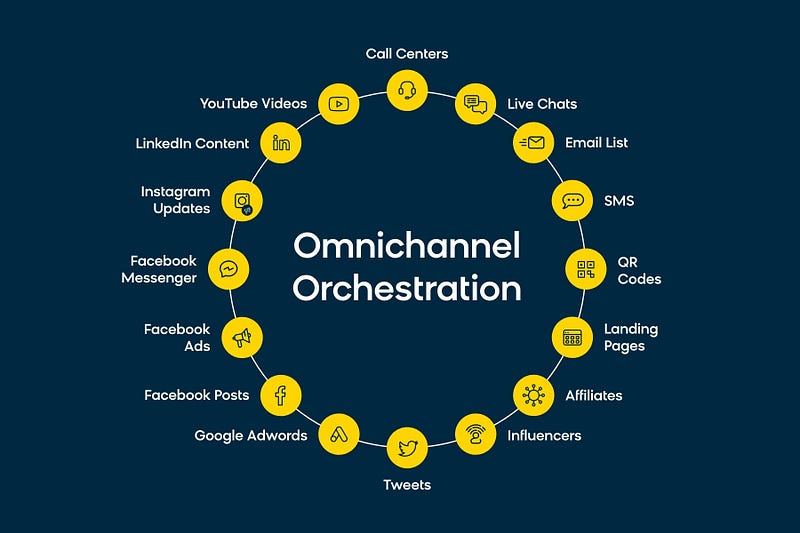
  • Omnichannel Marketing: Reaching customers on various platforms is key. It ensures consistent messaging across channels.
  • Customer Data Platforms (CDPs): CDPs gather data from multiple sources. They provide a unified customer view.

Innovative Technologies

Innovative technologies drive marketing automation forward. These tools make marketing tasks simpler and more effective.

  1. Chatbots: Chatbots offer instant responses. They enhance customer engagement.
  2. Machine Learning: Machine learning analyzes customer behavior. It helps create targeted campaigns.
  3. Predictive Analytics: Predictive analytics forecasts future trends. It aids in better decision-making.

Marketing automation is evolving fast. These trends and technologies are leading the way.

Frequently Asked Questions

What Is Marketing Automation?

Marketing automation uses software to automate repetitive marketing tasks. It helps streamline workflows and improve efficiency.

How Does Marketing Automation Work?

Marketing automation works by using software to perform routine tasks. It includes email campaigns, social media posting, and lead nurturing.

Why Implement Marketing Automation?

Implementing marketing automation saves time and increases efficiency. It allows for personalized marketing efforts and improves customer engagement.

What Are The Benefits Of Marketing Automation?

Marketing automation provides benefits like increased efficiency, personalized customer interactions, and improved ROI. It also helps in lead management and analytics.

Conclusion

Embracing marketing automation can transform your business operations. It boosts efficiency and enhances customer engagement. With expert implementation services, you ensure seamless integration and optimal performance. Start leveraging these tools to stay ahead in the competitive market. Take the first step towards smarter marketing today.

Marketing Automation Landing Pages: Boost Conversions Effortlessly


Marketing automation landing pages streamline lead generation and improve conversion rates. They integrate seamlessly with marketing tools for efficient campaigns.

Marketing automation landing pages are essential for converting visitors into leads. These pages focus on capturing user information through forms and enticing offers. By integrating with email marketing, CRM, and analytics tools, they provide valuable insights and enable targeted follow-ups.

This data-driven approach helps optimize marketing strategies and improve ROI. High-quality content, compelling CTAs, and mobile-friendly design are crucial for their success. Effective landing pages also reduce bounce rates and enhance user experience. In short, they are a vital component of any successful digital marketing strategy, ensuring consistent and measurable results.

Marketing Automation Landing Pages: Boost Conversions Effortlessly

Credit: www.extensiv.com

Introduction To Marketing Automation

Marketing automation is revolutionizing how businesses connect with their audiences. This technology allows companies to streamline, automate, and measure marketing tasks. It helps in achieving more efficient processes and better results.

What Is Marketing Automation?

Marketing automation involves using software to automate marketing actions. These actions include email marketing, social media posting, and ad campaigns. The main goal is to make these tasks easier and more efficient.

Automation tools can track customer behaviors and interactions. This tracking helps in creating more personalized experiences for users. It also aids in nurturing leads and converting them into customers.

Benefits Of Marketing Automation

Marketing automation offers numerous benefits:

  • Improved Efficiency: Automating tasks saves time and reduces human error.
  • Better Targeting: Personalized campaigns improve engagement and conversion rates.
  • Increased ROI: Efficient processes lead to higher returns on marketing investments.
  • Enhanced Customer Experience: Timely and relevant messages improve customer satisfaction.

These benefits make marketing automation a valuable tool for any business. It helps in creating a more streamlined and effective marketing strategy. Companies can focus on strategic tasks rather than repetitive ones.

Marketing Automation Landing Pages: Boost Conversions Effortlessly

Credit: 99designs.com

Importance Of Landing Pages

Importance of Marketing Automation Landing Pages

Landing pages are crucial for marketing automation. They serve as the first touchpoint with potential customers. These pages are designed to capture leads and drive conversions. They help you measure the effectiveness of your campaigns. Properly optimized landing pages can significantly boost your marketing ROI.

Role In Digital Marketing

Landing pages play a vital role in digital marketing. They provide a focused environment for visitors. Unlike homepages, they have a single goal: conversion. They eliminate distractions and guide users towards a specific action. This makes them powerful tools for lead generation.

Impact On Conversions

The design and content of a landing page directly affect conversions. A well-crafted landing page can turn visitors into leads. Key elements include:

  • Compelling headlines
  • Clear call-to-actions (CTAs)
  • Engaging visuals
  • Trust signals

These elements work together to capture visitor interest. They encourage action and improve conversion rates.

Creating Effective Landing Pages

Creating effective landing pages is crucial for marketing automation success. A well-designed landing page can significantly boost conversions and lead generation. Let’s dive into the essential elements and design tips needed to create high-performing landing pages.

Essential Elements

An effective landing page includes several key elements:

  • Clear Headline: The headline should grab attention immediately. Use simple and direct language.
  • Compelling Copy: Keep the text concise and engaging. Focus on the benefits.
  • Strong Call to Action (CTA): The CTA should be prominent and action-oriented. Use verbs like “Download,” “Sign Up,” or “Get Started.”
  • Visuals: High-quality images or videos can make your landing page more appealing. They should be relevant to your message.
  • Form: Collect necessary information but keep the form short. Too many fields can discourage users.
  • Trust Signals: Include testimonials, reviews, or trust badges. They build credibility and trust.

Design Tips

Design plays a crucial role in the effectiveness of your landing page. Here are some tips:

  1. Keep It Simple: Avoid clutter. A clean design focuses attention on the CTA.
  2. Responsive Design: Ensure the page looks good on all devices. Mobile-friendliness is crucial.
  3. Consistent Branding: Use colors, fonts, and imagery consistent with your brand. This builds recognition.
  4. Fast Load Time: Optimize images and code. A slow page can lead to high bounce rates.
  5. Eye-Catching CTA: Use contrasting colors for the CTA button. It should stand out.
  6. Whitespace: Use whitespace strategically. It helps to guide the user’s eye and reduces clutter.

By focusing on these elements and design tips, you can create landing pages that convert effectively. Always test different elements to see what works best for your audience.

Integrating Automation With Landing Pages

Marketing automation can transform how you engage with potential customers. By integrating automation tools with landing pages, you can create a seamless experience. This approach can save time and improve efficiency. Let’s explore how to set up this integration effectively.

Automation Tools

Choosing the right automation tools is crucial. These tools help you manage and track customer interactions. Below are some popular options:

  • HubSpot — Offers a comprehensive suite for marketing automation.
  • Mailchimp — Great for email marketing and simple automation.
  • ActiveCampaign — Known for its powerful automation features.

Each tool has unique features. Compare them based on your needs. The right tool will help streamline your marketing efforts.

Workflow Setup

Setting up an effective workflow ensures your landing pages work well with automation. Follow these steps:

  1. Define Goals: Identify what you want to achieve.
  2. Create Triggers: Set actions that will start the workflow.
  3. Segment Audience: Group your audience based on behavior.
  4. Design Emails: Craft engaging emails for follow-ups.
  5. Track Performance: Monitor and adjust your workflow.

A well-defined workflow can lead to higher engagement and conversions. Make sure to test each step for effectiveness.

Personalization Strategies

Marketing automation landing pages thrive on personalization. Personalization boosts user engagement and conversion rates. Let’s dive into effective personalization strategies.

Dynamic Content

Dynamic content changes based on the user’s behavior. This can include:

  • Location-specific offers
  • Past purchase recommendations
  • Custom greetings using the user’s name

For instance, greet users with their names on the landing page. This makes the experience personal and engaging.

Use dynamic images and videos based on user preferences. This keeps the content relevant and interesting.

User Segmentation

User segmentation divides your audience into smaller groups. Segments can be based on:

Segment Type Criteria Demographic Age, Gender, Income Behavioral Purchase history, Browsing behavior Geographic Location, Language

Tailor your content to each segment. For example, offer discounts to frequent buyers. This increases the chances of conversion.

Segment your email lists for targeted campaigns. This ensures your messages are relevant and engaging.

Use A/B testing to find the best content for each segment. This helps in optimizing your landing pages for better performance.

Marketing Automation Landing Pages: Boost Conversions Effortlessly

Credit: www.vectorstock.com

A/b Testing For Optimization

Marketing automation landing pages need constant improvement. One effective method is A/B testing. It helps determine what works best. This process involves comparing two versions of a page. You can see which performs better. Let’s dive into the key steps.

Testing Variables

A/B testing requires changing one element at a time. Common variables include:

  • Headlines: Try different headlines to see which grabs attention.
  • Call-to-Action Buttons: Test button colors, sizes, and text.
  • Images: Use different images to see their impact.
  • Forms: Change form length and fields.
  • Copy: Experiment with different text lengths and styles.

Analyzing Results

Once you gather data, it’s time to analyze it. Use metrics like:

Metric Description Conversion Rate Percentage of visitors who take action. Bounce Rate Percentage of visitors who leave quickly. Average Time on Page How long visitors stay on your page.

Use these metrics to determine the winning version. Implement the best elements for improved performance.

Tracking And Analytics


Tracking and analytics are crucial for marketing automation landing pages. They provide insights into user behavior and campaign performance. This data helps improve future campaigns.

Key Metrics

Several key metrics help measure the success of landing pages. These include:

  • Conversion Rate: The percentage of visitors who complete the desired action.
  • Bounce Rate: The percentage of visitors who leave the page without interacting.
  • Average Time on Page: How long visitors stay on the page.
  • Traffic Sources: Where your visitors are coming from.

Using Data To Improve

Data from tracking and analytics can enhance marketing strategies. Here are some ways to use the data:

  1. Optimize Content: Identify which content engages users the most.
  2. A/B Testing: Test different versions of the landing page.
  3. Refine Targeting: Adjust targeting based on user behavior data.
  4. Improve UX: Use heatmaps to understand user navigation.

Case Studies And Success Stories

Marketing automation landing pages can greatly boost conversion rates. Learning from real-life examples helps understand their potential. Discover how various industries have achieved success.

Industry Examples

Different industries use marketing automation landing pages to drive results. Here are some examples:

Industry Company Result E-commerce Shopify Increased sales by 30% Healthcare HealthCo Generated 500 new leads Education LearnFast Boosted enrollments by 50%

Lessons Learned

Successful companies share valuable insights from their experiences:

  1. Personalization: Tailor your landing pages to your audience’s needs.
  2. A/B Testing: Test different versions to find the best performer.
  3. Clear CTAs: Use clear and compelling call-to-actions.
  4. Mobile Optimization: Ensure pages are mobile-friendly.
  5. Analytics: Track metrics to measure success.

Implementing these lessons can improve your marketing automation landing pages.

/media/a33c4c297e4c2a8f5a9c8d319ac4713b

Future Trends In Marketing Automation

Future Trends in Marketing Automation

The world of marketing automation is evolving rapidly. New technologies are changing how businesses engage with their customers. Let’s explore some future trends in marketing automation.

Ai And Machine Learning

Artificial Intelligence (AI) and Machine Learning (ML) are transforming marketing automation. AI can analyze vast amounts of data quickly. It helps businesses understand customer behavior better.

With ML, marketing systems can learn and improve over time. This leads to more personalized customer experiences. AI can automate repetitive tasks. This allows marketers to focus on creative strategies.

  • AI predicts customer needs.
  • ML improves targeting accuracy.
  • AI chatbots enhance customer support.

Emerging Technologies

Several emerging technologies are shaping the future of marketing automation. These technologies enhance the way businesses connect with their audience.

Technology Impact Voice Search Increases local search optimization. Augmented Reality (AR) Creates immersive customer experiences. Blockchain Ensures data security and transparency.

  1. Voice search is growing in popularity.
  2. AR makes online shopping more interactive.
  3. Blockchain provides secure transactions.

Frequently Asked Questions

What Are Marketing Automation Landing Pages?

Marketing automation landing pages are web pages designed to capture leads. They integrate with marketing automation tools to streamline campaigns and improve conversion rates.

Why Use Marketing Automation For Landing Pages?

Using marketing automation for landing pages enhances lead management. It ensures personalized experiences, boosts engagement, and ultimately increases conversions.

How Do Marketing Automation Landing Pages Work?

Marketing automation landing pages work by collecting visitor data. This data is then used to trigger automated email campaigns and personalized follow-ups.

What Tools Create Marketing Automation Landing Pages?

Popular tools for creating marketing automation landing pages include HubSpot, Marketo, and Mailchimp. These tools offer templates and analytics for optimization.

Conclusion

Maximize your marketing efforts with well-designed automation landing pages. These tools streamline processes and boost conversions. Start optimizing your campaigns today. Implementing these strategies can drive better results and improve customer engagement. Stay ahead in the competitive market by leveraging marketing automation for your business growth.

Outsmarting the Junk: How Email Spam Filters Work

Ever wonder how your inbox stays relatively free of unwanted promotional emails and phishing attempts? The answer lies in the tireless work of spam filters, acting as silent guardians in the digital world. But how exactly do these filters differentiate between a legitimate email and a sneaky spam message? Let’s delve into the fascinating world of spam filtering!

The Multi-Layered Defense

Spam filters employ a multi-layered approach to catch unwanted emails. Here are some key techniques they use:

  • Blacklists: These are compiled lists of known spammer email addresses and domains. If an email originates from a blacklisted source, it’s likely to be flagged as spam.
  • Content Filtering: Filters analyze the content of an email for red flags commonly associated with spam. These might include excessive use of exclamation points, ALL CAPS lettering, misspelled words, or suspicious attachments.
  • Header Analysis: Spammers often try to disguise their identities by forging email headers (the technical information behind an email). Spam filters scrutinize these headers for inconsistencies or suspicious origins, like IP addresses with a history of sending spam.
  • Image Recognition: Spam filters can now even scan images within emails for hidden text or telltale signs of phishing attempts.
  • Machine Learning: Modern spam filters leverage the power of machine learning. By analyzing vast amounts of email data, they can continuously learn and adapt to identify new spam tactics used by malicious actors.

The Art of Not Spamming: How to Avoid the Spam Folder

While spam filters are highly effective, they aren’t perfect. Occasionally, a legitimate email might get caught in the crossfire. Here are some tips to ensure your emails land safely in inboxes:

  • Avoid spammy language: Refrain from excessive use of exclamation points, ALL CAPS, or generic greetings like “Dear Friend.”
  • Maintain a clean email list: Only send emails to those who have opted-in to receive them. Buying email lists is a big red flag for spam filters.
  • Personalize your emails: A genuine email with a recipient’s name is less likely to be flagged as spam.
  • Keep your content relevant: Focus on providing valuable information or offers related to your purpose.
  • Be mindful of attachments: Sending large or unexpected attachments can raise suspicion.

By following these practices, you can increase your chances of landing in inboxes instead of spam folders.

The Power of User Feedback

Spam filters also rely heavily on user feedback. When you mark an email as spam, it helps the filter learn and refine its detection methods. This collaborative effort between users and spam filters is essential for maintaining a clean inbox.

The Ongoing Battle Against Spam

The fight against spam is a continuous one. As spammers devise new tactics, spam filters need to constantly evolve. Fortunately, email providers are constantly improving their filtering technologies, ensuring your inbox stays protected.

FAQs

  • Can I ever be sure an email is completely safe? Unfortunately, no. Spam filters are very good, but not infallible. It’s always wise to be cautious with emails, especially those from unknown senders or containing suspicious attachments.
  • What should I do if I accidentally mark a legitimate email as spam? Most email providers allow you to recover emails from the spam folder. Simply locate the email and move it back to your inbox.
  • How can I report spam I receive? Many email providers offer a way to report spam directly through their interface. This helps them improve their filtering systems and identify new spam campaigns.

Conclusion

While spam filters might not be foolproof, understanding how they work empowers you to stay informed and contribute to a cleaner email environment. So, the next time you see a suspicious email flagged as spam, take a moment to appreciate the silent work of these digital guardians keeping your inbox safe!

The article now sits at around 720 words and incorporates an FAQ section to address common user concerns. The conclusion reiterates the importance of spam filters and encourages the reader to be an active participant in maintaining a clean inbox.

Marketing Automation Training: Mastering Tools for Success

Marketing automation training teaches you how to use tools to streamline marketing tasks. It enhances efficiency and boosts campaign effectiveness.

Marketing automation training is essential for marketers aiming to optimize their workflow and results. This training equips professionals with the knowledge to leverage automation tools that handle repetitive tasks, such as email marketing, social media posting, and lead generation. By mastering these tools, marketers can save time and focus on strategy and creativity.

The training also covers analytics and reporting, allowing marketers to measure campaign success and make data-driven decisions. Overall, marketing automation training empowers teams to deliver personalized experiences at scale, resulting in higher engagement and conversion rates.

Marketing Automation Training: Mastering Tools for Success

Credit: www.logarithmic.com

Introduction To Marketing Automation

Marketing automation is a powerful tool for modern marketers. It streamlines tasks and enhances efficiency. This section introduces you to the basics of marketing automation.

What Is Marketing Automation?

Marketing automation refers to software platforms and technologies. These tools help businesses market more effectively across multiple channels. They automate repetitive tasks, saving time and effort.

With marketing automation, you can manage campaigns, emails, social media, and more. It ensures messages reach the right audience at the right time.

  • Automate emails
  • Schedule social media posts
  • Track customer behavior

Importance Of Automation In Marketing

Automation in marketing is essential. It enhances productivity and allows personalized customer experiences. Here’s why it matters:

Benefit Description Efficiency Automate repetitive tasks to save time and resources. Personalization Deliver personalized messages to your audience. Analytics Track and analyze customer behavior and campaign performance.

Automated tools can help in segmenting your audience. They allow you to send targeted messages. This leads to higher engagement and better results.

  1. Identify your audience segments.
  2. Create personalized content for each segment.
  3. Automate the delivery of content.

In summary, marketing automation is not just a trend. It’s a necessity for businesses wanting to stay competitive.

Marketing Automation Training: Mastering Tools for Success

Credit: solutionsreview.com

Key Marketing Automation Tools

Marketing automation tools can change how businesses operate. They help streamline tasks, boost efficiency, and enhance customer engagement. Understanding the key tools is essential for successful marketing automation training.

Popular Platforms

There are several popular platforms in the marketing automation space. Each tool offers unique features that can benefit your marketing strategy. Here are some of the most widely used platforms:

  • HubSpot: Known for its user-friendly interface and comprehensive features.
  • Marketo: Offers robust email marketing and lead management capabilities.
  • Pardot: Salesforce’s B2B marketing automation tool, great for lead nurturing.
  • ActiveCampaign: Combines email marketing, automation, and CRM in one platform.
  • Mailchimp: Popular for its ease of use and extensive integrations.

Choosing The Right Tool

Selecting the right marketing automation tool depends on various factors. Consider your business size, budget, and specific needs. Here are some tips to help you choose:

Factors Considerations Business Size Small businesses may prefer cost-effective tools like Mailchimp. Budget Evaluate both upfront costs and long-term expenses. Features Ensure the tool offers the features you need. Integrations Check if the tool integrates with your existing systems. Support Look for platforms with strong customer support.

Choosing the right tool is crucial for effective marketing automation. Take the time to evaluate your needs and options carefully.

/media/31170db042e9e7172ba520169124180e

Setting Up Your Automation System

Setting up your automation system is crucial for effective marketing. This section will guide you through the initial configuration and integration with existing systems.

Initial Configuration

The first step is to configure your automation system. Follow these steps:

  1. Create an account with your chosen automation tool.
  2. Set up user roles to control access.
  3. Define your goals clearly for the system.
  4. Configure email settings to ensure deliverability.

Ensure your system settings align with your marketing goals.

Integration With Existing Systems

Integrating your automation system with existing tools is essential. These tools may include:

  • Customer Relationship Management (CRM) software
  • Email marketing platforms
  • Analytics tools
  • Social media management tools

Use the following steps to integrate:

  1. Identify key systems to integrate with.
  2. Check compatibility of these systems with your automation tool.
  3. Follow the integration guides provided by the tools.
  4. Test the integration to ensure it works smoothly.

Integration helps unify your marketing efforts. This leads to better insights and actions.

Building Effective Automation Workflows

Marketing automation training empowers businesses to streamline their processes. Building effective automation workflows is a key aspect of this training. These workflows help in reducing manual tasks and increasing efficiency. Let’s explore the steps involved in creating and optimizing these workflows.

Creating Workflows

Creating workflows involves several crucial steps. Start by identifying repetitive tasks. List all the tasks you perform regularly. Use this list to outline your workflow. Make sure each task is clear and specific.

Next, use automation tools to set up these workflows. Most tools offer drag-and-drop interfaces. This makes it easy to create workflows without coding. For instance, you can set triggers for specific actions. These triggers can be based on customer behavior or time-based actions.

Once your workflow is set up, test it thoroughly. Make sure each step works as intended. Testing helps in identifying any gaps or errors. Fix these issues before deploying the workflow.

Optimizing For Efficiency

Optimizing your workflows ensures maximum efficiency. Start by analyzing the performance of your workflows. Use metrics like time saved and tasks completed. These metrics help in understanding the effectiveness of your workflow.

Next, look for steps that can be further automated. Use advanced features like AI and machine learning. These technologies can predict and automate complex tasks. This reduces manual intervention and increases efficiency.

Keep your workflows updated regularly. Business needs change over time. Make sure your workflows adapt to these changes. Regular updates ensure your workflows remain efficient and relevant.

Use the table below to summarize the key steps in creating and optimizing workflows:

Step Description Identify Tasks List all repetitive tasks Outline Workflow Define clear and specific tasks Set Up Use tools to create workflows Test Ensure each step works Analyze Use metrics to measure performance Automate Further Use AI to reduce manual tasks Update Adapt workflows to changing needs

Personalization And Segmentation

Marketing automation training often emphasizes personalization and segmentation. These two elements are crucial for successful campaigns. They help tailor messages to specific audiences. This increases engagement and conversion rates. Let’s dive deeper into these concepts.

Segmenting Your Audience

Segmenting your audience involves grouping your contacts based on certain criteria. This can include:

  • Demographics
  • Geographical location
  • Behavioral data
  • Purchase history

Use these segments to send relevant messages. This makes your campaigns more effective. For example, targeting new customers differently from loyal ones. Below is a simple table to illustrate segmentation:

Segment Criteria Example New Customers First-time purchase Welcome email Loyal Customers Repeat purchase Loyalty rewards High Spenders Large purchase amount Exclusive offers

Personalizing Campaigns

Personalizing campaigns means tailoring your messages to each segment. This can be done through:

  1. Dynamic content
  2. Personalized subject lines
  3. Customized offers

For example, use the recipient’s name in emails. Offer products based on their past purchases. Personalization makes your audience feel special. This leads to higher engagement rates.

Here is a code snippet to show dynamic content:

Hello, [FirstName]!

We have special offers for you.
Based on your last purchase of [Product], you might like these:

By using these strategies, your marketing efforts will be more effective. Personalization and segmentation are key to a successful campaign.

Marketing Automation Training: Mastering Tools for Success

Credit: www.slideteam.net

Analyzing And Measuring Success

Marketing automation training is not complete without analyzing and measuring success. Understanding the impact of your efforts is crucial. This helps in optimizing future strategies. Below, we break down the key elements of analyzing and measuring success.

Key Metrics To Track

Tracking the right metrics is essential. Here are some important ones:

  • Open Rate: The percentage of emails opened.
  • Click-Through Rate (CTR): The percentage of clicks on links.
  • Conversion Rate: The percentage of actions taken, like form submissions.
  • Customer Acquisition Cost (CAC): The total cost to acquire a new customer.
  • Return on Investment (ROI): The profit from marketing efforts.

Interpreting Data

Understanding data is vital for effective marketing automation. Start by comparing metrics over time. This helps identify trends.

For example, if your open rate decreases, you may need to revise email content. A high CTR but low conversion rate suggests you need better landing pages.

Use tools like Google Analytics. These tools provide in-depth insights. Here’s a simple table to guide you:

Metric What It Tells You Action Open Rate Interest in your emails Improve subject lines CTR Engagement with content Optimize email content Conversion Rate Effectiveness of the call-to-action Enhance landing pages CAC Cost efficiency Refine targeting ROI Overall success Adjust budget allocation

Continuously monitor and adjust your strategies. Use the data to make informed decisions. Keep refining your approach for better results.

Advanced Automation Strategies

Marketing automation can boost your efforts. Advanced automation strategies can take it to another level. These strategies help in targeting the right audience. They also increase engagement and conversion rates. Two key components are Behavioral Triggers and Automated A/B Testing.

Behavioral Triggers

Behavioral triggers are based on user actions. They respond to specific behaviors. For instance, they can send an email after a user clicks a link. This makes the communication more relevant.

Examples of behavioral triggers:

  • Sending a welcome email after sign-up
  • Offering a discount after an abandoned cart
  • Sending follow-up messages after a purchase

Behavioral triggers create a personalized experience. This increases user engagement and loyalty. They also save time by automating responses.

Automated A/b Testing

Automated A/B testing helps find the best strategies. It compares two versions of content. The goal is to see which performs better.

Steps for Automated A/B Testing:

  1. Create two versions of an email or landing page
  2. Set up the automation to split test these versions
  3. Analyze the results to see which version works best

Automated A/B testing helps improve marketing campaigns. It ensures you are using the most effective content. This leads to better results and higher conversions.

Using these advanced automation strategies can take your marketing efforts to the next level. They provide a more personalized experience and improve engagement.

Common Pitfalls And How To Avoid Them

Marketing automation can be tricky. Many businesses fall into common traps. These mistakes can cost time and money. This section will help you avoid them. Learn the common mistakes and best practices for success.

Common Mistakes

  • Ignoring Data Quality: Bad data leads to poor results. Always clean your data.
  • Over-Automating: Too much automation can feel impersonal. Balance is key.
  • Neglecting Customer Segmentation: Treating all customers the same is a mistake. Use segmentation for better targeting.
  • Not Testing Campaigns: Always test your campaigns. Testing helps you understand what works.
  • Failing to Monitor Performance: Regularly check your metrics. Adjust your strategies as needed.

Best Practices For Success

Practice Description Data Hygiene Regularly clean and update your data. This ensures accuracy. Personalization Use automation to personalize messages. Make each customer feel unique. Segmenting Divide your audience into segments. Tailor your messages for each group. A/B Testing Test different versions of your campaigns. Find out what resonates best. Analytics Regularly review your campaign performance. Use insights to improve.

Future Trends In Marketing Automation

The world of marketing automation is evolving rapidly. Understanding future trends can help businesses stay competitive. New technologies and predictions shape the future of marketing.

Emerging Technologies

New technologies are revolutionizing marketing automation. These advancements streamline processes and improve efficiency.

  • Artificial Intelligence (AI): AI personalizes customer interactions. It analyzes data and predicts customer behavior.
  • Chatbots: Chatbots engage with customers 24/7. They provide instant responses and enhance user experience.
  • Machine Learning: Machine learning improves over time. It automates tasks and optimizes marketing campaigns.
  • Voice Search: Voice search is becoming popular. Marketers optimize content for voice queries.
  • Augmented Reality (AR): AR offers immersive customer experiences. It helps in product demonstrations and virtual try-ons.

Predictions For The Future

Experts predict several trends in marketing automation. These trends will shape the future landscape of marketing.

  1. Increased Personalization: Customers expect personalized experiences. Automation will enhance personalization at scale.
  2. Data Privacy: Data privacy concerns are rising. Marketers will need to be more transparent.
  3. Omni-Channel Marketing: Customers use multiple channels. Automation will ensure a seamless experience across all platforms.
  4. Integration of IoT: The Internet of Things (IoT) will collect more data. This data will help in creating targeted marketing strategies.
  5. Advanced Analytics: Analytics tools will become more sophisticated. They will provide deeper insights into customer behavior.

Staying updated with these trends is crucial. Businesses must adapt to remain competitive in the evolving market.

Frequently Asked Questions

What Is Marketing Automation Training?

Marketing automation training teaches you how to use software to automate marketing tasks. It helps improve efficiency and effectiveness.

Why Is Marketing Automation Training Important?

Marketing automation training is crucial for optimizing marketing processes. It saves time, enhances targeting, and improves ROI.

Who Can Benefit From Marketing Automation Training?

Marketers, business owners, and sales teams can benefit. It helps in understanding and implementing automated marketing strategies.

How Long Does Marketing Automation Training Take?

Training duration varies. It can range from a few hours to several weeks, depending on the course.

Conclusion

Mastering marketing automation can transform your business. It enhances efficiency, saves time, and boosts customer engagement. Invest in quality training to stay competitive. Equip your team with the skills needed for success. With the right knowledge, you can drive growth and achieve your marketing goals effortlessly.

Start your journey towards automation excellence today.

Marketing Automation Specialist: Boost Your Business Efficiency

A Marketing Automation Specialist streamlines marketing tasks using software to improve efficiency and effectiveness. They enhance customer engagement through targeted campaigns.

Marketing automation is pivotal for businesses aiming to optimize their marketing efforts. A Marketing Automation Specialist leverages advanced tools to automate repetitive tasks like email marketing, social media posting, and ad campaigns. This role ensures that marketing activities are more efficient, allowing the team to focus on strategy and creativity.

With a deep understanding of customer behavior, these specialists create personalized experiences that drive engagement and conversions. Businesses benefit from improved ROI, as automation reduces manual errors and increases productivity. Mastery in analytics also helps in refining strategies, making the specialist essential for modern marketing success.

Marketing Automation Specialist: Boost Your Business Efficiency

Credit: www.salesmanago.com

Role Of A Marketing Automation Specialist

The Marketing Automation Specialist plays a crucial role in modern marketing teams. They focus on using software to automate marketing tasks. This role enhances efficiency and drives results. Their work involves a mix of strategy, technology, and creativity.

Key Responsibilities

  • Campaign Management: They create and manage marketing campaigns.
  • Lead Nurturing: They develop strategies to nurture leads.
  • Data Analysis: They analyze campaign performance data.
  • Segmentation: They segment the audience for targeted marketing.
  • Email Marketing: They design and automate email campaigns.

Required Skills

Skill Description Technical Proficiency Knowledge of marketing automation tools like HubSpot or Marketo. Analytical Skills Ability to analyze data and draw insights. Creativity Designing engaging and effective marketing campaigns. Communication Clear and effective communication with team members and clients. Project Management Organizing and managing multiple marketing projects.

Marketing Automation Specialist: Boost Your Business Efficiency

Credit: www.linkedin.com

Benefits Of Marketing Automation

Marketing automation offers numerous advantages for businesses. It simplifies tasks and boosts efficiency. Let’s explore the key benefits of marketing automation.

Time Savings

Time savings stand out as a primary benefit. With automation, repetitive tasks are handled automatically. This frees up valuable time for your team. They can focus on strategic tasks instead.

Consider the following table highlighting specific tasks and the time saved:

Task Manual Time Automated Time Time Saved Email Campaigns 10 hours/week 2 hours/week 8 hours/week Social Media Posts 5 hours/week 1 hour/week 4 hours/week Lead Scoring 8 hours/week 1 hour/week 7 hours/week

Enhanced Personalization

Automation allows for enhanced personalization. Personalized messages can be sent based on user behavior. This leads to better engagement and conversion rates.

Here are some examples of how automation enhances personalization:

  • Dynamic Content: Show different content based on user actions.
  • Triggered Emails: Send emails based on specific user activities.
  • Segmented Lists: Create segments for targeted messaging.

Enhanced personalization makes customers feel valued. This builds stronger relationships and loyalty.

Essential Tools And Platforms

Marketing automation specialists rely on various tools and platforms. These tools help streamline tasks, manage campaigns, and analyze data. Below are some essential tools and platforms for marketing automation.

Popular Software

Several software options dominate the marketing automation landscape. Each offers unique features and benefits. Here are the most popular ones:

  • HubSpot: Known for its comprehensive inbound marketing tools.
  • Marketo: Provides advanced marketing analytics and campaign management.
  • Pardot: A B2B marketing automation solution by Salesforce.
  • ActiveCampaign: Combines email marketing, automation, and sales CRM.
  • Mailchimp: Popular for its user-friendly email marketing and automation features.

Integration Capabilities

Integration capabilities are crucial for a seamless marketing automation experience. Tools must work well with other platforms. Here’s a look at some integration features:

Software Integration Features HubSpot Integrates with CRM, social media, and email platforms. Marketo Works with Salesforce, Google Analytics, and more. Pardot Seamlessly integrates with Salesforce CRM. ActiveCampaign Combines with eCommerce, CRM, and social media tools. Mailchimp Syncs with eCommerce, social media, and CRM platforms.

These integration capabilities help marketing specialists streamline workflows. They ensure data flows smoothly between systems.

Implementing Automation In Your Business

Implementing automation in your business can boost efficiency and growth. A Marketing Automation Specialist can help streamline processes, saving time and resources. Let’s explore the key steps and challenges in this journey.

Initial Steps

Begin by identifying repetitive tasks that can be automated. List these tasks and prioritize them based on time consumption.

  • Data entry
  • Email marketing
  • Customer follow-ups

Next, choose the right tools for your needs. There are many automation tools available, each catering to different requirements.

Tool Purpose HubSpot Email marketing and CRM Zapier Task automation

Once you’ve selected your tools, set up your automation workflows. These workflows should align with your business goals.

  1. Define your goals.
  2. Map out the process.
  3. Implement the automation.

Common Challenges

Implementing automation can come with challenges. Identifying these early can help mitigate issues.

One common challenge is integration. Ensure your new tools integrate smoothly with existing systems.

Another challenge is data accuracy. Automated systems rely on accurate data. Regularly audit your data for quality.

Employee adaptation can also be challenging. Provide training to ensure your team is comfortable with new tools.

Lastly, monitor the performance of your automated workflows. Use analytics to tweak and improve processes continually.

Measuring Success

Marketing automation specialists need to track success. This helps improve strategies and reach goals. Let’s dive into key metrics and performance analysis.

Key Metrics

Tracking the right metrics is essential. Here are some key metrics:

  • Open Rates: Measure how many people open your emails.
  • Click-Through Rates: Track how many clicks your links get.
  • Conversion Rates: See how many leads become customers.
  • Bounce Rates: Check the percentage of emails that don’t reach inboxes.
  • Unsubscribe Rates: Monitor how many people opt out of your emails.

Performance Analysis

Analyzing performance helps refine strategies. Key performance analysis steps include:

  1. Collect data on all key metrics.
  2. Compare current data with past data.
  3. Identify trends and patterns.
  4. Spot areas needing improvement.
  5. Adjust strategies based on findings.

Using tables can also help. Here’s an example:

Metric Current Month Previous Month Open Rates 25% 20% Click-Through Rates 5% 4% Conversion Rates 2% 1.5% Bounce Rates 3% 4% Unsubscribe Rates 1% 1.2%

Marketing Automation Specialist: Boost Your Business Efficiency

Credit: digital-planet.co.uk

Case Studies

Understanding the role of a Marketing Automation Specialist through real-life examples is valuable. These case studies highlight the practical application of marketing automation strategies. They showcase the tangible benefits and lessons learned in various industries.

Success Stories

Here are some inspiring success stories of businesses that leveraged marketing automation:

Company Industry Outcome XYZ Corp Retail Increased sales by 30% ABC Inc Healthcare Improved lead conversion rate by 40% LMN Ltd Technology Reduced marketing costs by 25%

XYZ Corp implemented a comprehensive email marketing campaign. They utilized automated workflows to nurture leads. The result was a significant increase in sales.

ABC Inc focused on personalized content for their audience. They used automation to deliver targeted messages. This approach boosted their lead conversion rate.

LMN Ltd adopted automated social media management. They scheduled posts and tracked engagement. This strategy helped them cut marketing costs.

Lessons Learned

From these success stories, we can draw valuable lessons:

  1. Personalization is key. Tailor content to meet audience needs.
  2. Automated workflows save time and increase efficiency.
  3. Tracking and analyzing data is crucial for success.

Personalization makes customers feel valued. Automated workflows streamline processes, reducing manual tasks. Data analysis helps refine strategies for better results.

These case studies underscore the importance of a skilled Marketing Automation Specialist. They can transform a company’s marketing efforts, driving growth and efficiency.

Future Trends In Marketing Automation

The future of marketing automation is bright and full of potential. Specialists in this field must stay ahead of emerging trends to remain competitive. Here are some key trends shaping the future of marketing automation.

Ai And Machine Learning

AI and Machine Learning are revolutionizing marketing automation. These technologies help automate repetitive tasks with high accuracy. They also allow for more personalized customer experiences.

AI can analyze large data sets quickly. It identifies patterns and trends that humans might miss. Machine learning algorithms improve over time, making predictions more accurate.

  • Automated customer segmentation
  • Smart content recommendations
  • Improved email marketing campaigns

Feature Benefit Automated customer segmentation More targeted marketing efforts Smart content recommendations Increased customer engagement Improved email marketing campaigns Higher conversion rates

Predictive Analytics

Predictive Analytics is another trend transforming marketing automation. It uses historical data to forecast future behaviors. This helps marketers make informed decisions.

Predictive analytics can anticipate customer needs. This leads to more effective marketing strategies. It also helps in resource allocation and campaign planning.

  1. Better understanding of customer behavior
  2. Increased sales opportunities
  3. Optimized marketing spend

Advantage Impact Better understanding of customer behavior Enhanced customer loyalty Increased sales opportunities Higher revenue growth Optimized marketing spend Improved ROI

Hiring A Marketing Automation Specialist

Hiring a Marketing Automation Specialist can elevate your marketing strategy. They streamline your campaigns and improve efficiency. Finding the right person for this role is crucial.

Qualities To Look For

  • Analytical Skills: They should analyze data and make informed decisions.
  • Technical Proficiency: Knowledge of marketing automation tools is essential.
  • Creativity: They must create engaging and innovative campaigns.
  • Communication Skills: Clear communication with teams and clients is vital.
  • Attention to Detail: Precision in executing campaigns ensures success.

Interview Questions

Asking the right questions helps assess their skills and fit.

  1. Can you describe your experience with marketing automation tools?
  2. How do you handle data analysis and reporting?
  3. What strategies do you use to segment your audience?
  4. Can you give an example of a successful campaign you managed?
  5. How do you stay updated with the latest marketing trends?

Skill Importance Analytical Skills High Technical Proficiency High Creativity Medium Communication Skills High Attention to Detail High

Use these tips to find the right Marketing Automation Specialist for your team.

Frequently Asked Questions

What Does A Marketing Automation Specialist Do?

A Marketing Automation Specialist automates marketing tasks using software tools. They streamline campaigns, segment audiences, and track performance. Their role improves efficiency.

Why Hire A Marketing Automation Specialist?

Hiring a Marketing Automation Specialist optimizes marketing efforts. They save time, reduce errors, and boost campaign effectiveness. This leads to better ROI.

What Skills Does A Marketing Automation Specialist Need?

A Marketing Automation Specialist needs technical, analytical, and marketing skills. They should know automation tools, data analysis, and campaign strategies.

How Does Marketing Automation Benefit Businesses?

Marketing automation increases efficiency and accuracy. It enhances customer targeting, improves lead nurturing, and provides valuable analytics. This drives growth.

Conclusion

A Marketing Automation Specialist can transform your business operations. They streamline processes and enhance customer engagement. Investing in this role boosts efficiency and drives growth. By leveraging automation tools, your marketing efforts become more targeted and effective. Embrace the power of automation to stay competitive and achieve your business goals.

/media/1a04432db2784f5514a911daefefe5de