
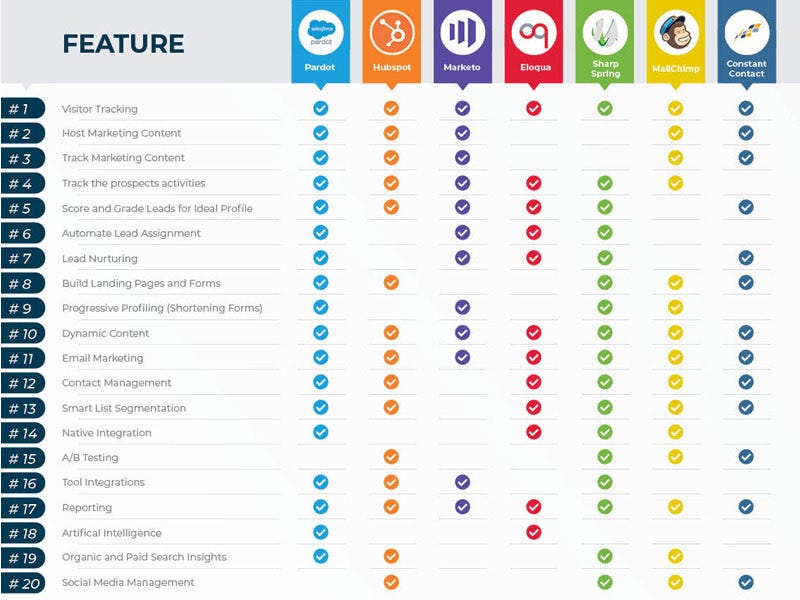
Top marketing automation platforms include HubSpot, Marketo, and Mailchimp. These tools streamline marketing tasks and improve efficiency.
Marketing automation platforms have revolutionized the way businesses approach their marketing strategies. HubSpot offers an all-in-one solution with robust features for lead generation and customer relationship management. Marketo stands out with its advanced analytics and scalable solutions, making it ideal for larger enterprises.
Mailchimp excels in email marketing and is user-friendly for small businesses. These platforms help businesses automate repetitive tasks, personalize customer interactions, and track campaign performance. By leveraging these tools, companies can enhance their marketing efforts, save time, and ultimately drive better results. Choosing the right platform depends on your specific needs and business goals.
Credit: interruptmedia.com
Introduction To Marketing Automation
Marketing automation helps businesses streamline their marketing efforts. It uses software to automate repetitive tasks. This saves time and ensures consistency. Below, we dive into what marketing automation is and how it benefits businesses.
What Is Marketing Automation?
Marketing automation uses technology to manage marketing processes. It automates tasks such as emails, social media posts, and ad campaigns. This allows marketers to focus on strategy and creativity.
Automation platforms use data to personalize marketing efforts. They track customer behavior and tailor messages accordingly. This improves engagement and conversion rates.
Benefits For Businesses
Businesses gain several benefits from marketing automation. Here are some key advantages:
- Time-saving: Automates repetitive tasks, freeing up valuable time.
- Consistency: Ensures consistent messaging across all channels.
- Personalization: Customizes messages based on customer data.
- Improved ROI: Increases efficiency, leading to better returns on investment.
- Analytics: Provides detailed reports to measure campaign success.
Marketing automation platforms come with various features. Here’s a comparison of some popular platforms:
Platform Key Features Pricing HubSpot Email marketing, CRM, analytics Starts at $50/month Marketo Lead management, analytics, sales integration Contact for pricing ActiveCampaign Email automation, CRM, messaging Starts at $9/month
Key Features To Look For
When selecting the best marketing automation platform, it’s crucial to understand the key features that drive success. This section breaks down the most important functionalities, ensuring you choose a platform that meets your needs. Here are the key features to look for:
Email Campaign Management
Email Campaign Management is vital for any marketing automation platform. Look for features like:
- Drag-and-drop builders for easy email creation.
- Personalization options to tailor messages to individual recipients.
- Automated follow-up sequences based on user actions.
- A/B testing to optimize email content.
- Advanced segmentation to target specific audience groups.
Lead Scoring
Lead Scoring helps prioritize potential customers based on their actions and behaviors. Key features include:
- Customizable scoring models to rank leads effectively.
- Real-time tracking and updates of lead scores.
- Integration with CRM systems for seamless data flow.
- Automated lead nurturing based on scores.
- Visual dashboards for easy score monitoring.
Analytics And Reporting
Analytics and Reporting are crucial for measuring the success of your campaigns. Essential features include:
Feature Description Real-time Analytics Monitor campaign performance as it happens. Custom Reports Create tailored reports for different metrics. Visual Data Representation Use charts and graphs for easy data understanding. ROI Tracking Measure the return on investment of campaigns. Integration Capabilities Sync data with other marketing tools.
Hubspot
HubSpot is a popular marketing automation platform. It offers a wide range of tools. These tools help businesses grow and thrive online. Let’s dive into what makes HubSpot special.
Overview
HubSpot is an all-in-one marketing software. It includes CRM, email marketing, and social media tools. HubSpot helps manage customer interactions and marketing campaigns. It is user-friendly and suitable for businesses of all sizes.
Pros And Cons
Pros Cons
- Easy to use interface
- Comprehensive CRM integration
- Powerful email marketing tools
- Great for lead generation
- Can be expensive for small businesses
- Limited customization options
- Some features are complex to set up
Pricing
HubSpot offers various pricing plans. These plans cater to different business needs. Below is a summary:
- Free Plan: Basic CRM and marketing tools
- Starter Plan: $50/month — Advanced features
- Professional Plan: $800/month — Full suite of tools
- Enterprise Plan: $3,200/month — Extensive features for large businesses
Each plan includes different levels of support and features. Choose the plan that fits your business needs best.
Marketo
Marketo is a powerful marketing automation platform designed to help businesses streamline their marketing efforts. It offers a range of features to automate and measure marketing tasks, ultimately improving efficiency and driving better results.
Overview
Marketo is renowned for its comprehensive suite of marketing tools. It supports email marketing, lead management, consumer marketing, customer base marketing, and mobile marketing. This platform is suitable for businesses of all sizes and industries. Marketo integrates seamlessly with other popular tools like Salesforce, ensuring cohesive marketing and sales processes.
Pros And Cons
Pros Cons
- Comprehensive marketing automation tools
- Excellent integration capabilities
- Advanced analytics and reporting
- User-friendly interface
- High cost for small businesses
- Steep learning curve for beginners
- Occasional bugs and glitches
- Customer support can be slow
Pricing
Marketo offers flexible pricing plans tailored to different business needs. Pricing is based on the number of users and contacts. Here’s a quick overview of their plans:
- Basic: Ideal for small businesses, this plan includes core features and starts at $1,195 per month.
- Standard: Suitable for growing businesses, this plan offers advanced features and starts at $1,995 per month.
- Enterprise: Designed for large enterprises, this plan includes all features and custom pricing based on specific needs.
Marketo also offers a free trial, allowing businesses to explore the platform before committing. This helps in assessing the suitability of the platform for their unique requirements.
Activecampaign
ActiveCampaign is a top marketing automation platform. It offers a range of features that help businesses streamline their marketing efforts. From email marketing to customer relationship management (CRM), ActiveCampaign covers it all.
Overview
ActiveCampaign is known for its powerful automation capabilities. It allows businesses to create custom workflows that automate tasks like sending emails, updating contact information, and more. The platform also offers a robust CRM system, making it easy to manage customer relationships.
Pros And Cons
Pros Cons
- Powerful automation features
- Integrated CRM system
- Easy-to-use interface
- Excellent customer support
- Pricing can be high for small businesses
- Complex setup for beginners
- Limited free plan
Pricing
ActiveCampaign offers various pricing plans to fit different needs.
- Lite: Starts at $9/month
- Plus: Starts at $49/month
- Professional: Starts at $129/month
- Enterprise: Custom pricing available
The pricing is based on the number of contacts. The more contacts you have, the higher the price.
Credit: interruptmedia.com
Pardot
Pardot is a powerful marketing automation platform by Salesforce. It helps businesses automate marketing tasks and manage email campaigns. Pardot offers advanced features for lead generation, nurturing, and scoring.
Overview
Pardot is designed for B2B marketing automation. It integrates seamlessly with Salesforce CRM, making data management easier. The platform offers tools for creating and managing email campaigns, landing pages, and forms. It also provides detailed analytics to track campaign performance.
Pros And Cons
Pros Cons
- Seamless Salesforce integration
- Advanced lead scoring
- Comprehensive analytics
- Customizable email templates
- High cost
- Steep learning curve
- Limited A/B testing
- Complex setup
Pricing
Pardot offers several pricing plans. These are based on the number of users and features. Here is a quick overview:
- Growth Plan: $1,250/month for up to 10,000 contacts
- Plus Plan: $2,500/month for up to 10,000 contacts
- Advanced Plan: $4,000/month for up to 10,000 contacts
- Premium Plan: $15,000/month for up to 75,000 contacts
Each plan includes different levels of features and support. Businesses can choose based on their needs and budget.
Comparing Platforms
Choosing the right marketing automation platform is crucial. It can enhance your marketing efforts significantly. To help you decide, we’ve compared top platforms based on features, price, and user reviews.
Feature Comparison
Different platforms offer various features. Here’s a comparison table to help you understand what each platform provides:
Platform Email Marketing Social Media Integration Analytics Customer Support Platform A Yes Yes Advanced 24/7 Platform B Yes No Basic Business Hours Platform C Yes Yes Intermediate 24/7
Price Comparison
Budget is always a concern. Here’s a quick look at the pricing for each platform:
- Platform A: $50/month
- Platform B: $30/month
- Platform C: $40/month
User Reviews
User reviews provide insights into the actual performance. Here are some key points from users:
- Platform A: Users love its advanced analytics.
- Platform B: Users find it affordable but lacking features.
- Platform C: Users appreciate its balance of features and price.
Choosing The Right Platform
Marketing automation can revolutionize your business. Choosing the right platform is crucial. The perfect fit meets your unique needs. It aligns with your budget and scales with your growth. Below, we explore essential factors in choosing a marketing automation platform.
Business Needs
Identify your business needs first. What do you want the platform to do? Here are some common requirements:
- Email marketing
- Social media management
- Lead nurturing
- Analytics and reporting
Ensure the platform supports these tasks. This alignment is essential for success.
Budget Considerations
Budget is a vital factor. Determine your budget before choosing. Here are some cost factors:
Feature Price Range Basic Plan $20 — $100 per month Advanced Features $100 — $500 per month Enterprise Solutions $500+ per month
Choose a plan that fits your budget. Do not overspend on unnecessary features.
Scalability
Your business will grow. The platform should grow too. Check if the platform scales easily. Consider these factors:
- Number of users
- Volume of data
- Complexity of campaigns
A scalable platform supports long-term growth. This ensures sustained success.
Implementation Tips
Implementing a marketing automation platform can be a game-changer for your business. However, proper implementation is crucial to ensure success. Below are some key tips to help you effectively implement a marketing automation platform.
Onboarding Process
The onboarding process sets the stage for success. Here are key steps:
- Define Goals: Clearly outline what you want to achieve.
- Choose the Right Platform: Select a platform that meets your needs.
- Data Migration: Ensure all data is accurately transferred.
- Initial Setup: Configure the platform to align with your goals.
Team Training
Proper training ensures your team can fully utilize the platform. Steps to consider:
- Identify Key Users: Determine who will use the platform daily.
- Provide Training: Offer comprehensive training sessions.
- Create Documentation: Develop easy-to-follow guides and manuals.
- Ongoing Support: Ensure continuous support and training updates.
Measuring Success
Measuring success helps you understand the effectiveness of your implementation. Follow these tips:
Step Action 1 Set Metrics: Define KPIs to measure success. 2 Monitor Performance: Regularly check platform analytics. 3 Adjust Strategies: Optimize based on data insights. 4 Report Findings: Share results with your team.
Implementing a marketing automation platform involves careful planning, training, and measurement. Follow these tips to ensure a successful implementation.

Credit: www.linkedin.com
Frequently Asked Questions
What Is A Marketing Automation Platform?
A marketing automation platform is software that automates marketing tasks. It helps streamline workflows, manage campaigns, and analyze data.
Why Use Marketing Automation Platforms?
Using marketing automation platforms saves time and increases efficiency. They help target the right audience and optimize marketing efforts.
Which Marketing Automation Platforms Are Best?
Top marketing automation platforms include HubSpot, Marketo, and ActiveCampaign. Each offers unique features for different business needs.
How Do Marketing Automation Tools Improve Roi?
Marketing automation tools improve ROI by targeting the right audience. They also automate repetitive tasks and provide insightful analytics.
Conclusion
Choosing the right marketing automation platform can boost your business efficiency and growth. Evaluate your needs and budget. Consider features, user experience, and integrations. The right tool can streamline your marketing efforts. Start exploring options today and elevate your marketing strategy.
Make informed decisions for better results and success.