
SaaS marketing automation streamlines marketing tasks and enhances efficiency. It helps businesses nurture leads and boost conversions.
SaaS marketing automation leverages software to automate repetitive marketing activities. These include email campaigns, social media posting, and ad management. Automation tools save time and resources, allowing teams to focus on strategy and creativity. They provide valuable insights through analytics, helping marketers optimize their efforts.
Personalized customer journeys become easier to manage, leading to higher engagement rates. Automated lead scoring and nurturing ensure potential customers receive timely and relevant information. Marketing automation platforms integrate with CRM systems, creating a seamless data flow. This integration enhances customer relationship management and sales processes. Overall, SaaS marketing automation maximizes marketing efficiency and drives business growth.
Introduction To Saas Marketing Automation
SaaS Marketing Automation is a game-changer for businesses. It helps companies streamline their marketing efforts. This makes their campaigns more effective and efficient.
What Is Saas?
SaaS stands for Software as a Service. It is a software distribution model. Companies host applications on the cloud. Users access these applications via the internet.
SaaS eliminates the need for physical installation. It provides easy access to the latest updates. Popular examples of SaaS include Google Workspace, Slack, and Salesforce.
With SaaS, businesses save on hardware costs. They also benefit from scalable solutions. This makes SaaS a preferred choice for many companies.
Importance Of Marketing Automation
Marketing Automation is essential for modern businesses. It uses software to automate repetitive marketing tasks. These tasks include email campaigns, social media posting, and ad management.
Marketing Automation helps in segmenting audiences. It personalizes marketing messages. This increases engagement and conversion rates.
Here are some key benefits of Marketing Automation:
- Saves time and resources
- Improves customer experience
- Enhances lead nurturing
- Provides valuable insights and analytics
By combining SaaS and Marketing Automation, businesses can achieve remarkable results. They can focus on strategic tasks while the software handles routine activities.
Key Benefits
Marketing automation for SaaS brings numerous advantages. These benefits help businesses streamline operations, engage customers, and boost efficiency. Let’s explore the key benefits of SaaS marketing automation.
Increased Efficiency
SaaS marketing automation increases efficiency in several ways:
- Automated Workflows: Repetitive tasks are automated, saving valuable time.
- Task Management: Teams can manage tasks better with automation.
- Resource Allocation: Resources are used more effectively.
This leads to faster processes and improved productivity.
Enhanced Customer Engagement
Marketing automation enhances customer engagement through:
- Personalized Communication: Messages are tailored to individual needs.
- Targeted Campaigns: Campaigns reach the right audience.
- Timely Responses: Automated responses ensure quick customer interaction.
This results in stronger customer relationships and higher satisfaction.
Essential Features
Marketing automation for SaaS businesses is a game-changer. It streamlines operations and enhances customer engagement. Understanding the essential features of SaaS marketing automation can help your business grow exponentially.
Email Campaigns
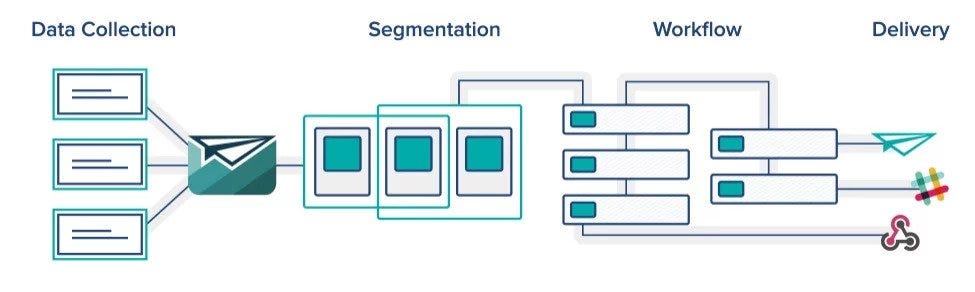
Email campaigns are vital for SaaS marketing. They help in nurturing leads and retaining customers. Automated email campaigns can be personalized based on user behavior. This increases engagement and conversion rates.
- Personalization: Tailor emails to individual user preferences.
- Segmentation: Divide your audience based on specific criteria.
- Automated Triggers: Send emails automatically based on user actions.
Using these features, you can keep your audience engaged and informed. This helps in building trust and loyalty among your users.
Lead Scoring
Lead scoring is essential for identifying potential customers. It helps in prioritizing leads based on their likelihood to convert. This ensures your sales team focuses on the most promising leads.
Criteria Score Website Visits 10 Email Opens 5 Form Submissions 20
Lead scoring helps in streamlining your sales process. By assigning scores to different actions, you can identify the most engaged leads. This allows your team to focus on those who are more likely to convert.
Incorporating these essential features into your SaaS marketing automation can significantly improve your business performance. By focusing on email campaigns and lead scoring, you can boost engagement and conversion rates effectively.
Credit: getuplead.com
Choosing The Right Tools
Choosing the right tools for SaaS marketing automation is crucial. The right tools can streamline processes and maximize efficiency. This section will cover key considerations for selecting the best tools for your needs.
Budget Considerations
Before choosing a tool, evaluate your budget. Understanding your budget helps narrow down options. Consider both initial costs and ongoing fees. Some tools offer tiered pricing based on features. Ensure the tool fits within your financial plans.
Here is a simple table to help you compare:
Tool Initial Cost Monthly Fee Features Tool A $500 $50 Basic Automation, Reporting Tool B $1000 $100 Advanced Analytics, CRM Integration Tool C $200 $25 Email Campaigns, Lead Scoring
Scalability
Scalability is another critical factor. Your business will grow, and your tool should grow with it. Choose tools that can handle increased data and users. This ensures long-term efficiency.
Here are some points to consider:
- Can the tool handle more users?
- Does it offer advanced features as you scale?
- Is the customer support adequate for a growing business?
Make sure the tool can support your future needs. This saves time and money in the long run.
/media/a76c8b0388b8ba85cea36fb2884f4c2f
Implementation Strategies
SaaS Marketing Automation Implementation Strategies
Implementing SaaS Marketing Automation can elevate your business. It streamlines tasks, enhances efficiency, and provides valuable insights. Here, we explore key strategies for a successful implementation.
Team Training
Training your team is essential. They need to understand the new tools. Arrange workshops and training sessions. Provide easy-to-follow guides and tutorials. Continuous learning is crucial. Encourage your team to ask questions. Make sure everyone is comfortable with the new system.
Training Method Description Workshops Interactive sessions for hands-on experience. Online Tutorials Step-by-step guides available anytime. Q&A Sessions Opportunities to ask questions and get answers.
Integration With Existing Systems
Integrating with existing systems is vital. It ensures a smooth transition. Identify all systems that need integration. Create a plan for integration. Use API and custom connectors if necessary.
- List all current systems.
- Check compatibility with the new software.
- Develop integration steps.
- Test the integration thoroughly.
Ensure data is not lost. Monitor the integration process. Fix issues quickly. This ensures seamless operations.
Common Challenges
Marketing automation for SaaS companies can be very effective. But, it comes with its own set of challenges. Businesses often face hurdles such as data management issues and user adoption difficulties. Addressing these challenges is key to successful implementation.
Data Management Issues
Data management is a crucial aspect of marketing automation. Many companies struggle with data quality and data integration. Poor data quality can lead to inaccurate targeting.
Integrating data from different sources is another challenge. This can cause inconsistencies. Ensuring data is clean and well-integrated is vital.
Issue Impact Data Quality Inaccurate targeting Data Integration Inconsistencies
User Adoption
Getting team members to adopt new tools can be difficult. Some users may resist change. Training is essential to ensure everyone is on board.
Here are some tips to improve user adoption:
- Provide comprehensive training.
- Highlight the benefits of automation.
- Offer continuous support.
Tracking user engagement can also be helpful. This allows you to identify and assist those struggling.
Measuring Success
Measuring the success of your SaaS Marketing Automation efforts is crucial. It helps you understand what works and what needs improvement. Focusing on key metrics ensures your marketing strategies are effective and your resources are well-spent.
Key Performance Indicators
Key Performance Indicators (KPIs) are essential for tracking your progress. They provide measurable values that show how well your marketing efforts are performing. Here are some important KPIs for SaaS Marketing Automation:
- Customer Acquisition Cost (CAC): The total cost of acquiring a new customer.
- Customer Lifetime Value (CLV): The total revenue expected from a customer over their lifespan.
- Conversion Rate: The percentage of visitors who become paying customers.
- Churn Rate: The percentage of customers who stop using your service.
- Engagement Rate: How actively customers interact with your content.
Roi Calculation
Calculating the Return on Investment (ROI) is vital. It helps you determine the profitability of your marketing efforts. Use this simple formula to calculate ROI:
ROI = (Revenue - Cost) / Cost 100Here’s a table for better understanding:
Metric Description Formula Revenue Total income generated from marketing efforts — Cost Total expenditure on marketing efforts — ROI Return on Investment (Revenue — Cost) / Cost 100
Tracking these KPIs and calculating ROI helps you make informed decisions. It ensures your SaaS Marketing Automation strategies are efficient and effective.
Credit: userpilot.com
Future Trends
Future Trends in SaaS Marketing Automation
The future of SaaS marketing automation is bright. Exciting trends are transforming the industry. These trends promise to make marketing smarter and more personalized.
Ai And Machine Learning
Artificial Intelligence (AI) and Machine Learning (ML) are game-changers. They automate repetitive tasks. This increases efficiency and saves time.
AI can analyze vast amounts of data quickly. It provides insights that humans might miss. This data helps make better marketing decisions.
Machine Learning improves over time. It learns from data patterns. This leads to more accurate predictions and better targeting.
Feature Benefit Data Analysis Quick and accurate insights Task Automation Saves time and resources Predictive Analytics Better targeting and personalization
Personalization
Personalization is key to effective marketing. Customers expect personalized experiences. They want content that speaks to their needs.
Personalization uses data to tailor messages. It makes marketing more relevant. This increases customer engagement and satisfaction.
There are several ways to achieve personalization:
- Segmentation: Group customers based on behavior.
- Dynamic Content: Change content based on user data.
- Behavioral Triggers: Send messages based on actions.
Personalization improves customer loyalty. It leads to higher conversion rates. It’s a win-win for both businesses and customers.
Case Studies
Exploring real-world examples can help understand the impact of SaaS marketing automation. Case studies show how businesses have successfully implemented these tools. They also provide insights into challenges and solutions.
Successful Implementations
Several companies have used SaaS marketing automation with great success. Below are a few examples:
Company Challenge Solution Results Company A Low email open rates Automated personalized emails Increased open rates by 30% Company B High customer churn Automated onboarding process Reduced churn by 20%
Lessons Learned
From these implementations, several lessons emerged:
- Personalization is key to engaging customers.
- Automation saves time and reduces errors.
- Data insights help improve marketing strategies.
Here are detailed lessons from specific cases:
- Company A: Personalized emails can significantly boost open rates.
- Company B: An automated onboarding process improves customer retention.
These lessons highlight the importance of customized solutions. They also show how automation can streamline processes and drive growth.
Credit: www.custify.com
Frequently Asked Questions
What Is Saas Marketing Automation?
SaaS marketing automation uses software to automate repetitive marketing tasks. It helps businesses increase efficiency, track customer behavior, and improve lead generation.
How Does Marketing Automation Benefit Saas Companies?
Marketing automation streamlines processes, saving time and resources. It enhances customer targeting, boosts lead nurturing, and improves conversion rates.
What Features Should A Saas Marketing Automation Tool Have?
A good tool should offer email marketing, lead scoring, analytics, and CRM integration. It should also provide customizable workflows.
How Can Saas Companies Improve Lead Nurturing?
Use personalized email campaigns, track user behavior, and segment leads. This helps in delivering relevant content to potential customers.
Conclusion
Harnessing SaaS marketing automation can revolutionize your business. It streamlines processes, enhances customer engagement, and boosts conversions. Implementing these tools will save time and increase efficiency. Embrace the power of automation to stay competitive and drive growth. Your marketing efforts will see significant improvements with the right automation strategies.