
Content marketing automation streamlines the creation, scheduling, and distribution of content. It enhances efficiency and ensures consistent engagement with your audience.
Content marketing automation leverages technology to simplify repetitive tasks in content creation and distribution. It helps businesses maintain a consistent online presence without overburdening their teams. Automated tools can schedule posts, curate content, and analyze performance metrics. This allows marketers to focus on strategy and creativity.
Automation also ensures timely delivery of content, enhancing audience engagement. Utilizing these tools effectively can save time and improve ROI. With the growing demand for content, automation has become essential for scalable and efficient marketing strategies. It helps businesses stay competitive in the digital landscape.
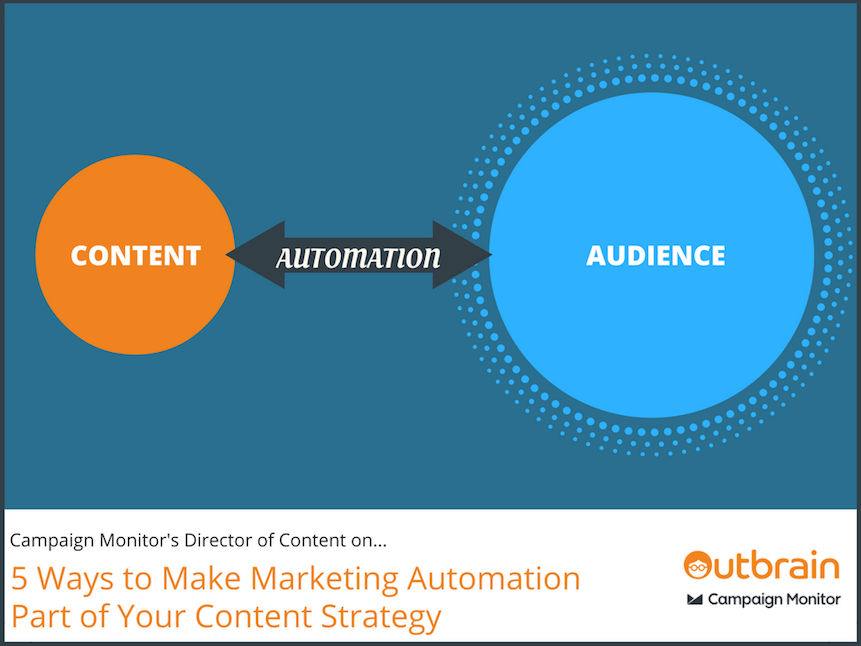
Introduction To Content Marketing Automation
Content marketing automation helps businesses save time and effort. It uses technology to streamline content creation and distribution. This guide introduces you to its basics and benefits.
What Is Content Marketing Automation?
Content marketing automation involves using tools to automate tasks. These tasks include scheduling posts, analyzing data, and managing workflows. Automation tools can handle repetitive tasks. This allows marketers to focus on strategy and creativity.
Examples of these tools include:
- Social media schedulers
- Email marketing platforms
- Content management systems
- Analytics software
Automation tools can integrate with various platforms. This integration ensures a seamless content marketing process.
Importance Of Automation In Content Marketing
Automation brings many benefits to content marketing. Here are the key advantages:
Benefit Description Time-Saving Automation handles repetitive tasks, saving valuable time. Consistency Automated tools ensure content is posted regularly. Data-Driven Insights Automation tools provide analytics to refine strategies. Scalability Automation allows businesses to scale their efforts easily.
Using automation, marketers can achieve more with less effort. Automation tools also help maintain a consistent brand voice. This leads to better engagement and customer trust.
In summary, content marketing automation is essential. It offers efficiency, consistency, and valuable insights. By integrating these tools, businesses can enhance their content marketing strategies.
Key Benefits
Content marketing automation offers a range of benefits. It helps businesses streamline their content strategies. Here, we will discuss the key benefits of using content marketing automation.
Increased Efficiency
Automation tools save time. They handle repetitive tasks like scheduling posts. This allows your team to focus on creative work. Efficiency increases when less time is spent on routine jobs.
- Automated content distribution
- Streamlined workflow
- Consistent posting schedules
Automated tools can also analyze data. This helps in understanding audience behavior. Quick data analysis supports better decision-making.
Enhanced Roi
Content marketing automation improves return on investment (ROI). Automated tools help in targeting the right audience. This leads to higher engagement rates.
Better engagement means more conversions. This directly impacts your revenue. Automation tools also reduce labor costs. You need fewer people to manage your content.
Benefit Impact Targeted Audience Higher Engagement Data Analysis Informed Decisions Reduced Labor Costs Better ROI
Automation tools often include analytics features. These features track key performance metrics. Using this data, you can fine-tune your strategies. This leads to continuous improvement.
Essential Tools
Content marketing automation helps streamline repetitive tasks. Using the right tools can boost efficiency and save time. Here are some essential tools for content marketing automation.
Top Automation Platforms
Several platforms offer comprehensive automation features. These tools help manage content creation, distribution, and analytics.
- HubSpot: Known for its robust CRM and marketing tools.
- Marketo: Offers advanced automation and lead management.
- Buffer: Simplifies social media scheduling and analytics.
- Hootsuite: Manages social media campaigns across multiple platforms.
- CoSchedule: Combines project management with marketing automation.
Choosing The Right Tool
Choosing the right tool depends on your specific needs. Consider the following factors:
Factor Description Features Ensure the tool offers the features you need. Usability Choose a user-friendly platform. Integration Check if it integrates with your existing tools. Cost Consider your budget and the tool’s pricing plans.
Using the right content marketing automation tools can revolutionize your workflow. Select tools that align with your goals and requirements.
Implementation Strategies
Content marketing automation can save time and improve efficiency. To succeed, you need a solid implementation strategy. This section covers key strategies: planning your automation and setting up workflows.
Planning Your Automation
Proper planning ensures your automation efforts are effective. Start by defining your goals. What do you want to achieve with automation? Common goals include increasing engagement, boosting conversions, and improving content distribution.
Next, identify your target audience. Knowing who you are targeting helps tailor your content. Use data and analytics to understand your audience’s preferences and behaviors.
Create a content calendar. This keeps your content organized and ensures consistency. A calendar helps track key dates, deadlines, and topics. You can use tools like Google Calendar or Trello for this.
Plan your content types. Decide on the mix of blog posts, social media updates, emails, and videos. Diversifying content types keeps your audience engaged.
Setting Up Workflows
Workflows automate repetitive tasks, freeing up time for creative work. Start by mapping out your current processes. Identify tasks that can be automated. Common tasks include social media posting, email campaigns, and content scheduling.
Use tools like HubSpot, Mailchimp, or Buffer to set up your workflows. These tools offer templates for various tasks, making setup easier. Customize the templates to fit your specific needs.
Set triggers and actions within your workflows. For instance, a new blog post can trigger a series of social media posts. Or, a sign-up form submission can trigger a welcome email series.
Test your workflows. Run a few test scenarios to ensure everything works smoothly. Adjust as needed based on your test results.
Monitor and optimize your workflows regularly. Use analytics to track performance and make improvements. This helps ensure your automation efforts continue to deliver results.
Here’s a simple table to summarize key points:
Step Action 1 Define Goals 2 Identify Target Audience 3 Create Content Calendar 4 Plan Content Types 5 Map Out Processes 6 Set Up Workflows 7 Test Workflows 8 Monitor and Optimize
Content Creation Automation
Content creation automation is changing the way businesses produce content. This involves using technology to create content quickly and efficiently. By automating content creation, companies can save time and resources.
Automated Content Ideas
Generating content ideas can be a challenge. Automated tools can help brainstorm new topics. These tools analyze data and trends to suggest relevant topics. This ensures your content is always fresh and engaging.
- Analyze audience behavior
- Track industry trends
- Generate topic ideas based on keywords
Ai-powered Writing Tools
AI-powered writing tools are becoming popular. These tools can write articles, blogs, and social media posts. AI tools understand language and context, making content creation faster.
Tool Features Grammarly Grammar check, style suggestions Jasper Blog writing, SEO optimization Copy.ai Ad copy, social media posts
Using these tools, businesses can maintain a consistent content schedule. They can also improve the quality of their content. AI-powered tools make content creation less time-consuming and more efficient.
Distribution And Scheduling
Content marketing automation helps in distributing and scheduling content efficiently. This ensures your audience receives the right content at the right time. Automation tools can manage and optimize your content distribution across various channels.
Social Media Automation
Social media automation tools simplify the process of sharing content on platforms. These tools allow you to schedule posts in advance. This ensures a consistent presence and engagement with your audience.
Some popular social media automation tools include:
- Hootsuite
- Buffer
- Sprout Social
These tools also offer analytics to measure the performance of your posts. You can refine your strategy based on this data.
Email Campaign Automation
Email campaign automation tools help in sending targeted emails to your subscribers. These tools can schedule emails based on user behavior and preferences. This ensures your emails are relevant and timely.
Some popular email campaign automation tools include:
- Mailchimp
- Constant Contact
- SendinBlue
Email automation tools often include features like segmentation and A/B testing. These features help in optimizing your email campaigns for better engagement.
Analytics And Optimization
Content marketing automation is not just about creating and distributing content. It also involves analyzing data to improve your strategy. With proper analytics and optimization, you can track performance and refine your content. This ensures your audience remains engaged and your goals are met.
Tracking Performance
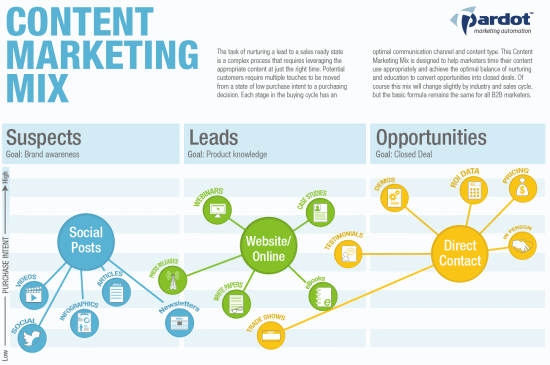
To understand how your content performs, you need to track key metrics. These metrics include views, clicks, shares, and conversions. Use tools like Google Analytics to collect this data. This helps you see which content resonates with your audience.
Metric Description Views Number of times content is seen Clicks Number of times links are clicked Shares Number of times content is shared Conversions Number of desired actions taken
Optimizing Content Strategy
With performance data, you can optimize your content strategy. Identify which content performs best. Focus on creating similar content. Use A/B testing to see what works better. Test different headlines, images, and formats.
- Identify high-performing content
- Create more of what works
- Use A/B testing
- Test different elements
Regularly update your strategy based on your findings. This keeps your content fresh and engaging. Remember, the goal is to keep your audience interested.
Challenges And Solutions
Content marketing automation can save time and boost productivity. But it comes with unique challenges. Understanding these challenges and solutions is key to success.
Common Pitfalls
Many face common pitfalls in content marketing automation. Here are the top issues:
- Lack of Personalization: Automated content can feel generic. This may fail to engage the audience.
- Over-automation: Too much automation can make content feel robotic. This reduces human touch.
- Poor Data Management: Inaccurate data can lead to irrelevant content. This affects user experience.
- Inconsistent Messaging: Automated systems may send conflicting messages. This confuses the audience.
Best Practices
Follow these best practices to overcome challenges:
- Segment Your Audience: Group your audience by interests. This ensures relevant content.
- Use Dynamic Content: Customize your content for different users. This enhances personalization.
- Regularly Update Your Data: Keep your data fresh. This avoids sending outdated information.
- Test and Optimize: Run A/B tests on your content. This helps find the best performing options.
- Maintain a Human Touch: Use automation tools wisely. Ensure your content still feels human.
Here is a quick comparison table for better understanding:
Challenges Solutions Lack of Personalization Use Dynamic Content Over-automation Maintain a Human Touch Poor Data Management Regularly Update Your Data Inconsistent Messaging Test and Optimize
Future Trends
The future of content marketing automation is evolving rapidly. Brands must adapt to stay competitive. New technologies are shaping how we create and distribute content. Below, we explore key trends driving this transformation.
Ai And Machine Learning
Artificial Intelligence (AI) and Machine Learning (ML) are revolutionizing content marketing. They help automate repetitive tasks and provide data-driven insights. Brands can now analyze vast amounts of data quickly. This leads to more effective content strategies.
AI tools can generate content, optimize headlines, and even suggest topics. ML algorithms can predict user behavior. This allows for more targeted content delivery. The combination of AI and ML enhances efficiency and accuracy.
Here are some benefits of using AI and ML in content marketing:
- Automated content creation
- Improved data analysis
- Enhanced targeting
- Optimized content performance
Personalization At Scale
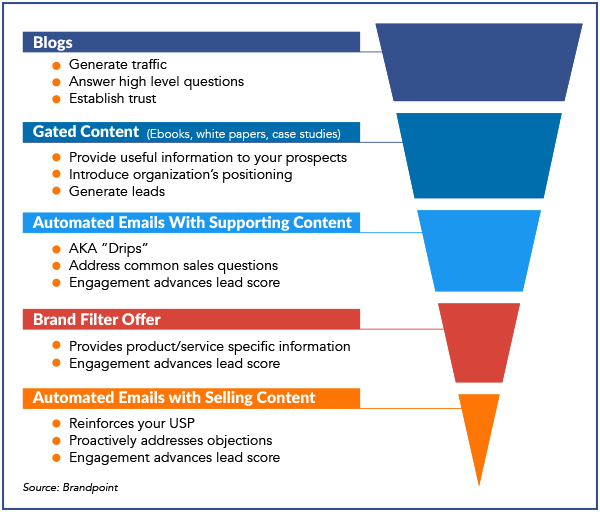
Personalization is key to engaging users. With content marketing automation, personalization is now possible at scale. Brands can tailor content to individual user preferences. This increases engagement and conversion rates.
Automation tools can segment audiences based on behavior and demographics. This allows brands to deliver personalized messages. For instance, email marketing platforms can send personalized emails to each user. This improves open and click-through rates.
Consider the following personalization techniques:
- Dynamic content insertion
- Behavioral segmentation
- Custom content recommendations
Personalization not only improves user experience but also builds brand loyalty. Automated tools make it easier to achieve this at scale.
Frequently Asked Questions
What Is Content Marketing Automation?
Content marketing automation uses software to automate repetitive marketing tasks. It improves efficiency, consistency, and scalability. This allows marketers to focus on strategy.
How Does Content Marketing Automation Work?
Content marketing automation works by using tools to schedule, publish, and analyze content. It streamlines workflows, saves time, and enhances targeting.
Why Use Content Marketing Automation Tools?
Content marketing automation tools save time and increase efficiency. They ensure consistency and improve audience engagement by delivering timely, relevant content.
Can Small Businesses Benefit From Content Marketing Automation?
Yes, small businesses can benefit greatly. Automation tools help them manage limited resources effectively. They allow small businesses to compete with larger companies.
Conclusion
Embracing content marketing automation can save time and boost efficiency. It allows for consistent, high-quality content delivery. By leveraging automation tools, businesses can focus on creative strategies. This approach enhances audience engagement and drives growth. Start integrating automation into your content marketing strategy today for better results.